Flowers
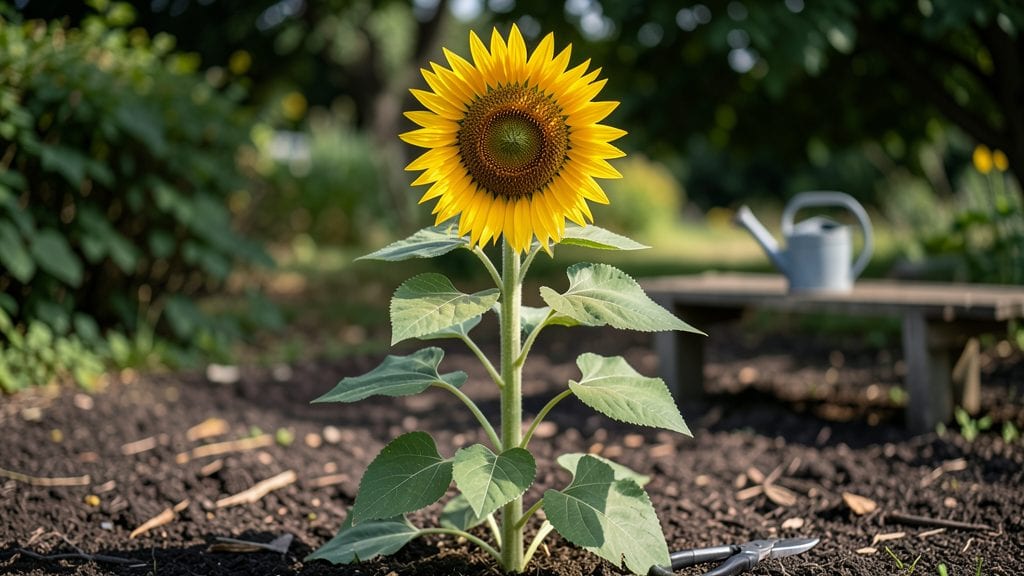
The oil sunflower plant transforms your garden into a compact, high-yielding oil factory—no towering stems required. 🌻 These aren’t your grandma’s cut flowers; they’re bushy, efficient powerhouses that thrive in small spaces and deliver seeds packed with oil.
I learned the hard way that ornamental varieties won’t cut it; you need the right cultivars like 'Pervenets' or 'Mira' for that thick, sturdy stem and plump seed heads.
The secret to success starts with soil—well-draining, slightly alkaline, and rich in organic matter. Plant seeds 1 inch deep after the last frost, spacing them 18-24 inches apart to give those stems room to thicken.
Water consistently (but not soggy) and watch as the plants shoot up 5-6 feet tall in just 80-100 days. The key difference from ornamental sunflowers? These varieties focus energy on stem strength, not just height.
By midsummer, you’ll be harvesting stems with 3-4 inches of diameter—thick enough to process for oil. The seed heads stay compact, making them easier to strip by hand or machine.
Unlike ornamental types that flop under rain, these hold their shape, and the seeds stay plump for maximum oil content. This isn’t just gardening; it’s growing your own renewable resource.
Works in zones 3-10, though southern growers may need shade cloth in peak heat. The same techniques apply whether you’re growing for personal use or scaling up. Here’s how to get those stems standing tall and productive from day one.
📚 In This Guide
- What you need
- Instructions
- Tips and common mistakes
- Wrapping up and next steps
What you need
- ● Seeds: High-quality, non-GMO oil sunflower seeds (e.g., Helianthus annuus varieties like ‘Mammoth’ or ‘Russian Giant’). Buy 10–20 seeds per plant for optimal yield.
- ● Potting Mix: Well-draining, nutrient-rich soil blend (e.g., 50% garden soil + 30% compost + 20% perlite). Avoid heavy clay.
- ● Containers: For container gardening: Large pots (minimum 12–18 inches deep) with drainage holes.
- ● For in-ground planting: Loosen soil to 12–18 inches deep and amend with compost.
- ● Fertilizer: Balanced, slow-release fertilizer (e.g., 10-10-10 NPK) or organic options like fish emulsion.
- ● Watering Can: With a fine rose nozzle for gentle hydration.
- ● Hand Trowel (for planting seeds and transplanting seedlings).
- ● Pruners (sterilized, for trimming dead foliage or harvesting stems).
- ● Garden Gloves (to protect hands from thorns and soil).
- ● Measuring Tape (to track plant height and spacing).
- ○ Sunlight Meter (Optional) – Ensures your plants get 6–8 hours of full sun daily.
- ● Climate: Oil sunflowers thrive in USDA Zones 2–11. Start indoors 4–6 weeks before last frost if in cooler zones.
- ● Space: Allow 18–24 inches between plants for optimal airflow and growth.
- ● Patience: From seed to harvest, expect 90–120 days (varies by variety).
Step-by-step instructions for growing oil sunflowers with bushy stems
Here's how to cultivate sunflowers with thick, sturdy stems perfect for oil extraction—no floppy stalks in sight.
🌱 Step 1: Select and Prepare the Right Seeds and Soil
Choose oil-specific sunflower varieties like 'NuSun' or 'SunOil 55'—these are bred for high oil content and strong stems. Plant seeds ½ inch deep in well-draining soil with a pH of 6.0-7.0. I always mix in 2 cups of compost per square foot to ensure nutrient-rich growth from the start.
Sunflowers thrive in loose, fertile soil, so avoid compacted garden beds. If your soil is heavy clay, amend it with 1 part sand to 3 parts native soil before planting. The goal is soil that crumbles easily when squeezed—like a damp sponge—not a hard brick.
💧 Step 2: Water Deeply and Maintain Consistent Moisture
Water seeds immediately after planting, then keep the soil evenly moist but not soggy until germination. You'll see sprouts in 7-14 days, but don't let the soil dry out completely during this time—sunflower seeds need steady moisture to break through the soil.
Once seedlings emerge, water 1 inch per week, splitting it into two sessions: a deep soak in the morning and a lighter drink in the evening. This prevents shallow roots and encourages deep growth. You'll know moisture is right when the top 1 inch of soil feels cool to touch—not bone-dry or muddy.
☀️ Step 3: Provide Full Sun and Space for Bushy Growth
Sunflowers demand 6-8 hours of direct sunlight daily—no compromise here. Plant them 18-24 inches apart in rows spaced 2-3 feet apart to allow air circulation and prevent fungal diseases. I always stake taller varieties with 3-foot bamboo stakes at planting to support their weight later.
If you notice stems leaning or stretching toward the light, your plants need more sun. Rotate pots or move containers ¼ turn weekly to ensure even growth. Bushy stems develop when plants receive consistent light from all directions—no weak, spindly growth here.
✂️ Step 4: Prune Strategically for Thick, Sturdy Stems
When plants reach 12 inches tall, pinch off the main growing tip just above a set of leaves. This encourages lateral branching and thicker stems. I also remove any weak or leggy side shoots to redirect energy into the strongest stems.
Stop pruning once buds form—you want those flowers to develop for oil production. Watch for yellowing lower leaves; these are normal as the plant matures, but remove them to prevent pests. The goal is to keep the plant focused on growing thick, oil-rich stems, not wasting energy on unnecessary foliage.
🌿 Step 5: Harvest at Peak Oil Maturity
Harvest stems when the back of the flower head turns yellow and the seeds feel plump but not brittle. Cut stems 6 inches below the flower head with clean shears to avoid damaging the base. Bundle 4-5 stems together and hang them upside down in a dry, dark place for 2-3 weeks to fully dry.
Once dry, strip the seeds by hand and press them in a cold press to extract oil. The thicker the stem at harvest, the higher the oil yield. Store dried stems in a breathable burlap sack until processing—this preserves oil quality and prevents mold.
Tips & tricks for growing sturdy oil sunflower stems
Sunflower stems need the right care to develop thick, oil-rich stalks—here's how to avoid common pitfalls and maximize your harvest.
Soil Preparation Secret: Before planting, test your soil's pH and adjust if needed. A pH meter costs about $20 and makes all the difference—aim for that 6.0-7.0 range. I've seen sunflowers struggle in acidic soil, so if your test shows pH below 6.0, mix in 1 cup of lime per square foot and re-test after 2 weeks. The right pH ensures your plants can absorb all the nutrients from that 2 cups of compost per square foot you're already adding.
Watering Wisdom: The 1 inch per week guideline works for average conditions, but adjust based on your climate. In hot summers, you might need 1.5 inches weekly, while cooler weather may only require ½ inch. I check moisture by feeling the top inch of soil—if it's dry, water; if it's damp, wait. Overwatering causes root rot, which weakens those stems we're trying to strengthen.
Pruning Precision: When you pinch off the main growing tip at 12 inches, do it just above a set of leaves where two leaves meet the stem. This is where new side shoots will form. I use clean, sharp scissors to avoid damaging the plant. For extra support, tie the main stem to your 3-foot bamboo stake at this stage—it prevents leaning and encourages vertical growth.
Harvest Timing: The 2-3 weeks drying time is crucial for oil quality. Hang bundles in a place with good airflow but no direct sunlight—basements or garages work well. Check weekly for mold (gray fuzz) and remove any affected stems immediately. Once completely dry, the stems should snap cleanly when bent—this confirms they're ready for processing and maximum oil yield.
Pro Tips for Oil Sunflower Plant
- Sunflower stems need the right care to develop thick, oil-rich stalks—here's how to avoid common pitfalls and maximize your harvest.
- Soil Preparation Secret: Before planting, test your soil's pH and adjust if needed.
- Watering Wisdom: The 1 inch per week guideline works for average conditions, but adjust based on your climate.
Frequently asked questions
Got questions about growing oil sunflower plants? You’re not alone!
Whether you're a first-time gardener or a seasoned green thumb, these answers will help you grow lush, high-yield sunflowers packed with oil-rich seeds. Let’s dive in!
How long does it take for oil sunflower plants to mature?
Oil sunflowers typically mature in 85 to 110 days after planting, depending on the variety and growing conditions. Early-maturing varieties (like Sunflower 'Mordovik') can be ready in as little as 70 days, while larger varieties may take longer. Check your seed packet for specific timelines!
What’s the best temperature for growing oil sunflowers?
Sunflowers thrive in warm weather—ideal soil temperatures for germination are 50–60°F (10–15°C), and they love full sun with temps between 70–85°F (21–29°C) during the day. They’re not frost-tolerant, so wait until all danger of frost has passed before planting outdoors.
Can I grow oil sunflowers in containers?
Yes! Oil sunflowers adapt well to containers if you choose dwarf or semi-dwarf varieties (like 'Teddy Bear' or 'Autumn Beauty'). Use a pot at least 12–18 inches deep with drainage holes and fill it with well-draining soil. Just ensure the container gets 6+ hours of sunlight daily.
What pests or diseases should I watch for in oil sunflowers?
Common pests include aphids, sunflower moths, and beetles, while diseases like powdery mildew or rust can occur in humid conditions. Preventative tips: Rotate crops yearly, remove debris, and use neem oil or insecticidal soap if needed. Monitor leaves for early signs of damage!
How do I speed up germination for oil sunflower seeds?
Soak seeds in warm water for 12–24 hours before planting to soften the outer shell and boost germination. Plant seeds ½–1 inch deep in warm soil and keep them consistently moist (not soggy). A heat mat can also help if your climate is cool—aim for 70–75°F (21–24°C) soil temps.
Wrapping up and next steps
Growing oil sunflowers is a rewarding journey that blends beauty with practicality—whether you’re chasing bushy stems for bouquets or nutrient-rich oil for your kitchen. With the right soil, sunlight, and a little patience, you can enjoy a year-round harvest that thrives in containers or garden beds alike. 🌻
Now that you’re armed with planting hacks and answers to common questions, it’s time to roll up your sleeves!
Start small—try a single pot or a patch of soil—and let your green thumb shine. Next up: Track your sunflower’s growth, experiment with companion plants, and soon, you’ll be harvesting golden blooms (and maybe even oil!) that’ll impress everyone. Happy planting! 🌱✨