Planting
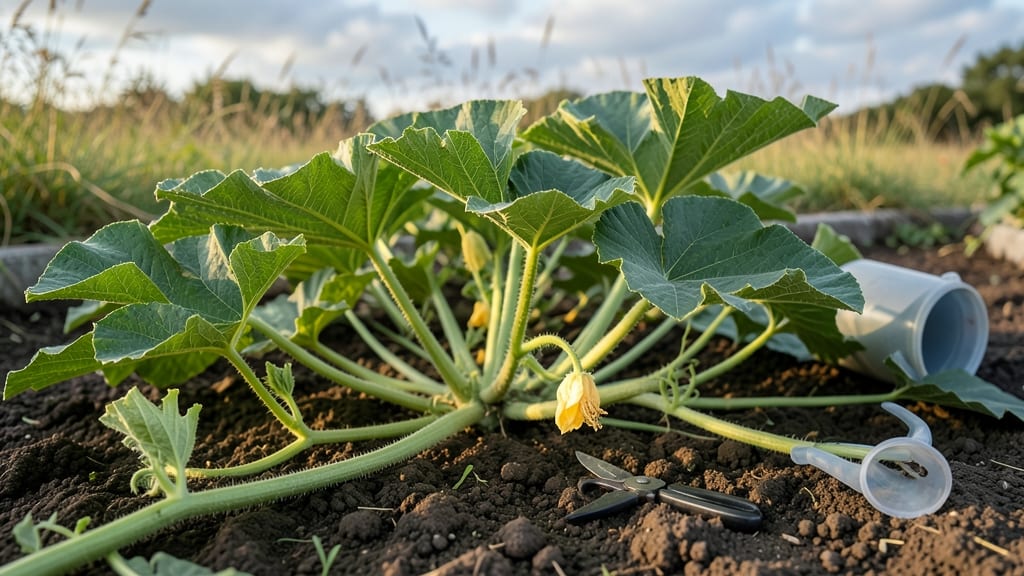
The pumpkin plant beginning might seem intimidating, but growing from seed is simpler than you’d expect—even for first-timers. 🌱 The key is warm soil, good drainage, and a spot with plenty of elbow room for those sprawling vines.
I’ve grown pumpkins in my backyard for years, and the secret isn’t fancy equipment—it’s knowing when and how to plant them right.
You’ll need a sunny patch of soil that warms up to at least 60°F, seeds (or seedlings if you’re in a hurry), and a little patience. Most pumpkin varieties start in late spring, once frost is long gone, and they thrive in loose, well-draining soil.
If your soil feels heavy or compacted, mix in some compost to give those roots the space they need to stretch.
By the time summer rolls around, you’ll have lush vines with giant leaves and the promise of pumpkins—some as small as a softball, others big enough to carve. The first harvests come in late summer, and the satisfaction of growing something this impressive from a tiny seed?
Unmatched. Here’s how to get those seeds in the ground without overcomplicating it.
This method works for both small ornamental varieties and giant pie pumpkins, whether you’re planting in rows or scattered across a raised bed. The only rule? Give them room—they’ll take it. Let’s get those seeds sprouting!
📚 In This Guide
- What you need
- Instructions
- Tips and common mistakes
- Wrapping up and next steps
What you need
- ● Pumpkin seeds: 3–5 seeds per plant (or 1–2 seeds per hill if planting in groups). Choose heirloom or hybrid varieties based on your preference.
- ● Growing space: Outdoor garden bed (minimum 50–100 sq. ft. per plant for vining varieties like Cinderella or Howden).
- ● OR large containers (at least 5 gallons, with drainage holes) for patio growing.
- ● Well-draining soil: Mix compost (1 part) with garden soil (3 parts) for nutrient-rich beds. Aim for a pH of 6.0–6.8.
- ● Watering can or hose: With a gentle spray nozzle to avoid disturbing seedlings.
- ● Fertilizer: Balanced 10-10-10 or organic options like compost tea or fish emulsion (apply at planting and mid-season).
- ● Garden trowel or transplanter: For digging holes (depth: 1 inch, spacing: 2–3 feet apart).
- ● Mulch (straw or black plastic): To retain moisture and suppress weeds. Pro tip: Black plastic can warm soil faster in cooler climates! 🌡️
- ○ Trellis or cage (optional): For bush varieties like Jack Be Little (height: 3–4 feet).
- ● Row cover or frost cloth: For early planting in cold regions (remove once soil warms to 70°F+).
- ● Pruning shears: To trim excess vines or dead leaves (sanitize with rubbing alcohol).
- ● Gloves & knee pads: Because gardening is way more fun when you’re comfy! 😎
- ● Sunlight: Full sun (6–8 hours daily)—pumpkins are sun worshippers! ☀️
- ● Warm soil: Wait until nighttime temps stay above 50°F (use a soil thermometer if unsure).
- ● Patience: Germination takes 7–14 days—hydrate seeds to speed it up!
- ● Space planning: Account for mature vine spread (10–20 feet for giant varieties like Atlantic Giant).
Simple steps to start your pumpkin plants
Here’s how to get your pumpkin vines off to a strong start with minimal fuss.
🌱 Step 1: Prepare the Soil for Planting
Pumpkins thrive in loose, nutrient-rich soil that drains well. Before planting, loosen the top 12 inches of soil with a garden fork or tiller. This breaks up compaction and lets roots spread easily. Mix in 2 inches of compost or well-rotted manure to give your plants a nutrient boost right from the start.
Pumpkins need space—each plant should have at least 50 square feet to sprawl. If you’re planting multiple seeds, space them 4-5 feet apart in all directions. Avoid planting in low spots where water pools, as soggy soil invites rot. You’ll know the soil is ready when it crumbles easily between your fingers without sticking.
🌱 Step 2: Plant Seeds at the Right Depth and Time
Wait until the soil temperature reaches at least 60°F—use a soil thermometer to check. Pumpkin seeds germinate best in warm soil, and planting too early can leave them sitting cold and damp for weeks. Plant seeds 1 inch deep, spacing them 2-3 feet apart if you plan to thin later. You can plant 4 seeds per spot and thin to the strongest seedling once they sprout.
Press the soil gently around the seeds to ensure good contact, then water lightly to settle the soil without displacing them. Keep the soil consistently moist but not soggy until germination, which typically takes 7-14 days. You’ll see the first green shoots when the soil feels damp but not waterlogged.
☀️ Step 3: Provide Sun and Support for Healthy Growth
Pumpkins need full sun—at least 6-8 hours daily. Choose a location with no afternoon shade, as even partial shade reduces vine growth and fruit production. Once seedlings have 3-4 true leaves (not just the initial seed leaves), thin to the strongest plant per spot. If you’re growing in containers, use large pots (at least 5 gallons) with sturdy supports for vines to climb.
Water at the base of the plant, keeping the soil evenly moist but never waterlogged. Mulch around the base with 2-3 inches of straw or shredded leaves to retain moisture and suppress weeds. You’ll notice vines growing rapidly once temperatures stay above 70°F, so keep an eye out for pests like squash bugs and treat them early with neem oil or row covers.
Tips & tricks for perfect pumpkin plant beginnings
Getting your pumpkin plants off to the right start is all about the details—here's how to avoid common pitfalls while keeping things simple.
The Soil Factor: Don't just loosen that top 12 inches—really work the soil until it feels like crumbly cake batter. I've seen too many gardeners rush this step and end up with compacted roots later. If your soil feels sticky or clumps together, mix in an extra inch of compost to improve drainage. The goal is soil that's airy enough for roots to spread like a happy spiderweb.
Timing Secret: Those 6-8 hours of sunlight aren't just about warmth—they're about consistent energy. I always scout locations in late afternoon when the sun is lower. If you notice shadows creeping in after 4pm, that spot won't cut it. Morning sun alone won't give your vines the boost they need, so choose locations that get the full sun treatment all day.
Germination Wisdom: The 7-14 day germination window can feel like an eternity, but patience pays off. I keep a small notebook by my garden to track which seeds sprout first—this helps me predict when to expect my first green shoots. If your soil feels dry while waiting, water gently with a spray bottle to keep seeds moist without disturbing them. And here's a pro move: place a clear plastic dome or even a cut-off plastic bottle over seeds until they sprout to trap warmth and moisture.
Pest Prevention: Once temperatures hit that magical 70°F threshold, pests wake up too. I've had squash bugs ruin entire patches, so I start my pest defense early. Sprinkle diatomaceous earth around planting areas before seeds even sprout—it's non-toxic but deadly to soft-bodied insects. And when those first true leaves appear, give them a quick neem oil rinse as a preventative measure. Trust me, an ounce of prevention beats a pound of cure when it comes to pumpkin plants.
Pro Tips for Pumpkin Plant Beginning
- Getting your pumpkin plants off to the right start is all about the details—here's how to avoid common pitfalls while...
- The Soil Factor: Don't just loosen that top 12 inches—really work the soil until it feels like crumbly cake batter. I...
- Timing Secret: Those 6-8 hours of sunlight aren't just about warmth—they're about consistent energy. I always scout l...
Frequently asked questions
Got questions about starting your pumpkin plant journey? You’re not alone! Here are some of the most common queries—plus quick, actionable answers to get you growing with confidence.
How long does it take for pumpkin seeds to sprout?
Most pumpkin seeds sprout within 7–14 days after planting, depending on soil warmth (ideal temp: 70–90°F). If your seeds don’t sprout in 2 weeks, gently check for moisture and consider replanting. Patience is key—some varieties (like Jack Be Little) germinate faster than giant types!
When is the best time to plant pumpkin seeds outdoors?
Plant pumpkin seeds 2–3 weeks after your last frost date when soil is at least 60°F. Use a soil thermometer to confirm—cool soil delays germination. For warmer climates, start in late spring (April–May). Pro tip: If frost threatens, use row covers or wait until nighttime temps stay above 50°F.
Can I grow pumpkins in containers? What size pot do I need?
Yes! Pumpkins thrive in containers if you choose bush varieties (like Sugar Pie) and use pots 5+ gallons with drainage holes. Vining types (e.g., Howden) need 10+ gallons and trellises. Place pots in full sun (6+ hours/day) and fertilize weekly with a balanced 10-10-10 mix after flowering.
What should I do if my pumpkin seedlings look weak or yellow?
Weak or yellow seedlings often signal overwatering, poor drainage, or pests. First, check soil moisture—it should be damp but not soggy. If aphids or squash bugs appear, spray with neem oil or insecticidal soap. For nutrient issues, amend soil with compost or use a starter fertilizer (like fish emulsion).
Do pumpkin plants need a lot of space? How far apart should they be?
Spacing depends on the variety:
- Bush types: 3–4 feet apart (great for small gardens).
- Vining types: 4–6 feet apart, with 50+ sq ft per plant for giant pumpkins.
- Hill method: Mound soil around plants to improve drainage and airflow.
Wrapping up and next steps
Starting your pumpkin plant journey is easier than you think!
With the right seeds, soil, and a little patience, you’ll soon be on your way to a thriving vine and a bountiful harvest. Remember, every expert gardener began with their first seed—so embrace the process, learn from each step, and enjoy the magic of watching nature grow.
Now that you’re ready to plant, take the next step: mark your calendar for your first watering and soil check in a week. Happy gardening—your future pumpkins are waiting! 🌱🎃