Pruning
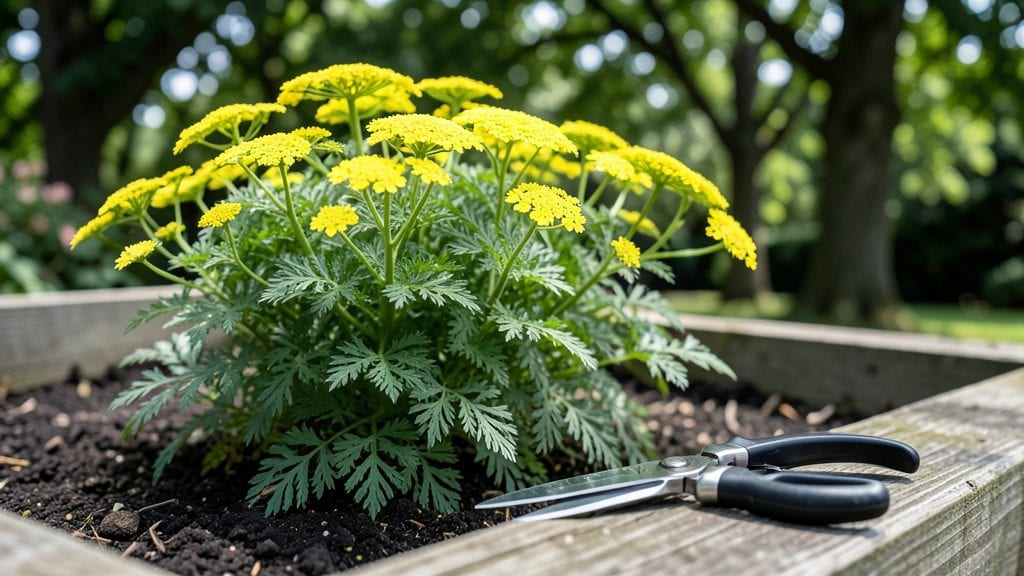
Pruning yarrow plants transforms them from scraggly survivors into vibrant, bushy powerhouses that bloom nonstop from spring to frost. 🌿 I learned this the hard way after letting my first patch grow wild—until I discovered the three strategic cuts that trigger dense foliage and endless flowers.
The key isn’t just when to cut, but how to shape the plant so it rewards you with thicker stems and brighter blooms every season.
You’ll need just three tools: sharp pruning shears for clean cuts, gloves to handle the rough stems, and a clear day when the plant’s at peak energy—typically late winter or early spring before new growth starts.
The process takes 10 minutes per plant, but the payoff is immediate: pruned yarrow grows back with thicker stems and more blooms than unpruned varieties. For medicinal yarrow, this also preserves the plant’s potency by encouraging robust leaf production.
After pruning, your yarrow will respond with new shoots within 2-3 weeks, and the first flush of blooms arrives 4-6 weeks later—often in colors more intense than before.
The secret lies in cutting back one-third of the plant at a time, always above a leaf node, and avoiding the temptation to prune too late in the season. This method works for both ornamental varieties like ‘Moonshine’ and medicinal types, keeping them productive for years with minimal effort.
Whether you’re growing yarrow for its drought-resistant beauty or its herbal properties, this approach ensures your plants stay healthy, compact, and blooming longer than ever. The same technique applies to container-grown yarrow or large garden patches—just adjust the timing slightly for shorter days in northern climates.
Ready to turn your yarrow from wild to wonderful?
📚 In This Guide
- What you need
- Instructions
- Tips and common mistakes
- Wrapping up and next steps
What you need
- ● Pruning shears: Bypass pruners (sharp, clean, and sturdy) to make precise cuts. Avoid dull tools—they crush stems!
- ● Hand pruners: Smaller, for trimming finer stems or tight spaces. Look for ergonomic grips for comfort.
- ○ Gloves: Heavy-duty gardening gloves (optional but recommended) to protect hands from thorns and dirt.
- ● Disinfectant: Rubbing alcohol (70%+ isopropyl) or a garden disinfectant to clean tools between cuts and prevent disease spread.
- ● Buckets or bags: A 5-gallon bucket or heavy-duty trash bags for collecting pruned stems and debris.
- ● Watering can or hose: For hydrating plants before and after pruning (especially in dry conditions).
- ● Compost bin: To recycle pruned yarrow stems into nutrient-rich compost.
- ● Plant markers: If you’re dividing or relocating cuttings, label them to track growth.
- ● Knee pads: For comfort if you’re kneeling frequently in the garden.
- ● Sun hat/sunscreen: Especially if pruning on a sunny day—yarrow thrives in full sun!
Step-by-Step method for pruning yarrow plants
Here’s how I transform leggy yarrow into a lush, flowering powerhouse—no guesswork, just results.
✂️ Step 1: Deadhead Spent Blooms in Early Summer
Wait until 10-15% of flowers in a cluster have faded—usually 6-8 weeks after initial bloom. This timing prevents seed formation while leaving enough energy for new growth. Grab your pruners and snip just above the first set of healthy leaves below the spent bloom. You’ll see fresh side shoots emerge within 2-3 weeks.
I always work on a dry morning when dew has evaporated. Wet foliage can harbor fungal spores, and yarrow’s ferny leaves trap moisture. Cut at a 45-degree angle to increase surface area for faster healing. If a stem looks woody or hollow, skip it—it’s past its prime.
✂️ Step 2: Renew Stems Mid-Season for Compact Growth
Around late July or early August, when your yarrow’s stems have grown 12-18 inches tall, it’s time for a hard prune. Using clean, sharp pruners, cut back ⅓ of the plant’s height—aim for 6-8 inches above the ground. This shock might look drastic, but yarrow rebounds faster than most perennials.
Here’s the thing—yarrow stores energy in its roots. The key is to leave at least 2-3 inches of healthy foliage to keep photosynthesis going. After pruning, water deeply to help the plant recover. You’ll notice new shoots pushing through in 3-4 weeks, often with more vibrant colors.
✂️ Step 3: Lightly Trim for Winter Prep in Fall
When temperatures drop below 50°F at night and flowers have fully faded, give your yarrow one last trim. Cut back half the plant’s height—this prevents flopping and makes cleanup easier. Leave the cut stems in place; they’ll provide winter interest and protect the crown from harsh winds.
I never remove all the foliage in fall—yarrow’s leaves insulate the crown and break down naturally, enriching the soil. If you’re in a colder zone, mulch lightly with 2 inches of shredded leaves or straw to protect the base. By spring, your yarrow will burst back with fresh growth, often 20% bushier than before.
⏰ Step 4: Maintain Year-Round with Minimal Effort
After your fall prune, yarrow needs almost no attention until next spring. In early March, remove any dead or broken stems, but leave the rest—this gives pollinators early-season nectar. If your plant looks overgrown by late May, give it a light haircut to encourage another flush of blooms.
Real talk: Yarrow’s hardy, but even perennials benefit from a little TLC. I’ve seen neglected clumps multiply into 5-foot-wide patches by dividing them every 3-4 years. Just dig up the root ball in early spring, split it, and replant sections elsewhere in your garden.
Tips & tricks for perfect pruning yarrow plants
A few strategic moves can transform your yarrow from straggly to spectacular—here's how to maximize every prune.
Timing is Everything: The 6-8 week window after initial bloom for Step 1 is crucial—this prevents seed formation while allowing enough energy for new growth. I've seen yarrow that was deadheaded too early bolt to seed, wasting all that potential for fresh blooms. Mark your calendar or set a phone reminder to catch this window every year. The 2-3 week recovery period afterward is when you'll see the magic happen with those fresh side shoots.
Cutting Technique Matters: That 45-degree angle in Step 1 isn't just for show—it increases surface area for faster healing and prevents water pooling that could lead to rot. Use clean, sharp pruners every time; dull blades crush stems and create entry points for disease. For Step 2's hard prune, aim for 6-8 inches above ground—this height leaves enough foliage for photosynthesis while encouraging bushier growth. I've made the mistake of cutting too close and watched yarrow struggle to recover.
Seasonal Strategy: The fall trim in Step 3 serves multiple purposes: it prevents flopping, provides winter interest, and protects the crown. When temperatures drop below 50°F, yarrow's growth naturally slows, making this the perfect time for maintenance. Leave those cut stems standing—they'll create a beautiful winter silhouette while insulating the crown. In colder zones, that 2-inch mulch layer can make the difference between winter survival and spring loss.
Year-Round Maintenance: That early March cleanup in Step 4 isn't just about aesthetics—it removes dead stems that could harbor pests while leaving living foliage to feed pollinators. The late May light trim encourages another flush of blooms, extending your yarrow's season. And when you're ready to divide those 5-foot-wide patches every 3-4 years, do it in early spring when new growth begins—this gives divided sections the whole growing season to establish.
Pro Tips for Pruning Yarrow Plants
- A few strategic moves can transform your yarrow from straggly to spectacular—here's how to maximize every prune.
- Timing is Everything: The 6-8 week window after initial bloom for Step 1 is crucial—this prevents seed formation while allowing enough energy for new growth.
- Cutting Technique Matters: That 45-degree angle in Step 1 isn't just for show—it increases surface area for faster healing and prevents water pooling that could lead to rot.
Frequently asked questions
Got questions about keeping your yarrow plants happy and blooming? Here are some of the most common concerns—plus straightforward answers to help you prune like a pro!
When is the best time to prune yarrow for continuous blooms?
Prune yarrow after the first flush of flowers in spring (around May-June) to encourage a second bloom. For year-round color, give it a light trim in late summer (August-September) too. Avoid cutting back to the ground—leave at least 4-6 inches of growth to protect the crown.
Can I prune yarrow in winter? What if it looks dead?
Wait until early spring (when new growth appears) to prune. Yarrow often looks dormant in winter, but it’s not dead! Cut back any brown, woody stems in late winter, but avoid heavy pruning—yarrow stores energy underground. If you’re unsure, wait until you see fresh green shoots.
Why did my yarrow stop blooming after pruning?
Yarrow may skip blooms if pruned too late (after August) or cut back too aggressively. Always leave some foliage to photosynthesize. Over-fertilizing can also reduce flowers—yarrow thrives in lean soil. Try a light trim in early summer instead and monitor for pests (like aphids) that stress plants.
Do I need to sterilize my pruners between cuts?
Yes! Sterilizing pruners with rubbing alcohol or a 10% bleach solution prevents spreading diseases (like powdery mildew) between plants. Wipe blades before and after pruning yarrow, especially if it’s in a shared garden bed. A quick rinse with water works in a pinch, but alcohol is best for long-term health.
What’s the difference between pruning and harvesting yarrow?
Pruning removes spent or overgrown stems to shape the plant, while harvesting focuses on selective cutting (usually flowers or young leaves). For pruning, cut ⅓ of the plant’s height; for harvesting, snip individual stems just above a leaf node. Avoid harvesting more than ⅓ of the plant at once to keep it robust.
Wrapping up and next steps
Pruning yarrow isn’t just about tidying up—it’s your secret to vibrant, long-lasting blooms and a healthier plant! By following these three simple steps, you’ll encourage bushier growth, prevent flopping, and even extend your yarrow’s flowering season.
Whether you’re a seasoned gardener or just starting out, this low-maintenance task will give you serious results with minimal effort.
Ready to transform your garden? Grab your shears and give it a try—your yarrow will thank you with bold, cheerful blooms all year. For even more tips, check out our guide on when to prune yarrow for maximum impact!