
Pruning
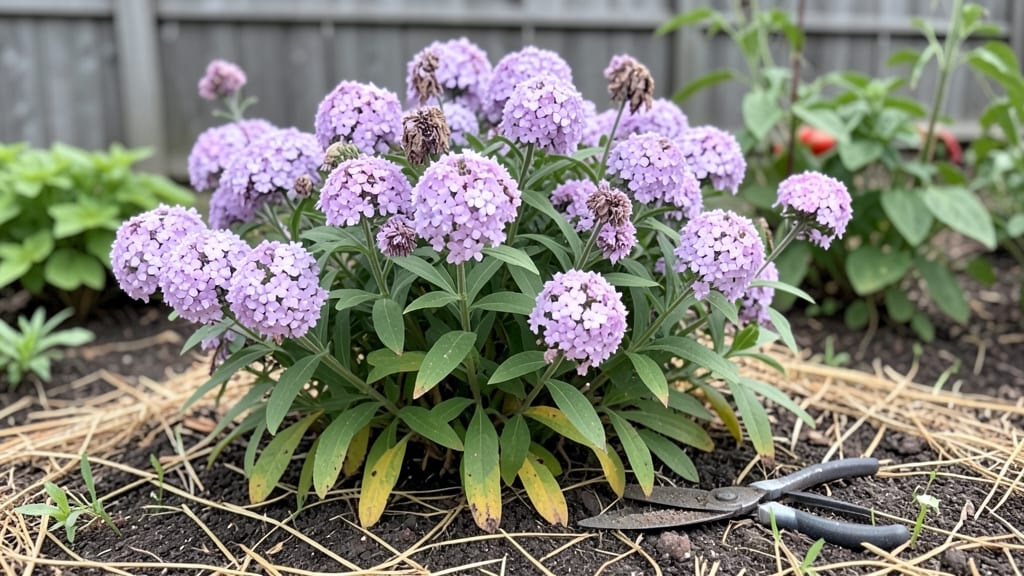
Pruning phlox plants isn’t just about cutting back—it’s the secret to phlox that blooms so hard your neighbors will ask for cuttings. 🌸 I learned the hard way that skipping these seasonal trims means leggy stems and half the flowers by midsummer.
The right cuts at the right time transform phlox from a one-time summer show into a nonstop blooming machine that lasts from early June through frost.
You only need three tools: sharp bypass pruners, clean garden shears, and a pair of gloves to protect your hands from those thorny stems.
The real magic happens in three timed cuts—early spring to shape the plant, right after the first flush of blooms to encourage more flowers, and a final cleanup in late fall to prevent disease.
Most gardeners mess up by pruning too late or too aggressively, but these simple steps keep phlox healthy and productive for decades.
After just one season of proper pruning, you’ll see thicker, bushier plants with flowers packed so tightly they look like a cloud of color. The stems stay strong, the blooms last longer, and you’ll have cuttings to share with friends—something that never happens with neglected phlox.
This isn’t just about more flowers; it’s about phlox that performs like the showstopper it’s meant to be.
Works for both garden phlox and creeping phlox, in full sun or partial shade. The same principles apply whether you’re dealing with a single clump or a whole border.
Let’s get those shears sharp and turn your phlox into the star of your garden—no more hiding in the back of the border.
📚 In This Guide
- What you need
- Instructions
- Tips and common mistakes
- Wrapping up and next steps
What you need
- ● Bypass pruners: Sharp, clean pruners with 4- to 6-inch blades for precise cuts (avoid anvil pruners—they crush stems). Quantity: 1 pair.
- ● Hand pruners or loppers: For thicker stems (up to ½-inch diameter). Quantity: 1 pair.
- ● Garden shears: For shaping foliage or deadheading. Quantity: 1 pair.
- ● Disinfectant (rubbing alcohol or 10% bleach solution): To sterilize tools between cuts and prevent disease spread.
- ● Garden gloves: Heavy-duty gloves to protect against thorns and dirt.
- ○ Garden twine or plant ties: Optional but helpful for supporting stems after pruning.
- ● Compost bin or bag: For disposing of pruned material (avoid composting diseased foliage).
- ● Hedge shears: For large phlox borders or formal hedges.
- ● Knee pad or stool: For comfort during extended pruning sessions.
- ● Plant marker flags: To label sections if dividing or replanting.
- ● Pruning saw: For stubborn, woody stems (rare for phlox but useful in neglected plants).
How to prune phlox for long-lasting, lush blooms
Here's the simple seasonal approach I use to keep my phlox blooming from spring through fall.
✂️ Step 1: First Trim After Spring Blooms (Early Summer)
Wait until your phlox finishes its first flush of flowers—you'll know it's time when about 75% of blooms have faded. Grab your clean, sharp pruners and cut back each stem by one-third, right above a set of healthy leaves. This encourages a second round of blooms by redirecting energy to new growth.
I always work on a dry morning because wet stems splatter and can spread disease. Remove any dead, damaged, or crossing stems first—they compete with healthy growth. Think of this as giving your phlox a fresh start for its next performance.
✂️ Step 2: Mid-Season Maintenance (Late Summer)
About 6-8 weeks after the first trim, do a light cleanup when you notice stems getting leggy or crowded. Cut back any stems that have finished blooming or look tired, but leave the current blooms intact. This keeps your phlox looking tidy while still producing flowers.
This is also when I remove any spent flower heads that might seed—unless you want volunteer plants popping up everywhere. I pinch off just above the next leaf set, using my fingers for small stems and pruners for thicker growth. The goal is to maintain shape without over-pruning.
✂️ Step 3: Final Cutback for Winter (Late Fall)
After your phlox's last bloom cycle, cut back all stems to 2-3 inches above the ground. This prevents disease from overwintering in dead stems and makes spring cleanup easier. I do this after the first hard frost when the foliage naturally turns brown.
Don't worry about being too aggressive—phlox is tough. Just avoid cutting into old wood (the bare, woody stems at the base). This final trim also helps protect against winter burn by reducing surface area exposed to cold winds.
🌱 Step 4: Spring Prep (Early Spring)
In early spring, before new growth appears, do a final check for any dead or diseased stems and remove them completely. This is your last chance to tidy up before the growing season kicks in. I also add a light layer of mulch to protect new shoots from temperature swings.
Watch for new growth emerging from the base—this is your signal that winter's over. Once you see 2-3 inches of fresh green growth, hold off on any more pruning. The plant will tell you when it's ready for the season with its own vibrant display of leaves.
Tips & tricks for perfect phlox pruning
Here's what I've learned after years of keeping my phlox blooming all season long—these little tricks make all the difference.
Timing is Everything: The key to that one-third cut in Step 1 is waiting until 75% of blooms have faded, not when they start wilting. I've learned the hard way that cutting too early means losing potential second blooms. Watch for the flowers to naturally drop their petals—this is your plant's way of saying "I'm done with this round!"
Tool Prep Matters: Always disinfect your pruners with rubbing alcohol before each use, especially when working with wet stems in Step 1. I keep a small bottle in my gardening tool caddy—it only takes a few seconds but prevents spreading fungal diseases between plants. Sharp tools also make cleaner cuts that heal faster.
Seasonal Shape Strategy: In Step 2, when doing your mid-season maintenance, think of your phlox as a natural vase shape. Remove stems from the outside first to maintain that classic rounded form. This creates more air circulation, which prevents mildew and keeps your plant looking full and healthy.
Winter Prep Secret: For the final cutback in Step 3, I always leave just 2-3 inches of stem—this might seem drastic, but it's actually protective. The remaining stem helps insulate the crown from winter winds, while still allowing sunlight to reach new growth in spring. It's like giving your plant a cozy blanket!
Pro Tips for Pruning Phlox Plants
- Here's what I've learned after years of keeping my phlox blooming all season long—these little tricks make all the difference.
- Timing is Everything: The key to that one-third cut in Step 1 is waiting until 75% of blooms have faded, not when they start wilting.
- Tool Prep Matters: Always disinfect your pruners with rubbing alcohol before each use, especially when working with wet stems in Step 1.
Frequently asked questions
Got questions about pruning phlox? You’re not alone!
Here are the most common concerns—and quick, expert-backed answers to keep your phlox thriving.
When is the best time to prune phlox for maximum blooms?
Prune after the first flush of blooms (late spring/early summer) and again in early fall. Avoid pruning in late summer—this cuts back blooming time. For panicle phlox, a light trim in early spring also helps shape the plant.
How much should I cut back phlox plants?
For garden phlox, trim back by one-third to one-half after blooming. For panicle phlox, reduce stems by half in early spring. Never remove more than 50% of the plant at once—this stresses the roots.
What if I prune at the wrong time?
Pruning too late (after July) can delay or reduce next year’s blooms. If you accidentally prune early spring growth, don’t panic—just focus on after-bloom trims and fertilize lightly to encourage regrowth.
Can I prune phlox to encourage bushier growth?
Yes! Pinch back the tips of new growth in early summer (when stems are 4–6 inches tall) to promote branching. This creates a fuller, more compact plant with more blooms over time.
What if my phlox doesn’t bloom after pruning?
Check for these issues:
- Over-pruning: Leave at least 6–12 inches of stem.
- Poor soil: Amend with compost or a balanced fertilizer.
- Shade: Phlox needs 6+ hours of sun daily.
- Disease: Fungal issues (like powdery mildew) can stunt blooms.
Wrapping up and next steps
Pruning your phlox plants doesn’t have to be intimidating—just a little seasonal care can transform your garden into a nonstop bloom factory! 🌸 Whether you’re trimming after winter’s chill, shaping for summer’s peak, or tidying up for fall, each step keeps your plants healthy and vibrant.
With the right tools, timing, and technique, you’ll enjoy stunning, long-lasting flowers year after year.
Ready to give your phlox the TLC it deserves? Grab your pruners and start your next trim today—your garden will thank you with a burst of color! 🌿 For even more tips, check out our full pruning guide or join a gardening community to share your progress.