Pruning
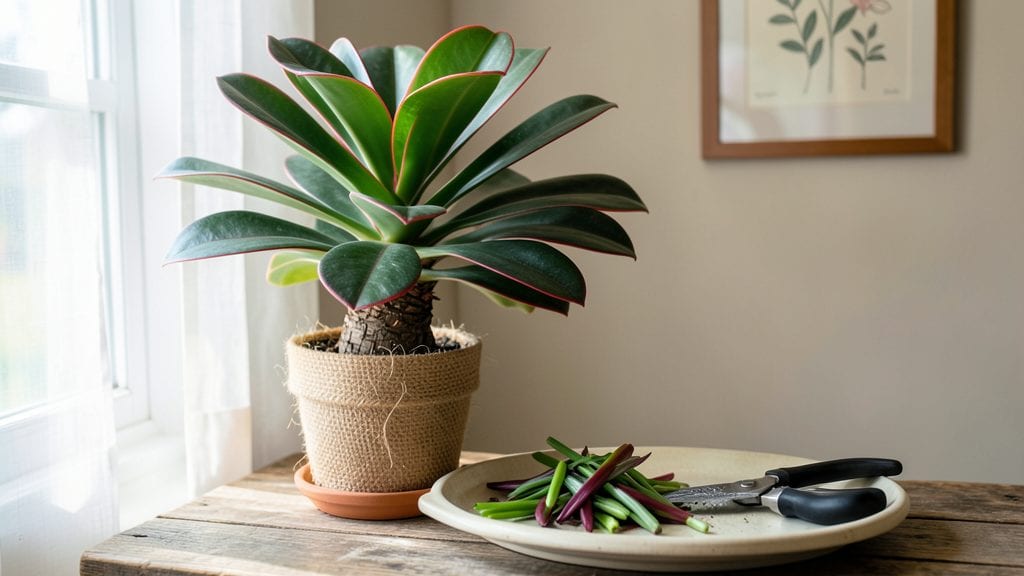
Pruning your ti plant isn’t just about keeping it tidy—it’s the secret to those glossy, deep-green leaves that make neighbors double-take. ✨ I’ve turned my ti from a scraggly mess into a showstopper by mastering just three seasonal cuts, and the difference is night-and-day after a year of practice.
The key is timing: late winter for the big shape-up, early summer to control leggy growth, and a light touch in fall to prep for winter. You’ll need sharp pruners, rubbing alcohol for sterilizing cuts, and a clear vision of your plant’s natural shape—no guesswork required.
Most people overdo it, but ti plants bounce back faster than you’d think.
After pruning, you’ll see fresh, vibrant growth within weeks, with thicker branches and a fuller canopy. The plant rewards patience—skip the heavy-handed cuts, and you’ll end up with a ti that looks like it’s been professionally landscaped, not just hacked at.
The best part? You can shape it into a tree, a shrub, or even a bonsai-style masterpiece.
Works for indoor ti plants or those in warmer climates where they thrive outdoors. Whether you’re dealing with a 5-foot giant or a tabletop specimen, these same principles apply. Let’s get those shears out and start sculpting!
📚 In This Guide
- What you need
- Instructions
- Tips and common mistakes
- Wrapping up and next steps
What you need
- ● Bypass Pruners: Sharp, clean pruners (e.g., Felco or Fiskars) for precise cuts—sterilize with rubbing alcohol before and after use.
- ○ Hand Pruners (Optional): For smaller stems or tight spots (e.g., Corona or Gonicc).
- ● Garden Gloves: Lightweight, breathable gloves (e.g., nitrile-coated) to protect hands from thorns.
- ● Disinfectant: 70% isopropyl alcohol or a 10% bleach solution (1 part bleach to 9 parts water) to prevent disease spread.
- ● Sharpie or Permanent Marker: For labeling cuts (e.g., to track growth or identify trimming dates).
- ○ Small Pruning Saw (Optional): For thick, woody stems (e.g., Felco F-2 pruning saw).
- ● Healthy Plant: Ensure your Prune Ti is pest-free and free of yellowing or mushy leaves before trimming.
- ● Growth Knowledge: Familiarize yourself with your plant’s growth habits—Prune Ti thrives with selective trimming to encourage bushiness.
- ● Weather Check: Trim on a dry, overcast day to reduce stress on the plant (avoid trimming in extreme heat or cold).
- ● Plan Ahead: Sketch a rough outline of cuts if your plant is large or complex.
Step-by-step guide to pruning your ti plant
Here's the seasonal approach I use to keep my ti plant thriving year-round.
✂️ Step 1: Spring Pruning for New Growth
Start in early spring when new growth begins to emerge. Look for stems that have grown leggy or overly long—these are your first targets. I like to cut back about one-third of the plant's height to encourage bushier growth. Use clean, sharp pruning shears to make cuts at a 45-degree angle, just above a leaf node where new shoots can form.
Remove any dead or yellowing leaves completely. These won't recover and just take energy from the plant. You'll know you're doing it right when you see fresh, vibrant new leaves appearing within 2-3 weeks. This is the perfect time to also thin out crowded stems to improve airflow and prevent disease.
☀️ Step 2: Summer Maintenance Trimming
Throughout the summer months, focus on keeping your ti plant looking its best. Every 4-6 weeks, give it a light trim to remove any stems that have grown too long or are blocking sunlight from reaching the center of the plant. I always check for any stems that are growing toward the light source—these need pruning to maintain a balanced shape.
Pinch off any flower buds if you want to maintain a lush, leafy appearance. Ti plants produce flowers, but they can drain energy from the plant. If you see any leaves that are smaller than usual or have brown edges, it's a sign of overwatering or too much direct sunlight—trim these back to encourage healthier growth. Keep your prunings to about 10-15% of the plant's total foliage to avoid stressing it.
🌿 Step 3: Fall Pruning for Winter Prep
As temperatures begin to drop in fall, it's time for a final trim to prepare your ti plant for winter. Reduce the plant's size by about one-third again, focusing on any weak or damaged stems. This helps the plant conserve energy and stay healthy during the colder months. Make sure to remove any leaves that have turned yellow or brown, as these won't survive the winter and can attract pests.
Prune just before the first frost, giving the plant time to heal before the cold sets in. You'll see the plant looking fuller and more compact, ready to handle the winter months. This is also a great time to repot if needed, using fresh potting mix to give your ti plant a nutrient boost for the new year.
⏰ Step 4: Winter Check and Light Pruning
During the winter, your ti plant will go through a period of dormancy. This is the time to do minimal pruning—only remove any dead or dying leaves. Keep an eye out for any stems that have grown weak or leggy over the winter months. If you notice any, trim them back just above a leaf node to encourage new growth when spring arrives.
If your ti plant is in a low-light area during winter, you might see some leaves turning pale or yellow. Trim these back to help the plant focus its energy on healthier growth. You'll know you're doing it right if the plant looks tidy and healthy, ready to burst into new growth when the warmer months return.
Tips & tricks for pruning your ti plant
Keeping your ti plant lush and healthy year-round takes a little strategy—here's how to make seasonal pruning work for you.
Timing is Everything: Spring is your most aggressive pruning season, cutting back about one-third of the plant's height to encourage bushier growth. I've found that pruning just as new growth emerges in early spring gives your ti plant the best chance to recover and thrive. The 2-3 week window for new leaves to appear is your confirmation that you've done it right—don't rush this process, as patience pays off with vibrant foliage.
Tool Selection Matters: Using clean, sharp pruning shears is non-negotiable. Dull tools crush stems instead of making clean cuts, which can damage the plant and invite disease. I always clean my shears with rubbing alcohol between plants to prevent cross-contamination. For larger stems, consider using bypass pruners—they make cleaner cuts that heal faster. Remember, the 45-degree angle mentioned in Step 1 isn't just aesthetic; it helps water run off the cut and prevents rot.
Seasonal Adjustments: Summer maintenance is all about balance—every 4-6 weeks, trim just enough to maintain shape without stressing the plant. The 10-15% foliage guideline is your safety net. In fall, that one-third reduction prepares your ti plant for winter dormancy. I've learned the hard way that cutting too late in the season can leave the plant vulnerable to frost damage, so always prune just before the first frost. This timing gives your plant time to heal before the cold sets in.
Winter Care Strategy: During dormancy, minimal pruning is key. Focus only on removing dead or dying leaves to prevent pests from taking up residence. The weak stems you might notice in winter are actually signals—they're telling you where to encourage new growth when spring arrives. I've found that keeping a small notebook to track seasonal changes helps me anticipate pruning needs each year.
Pro Tips for Prune Ti Plant
- Keeping your ti plant lush and healthy year-round takes a little strategy—here's how to make seasonal pruning work for you.
- Timing is Everything: Spring is your most aggressive pruning season, cutting back about one-third of the plant's height to encourage bushier growth.
- Tool Selection Matters: Using clean, sharp pruning shears is non-negotiable.
Frequently asked questions
Got questions about keeping your Prune Ti plant thriving with seasonal trims? You’re not alone! Here are some of the most common queries—and expert answers—to help you prune like a pro.
When is the best time to prune a Prune Ti plant?
Prune your Prune Ti plant three times a year—spring (to encourage new growth), summer (to maintain shape), and late fall (to prep for dormancy). Avoid heavy pruning in winter unless dead or damaged branches need removal. Light trims in between keep it lush without stressing the plant.
How much can I trim off without harming my Prune Ti?
You can safely remove up to 1/3 of the plant’s foliage in a single session, but avoid over-pruning. Focus on selective trimming—cut back leggy stems, overcrowded branches, or yellowing leaves. Prune just above a leaf node (where new growth emerges) for the best results. Think of it like a haircut: better to do it right than too much at once!
What should I do if my Prune Ti looks sad after pruning?
If your plant seems stressed post-prune, it’s likely adjusting—don’t panic! Move it to a bright, indirect light spot and water lightly (let the soil dry slightly between waterings). Avoid fertilizing for 2–4 weeks to let it recover. Yellow leaves? That’s normal for a few weeks. If new growth doesn’t appear in 4–6 weeks, check for pests or root issues.
Can I propagate my Prune Ti cuttings from pruning?
Pruning is the perfect chance to multiply your plants.
Dip cuttings (4–6 inches long) in rooting hormone, plant them in moist potting mix, and cover with a plastic bag to retain humidity. Keep them in bright, indirect light and mist occasionally. Roots should form in 4–8 weeks—then you’ve got free Prune Ti babies!
What’s the difference between pruning for shape vs. rejuvenation?
| Shape Pruning | Rejuvenation Pruning |
|---|---|
| Done year-round to maintain size, remove dead leaves, and encourage bushiness. | Done every 2–3 years to revive an overgrown or leggy plant. |
| Trim lightly (10–20% of growth) to refine the plant’s form. | Cut back harder (up to 50% of the plant) to stimulate fresh, vigorous growth. |
| Best for routine maintenance. | Best for revitalizing older plants. |
Pro tip: Rejuvenation pruning is like a spa day for your Prune Ti—it might look sparse at first, but it’ll bounce back stronger!
Wrapping up and next steps
Caring for your prune ti plant is all about timing and technique—three seasonal trims keep it thriving year-round! 🌿 Whether you're shaping it for aesthetics or encouraging bushier growth, consistency is key.
With the right tools, patience, and a little love, your prune ti will reward you with vibrant, lush foliage that brightens any space.
Ready to take the next step? Schedule your first trim this spring and watch your plant flourish! For extra inspiration, snap a photo of your pruned prune ti and share it—your progress might inspire others in the plant-loving community. Happy pruning! ✂️💚