
Pruning
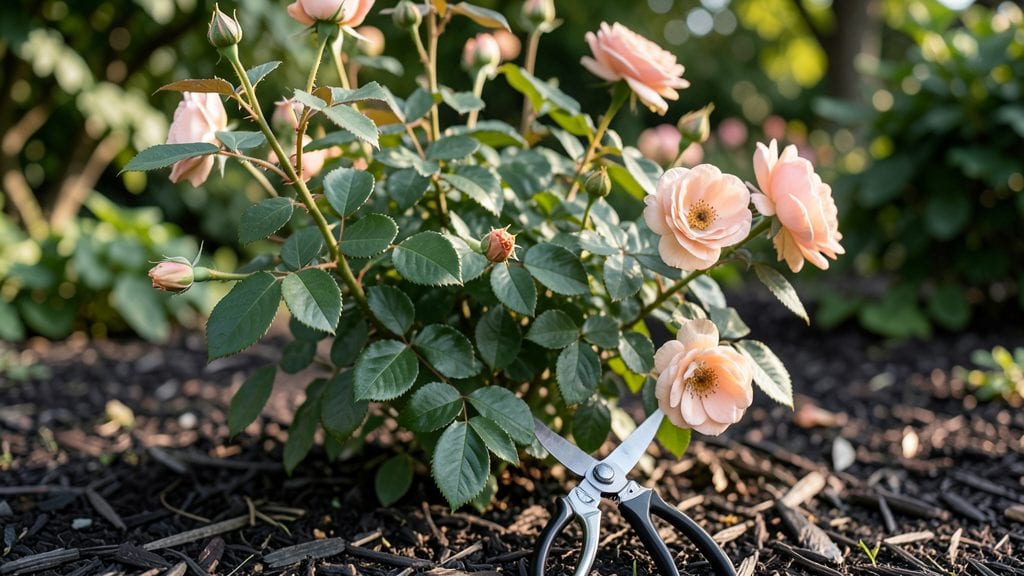
Pruning isn't just about tidying up your garden—it's a growth hack that plants use naturally when they shed leaves or branches.
When you make a clean cut, you trigger a hormonal response that redirects nutrients to where they're needed most, like new shoots or fruit production. 🌿 This process, called apical dominance reversal, explains why pruned plants often burst with new life.
For example, fruit trees like apples or peaches produce larger, more accessible harvests when you thin out crowded branches, while flowering shrubs reward you with bigger, showier blooms.
What many gardeners don't realize is that the timing of your cuts matters just as much as the technique. Pruning at the wrong season can stress a plant or even invite pests, while strategic seasonal cuts maximize benefits.
For instance, heavy pruning in late winter helps shape deciduous trees before their growth spurt, while summer trimming encourages bushier growth in perennials. The key is understanding whether your plant is dormant or actively growing—and how that affects its recovery.
💡 In This Article
- How Pruning Affects Plant Biology and Development
- Best Pruning Techniques for Different Plant Types
How pruning affects plant biology and development
When you make a precise cut on a plant, you're not just removing foliage—you're triggering a hormonal cascade. The plant's natural growth regulator, auxin, concentrates at the tips of branches, suppressing lateral buds through a phenomenon called apical dominance.
Removing the terminal bud (the growing tip) disrupts this dominance, causing auxin levels to drop and allowing dormant side buds to awaken. This is why pruned plants often sprout new branches within weeks, redirecting energy toward bushier growth patterns.
Woody plants like fruit trees respond differently than herbaceous varieties. In apple or peach trees, removing 20-30% of the canopy during dormant season increases sunlight penetration by up to 40%, which boosts fruit size and quality. The plant redirects stored carbohydrates from wood production to flower and fruit development.
Meanwhile, flowering shrubs like roses show 50% more blooms after strategic pruning because lateral buds develop into flower clusters rather than vegetative growth. 🌸 The key difference lies in their vascular systems—woody plants have permanent wood structures while herbaceous plants regenerate annually.
Timing matters because it affects wound healing and disease resistance. Pruning during dormant season (late winter/early spring) minimizes stress on deciduous plants, allowing wounds to callus over before active growth begins. Summer pruning, however, stimulates rapid regrowth in perennials but requires more frequent maintenance.
The plant's ethylene hormone spikes after cuts, promoting faster healing but also making it temporarily vulnerable to pathogens—hence why clean, sharp tools are non-negotiable.
Here's what happens at the cellular level: When you cut a branch, the plant's vascular cambium (growth layer) responds by forming new xylem and phloem cells to seal the wound. This process creates compartmentalization zones that isolate damaged tissue, preventing rot from spreading.
In fruit trees, this explains why heavy pruning can actually increase next year's yield—by removing old wood that competes for nutrients, you force the plant to invest in new, productive growth.
Consider the example of a 10-year-old peach tree that's grown unchecked. Without pruning, its dense canopy blocks sunlight from lower branches, reducing fruit quality and increasing humidity that fosters fungal diseases like brown rot.
After proper thinning cuts, that same tree might produce 30% more marketable fruit with 20% larger average size—all because the plant can now allocate resources more efficiently. The visual transformation is dramatic: what was once a tangled mess becomes an open, airy structure that's easier to harvest and maintain.
What most gardeners overlook is how pruning affects root development. While above-ground cuts get all the attention, the real growth boost comes underground. When you remove foliage, the plant's root system expands to compensate, seeking more water and nutrients.
This is why pruned roses often develop deeper root systems within a single growing season, making them more drought-resistant. The connection between shoot and root growth is mediated by cytokinins, another plant hormone that balances auxin's effects.