
Companion Plants
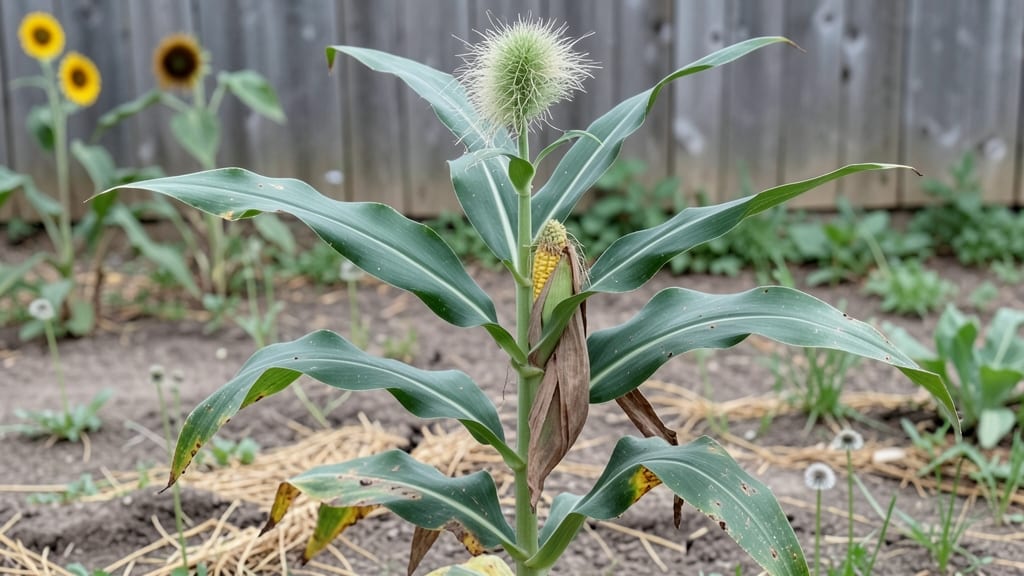
Popcorn plants pictures typically feature Caryopteris (bluebeard) or Celosia (cockscomb), whose seed pods mimic tiny popcorn kernels. These eye-catching annuals and perennials boast vivid foliage and bold flower spikes, perfect for adding texture to gardens or crafting dried bouquets.
When you see these plants in photos, you'll notice their signature puffy seed heads that look like miniature popcorn—though they're not edible. 🌟 Caryopteris stands out with its silvery-blue foliage and lavender-blue flower clusters, while Celosia offers fiery red, pink, or yellow plumes.
Gardeners love them for their drought tolerance and long-lasting blooms, which make them ideal for borders or container gardens. The seed pods dry beautifully, too, adding rustic charm to winter arrangements.
These plants thrive in full sun and well-drained soil, making them low-maintenance stars for any garden. Whether you're aiming for a whimsical cottage garden or a modern landscape, their popcorn-like pods bring playful texture and visual interest.
For best results, deadhead spent blooms to encourage more flowers and harvest pods when fully dried for crafts.
💡 In This Article
- Identifying Popcorn-Like Plant Species and Their Traits
- How to Grow and Care for Popcorn-Styled Ornamental Plants
Identifying popcorn-like plant species and their traits
The visual resemblance to popcorn comes from the unique seed structures of these ornamental plants. Caryopteris (bluebeard) produces small, round seed pods clustered in dense, fuzzy formations that resemble tiny popcorn kernels—each pod measures just 2-3 millimeters in diameter.
These pods develop after the lavender-blue flowers fade, creating a textured display that lasts through fall. The key difference from true popcorn (Zea mays everta) is that these ornamental pods are non-edible and serve purely decorative purposes.
Celosia (cockscomb) takes this comparison further with its velvety, flame-shaped seed heads that resemble popcorn in both shape and color variations. The seed clusters form in vibrant hues—deep red, golden yellow, or fiery orange—while maintaining a puffy, grain-like texture. Unlike true popcorn's starchy kernels, these seed heads contain tiny, hard seeds that disperse when mature, creating a natural "popcorn" effect when dried and shaken. 🌟
The botanical mechanism behind this resemblance lies in the plants' reproductive strategies. Both species develop inflated, air-filled seed pods that improve seed dispersal by wind.
In Caryopteris, these pods grow in dense clusters along upright stems, while Celosia forms its characteristic "cockscomb" shape where seed heads emerge from a central point. This adaptation creates the visual illusion of popcorn while serving the plant's evolutionary purpose of seed propagation.
Gardeners appreciate these traits because they offer year-round interest.
While the flowers provide summer color, the seed pods maintain visual appeal through fall and winter. Caryopteris reaches 2-3 feet tall with silvery-blue foliage that contrasts beautifully with its blue flowers, while Celosia grows 1-2 feet tall with bold, upright plumes.
Their drought tolerance and ability to thrive in full sun conditions make them perfect for low-maintenance gardens.
What truly sets these apart from true popcorn is their ornamental value. While Zea mays everta relies on its edible starch content for appeal, these plants offer visual texture, extended bloom seasons, and dried-flower potential.
The seed pods can be harvested when completely dry (typically 4-6 weeks after flowering) and used in crafts, wreaths, or winter arrangements, adding a rustic charm that popcorn simply can't match.
For those seeking a whimsical garden element, these plants deliver playful texture without the maintenance of traditional popcorn cultivation. Their ability to thrive in USDA zones 5-10 (depending on variety) makes them accessible to gardeners across North America, while their deer-resistant qualities add practical benefits.
The key is choosing varieties with compact growth habits for containers or allowing them to reach their full height for dramatic border effects.