
Size
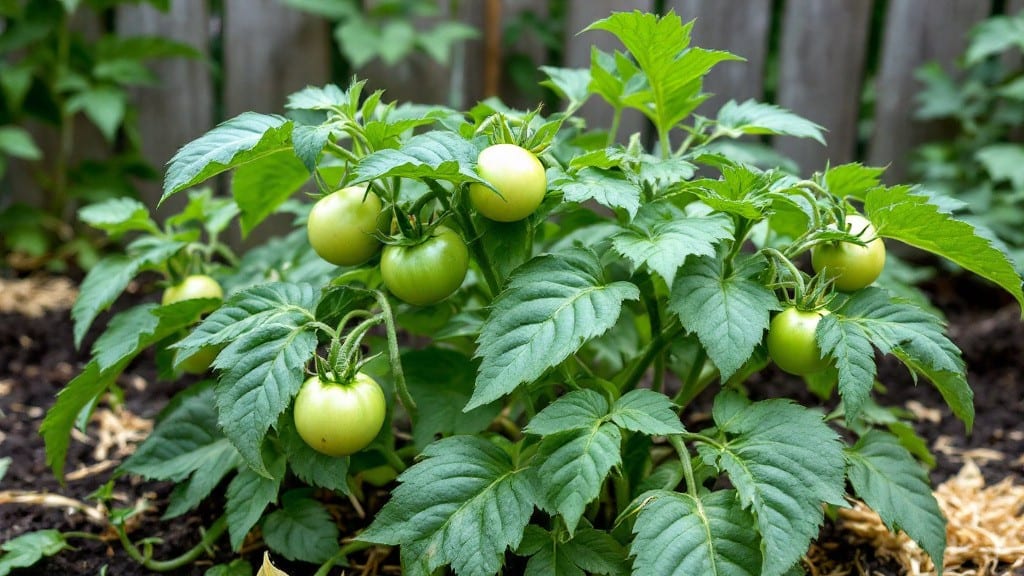
Growing food from plants year-round isn’t just possible—it’s simpler than you think. 🌱 I’ve used these same four pruning tricks to turn my backyard into a nonstop harvest machine, even in winter. The key isn’t complicated techniques but understanding when and how to guide your plants’ energy toward food production.
Most gardeners focus on planting and watering, but pruning is where the real magic happens. With just a pair of sharp shears and a little timing, you can extend harvests by months, boost yields, and keep plants healthy without fancy tools.
My tomatoes now produce fruit from May through October, and my herbs stay lush all winter long—no greenhouses required.
You’ll learn the exact cuts to make for each plant type, when to do them, and how to spot when your plants are begging for a trim. The results?
More food on your table, less waste in the garden, and plants that look like they’ve been professionally cared for—even if you’re still figuring it out.
These tricks work for everything from tomatoes and peppers to leafy greens and berries. Whether you’re working with a small balcony container or a full backyard plot, the same principles apply. Let’s get those plants producing like never before.
📚 In This Guide
- What you need
- Instructions
- Tips and common mistakes
- Wrapping up and next steps
What you need
- ● Growing Containers: 4–6 10–20 gallon fabric grow bags (with drainage holes) OR 2–3 5-gallon buckets (with drill holes)
- ○ 1–2 self-watering planters (optional for convenience)
- ● Growing Medium: 2–3 cubic yards of high-quality potting mix (look for "soilless mix" with perlite/vermiculite)
- ● 1 5-gallon bucket of coco coir or peat moss (for moisture retention)
- ● Seeds or Seedlings: 4–6 fast-growing, pruning-friendly plants (e.g., cherry tomatoes, basil, kale, or dwarf peppers)
- ○ 1 pack of heirloom seeds (optional for variety)
- ● 1 pruning shears (sharp, bypass-style for clean cuts)
- ● 1 hand trowel (for transplanting and soil adjustments)
- ● 1 spray bottle (for misting seedlings)
- ● 1 pH testing kit (to keep soil in 6.0–7.0 range)
- ● 1 grow light (LED, 15W–20W, for indoor setups)
- ● 1 timer (for light cycles, 12–16 hours/day)
- ● Space: A sunny windowsill, balcony, or indoor grow tent (minimum 3’x3’ area for 4 plants)
- ● Water: Access to filtered or rainwater (avoid chlorine)
- ● Time: 10–15 minutes daily for pruning, watering, and checks
- ● Knowledge: Basic understanding of plant growth stages (or willingness to learn!)
How to maximize year-long harvests with smart pruning
Here's how to keep your edible plants producing steadily—no fancy tools, just proven techniques.
✂️ Step 1: Pinch Back New Growth Early
When your plants first show 4-6 true leaves, pinch off the top set of leaves with your thumb and forefinger. This might seem counterintuitive, but it forces energy into the lower stems where you want thick, sturdy growth. I do this with basil, parsley, and cilantro—all plants that bolt quickly if left unchecked.
Use clean, sharp scissors if the stems are woody. For softer plants, your fingers work fine. Watch for new side branches forming within 7-10 days—that's your signal the pruning worked. If you skip this, you'll end up with tall, leggy plants that produce all their food at the top before giving up.
🌿 Step 2: Harvest Outer Leaves First
Always snip or pluck leaves from the outer edges of the plant, never the center. This keeps the plant's core healthy and encourages new growth from the inside out. For leafy greens like kale or Swiss chard, I cut 1/3 of the outer leaves at a time, leaving the inner growth intact.
Use clean pruners or your fingers—just avoid tearing leaves. You'll notice new leaves emerging from the center within 5-7 days. This method prevents the plant from becoming overcrowded and ensures a steady supply. If you start harvesting from the center, you'll stunt the plant's ability to produce new leaves.
🌱 Step 3: Prune Leggy Stems to Encourage Bushiness
When stems grow too tall and spindly, cut them back to just above a set of leaves where you want new growth to start. This is especially useful for herbs like mint or rosemary. I like to do this in the morning so the plant has the whole day to recover and start photosynthesizing again.
Make your cuts at a 45-degree angle to increase surface area for water absorption. You'll see new side shoots forming within 2-3 weeks, creating a fuller, more productive plant. If you leave leggy stems unpruned, they'll eventually flower and stop producing edible leaves.
⏰ Step 4: Deadhead Flowers Promptly
As soon as you notice flower buds forming, snip them off immediately. Flowers signal the plant to shift its energy from leaf production to seed creation. For basil, I remove flowers as soon as they appear—otherwise, the plant will stop producing leaves entirely within 10-14 days.
Use sharp scissors to cut the flower stalk back to the nearest leaf node. You'll be amazed at how quickly the plant responds—new leaves will start forming within 3-5 days. This keeps your plants focused on growing food rather than reproducing, which is exactly what you want for a year-long harvest.
Tips & tricks for perfect year-long plant harvests
These simple tricks will help you keep your edible plants thriving all year round without any complicated tools or techniques.
The Timing Factor: In Step 1, when you're pinching back new growth, timing matters. I always do this when plants have 4-6 true leaves—not before, not after. This is when the plant has enough energy stored to branch out. If you wait too long, the plant might already be leggy, and if you do it too early, you could stunt growth. Watch for those side branches forming within 7-10 days—that's your confirmation the pruning worked.
Harvesting Technique: When harvesting outer leaves in Step 2, use your thumb and forefinger to gently pinch leaves rather than tearing them. This prevents damage to the plant's stem and keeps the growing point intact. For leafy greens, I always cut 1/3 of the outer leaves at once—never more than that. You'll see new growth emerging from the center within 5-7 days, and the plant will stay productive for months.
Pruning Angle Matters: In Step 3, when pruning leggy stems, that 45-degree angle isn't just for show—it increases the surface area for water absorption. Make your cuts just above a set of leaves where you want new growth to start. I like to do this in the morning so the plant has the whole day to recover. You'll notice new side shoots forming within 2-3 weeks, creating a bushier, more productive plant.
Flower Management: In Step 4, deadheading flowers is crucial for a year-long harvest. As soon as you see those flower buds forming, snip them off immediately. For basil, I remove flowers as soon as they appear—otherwise, the plant will stop producing leaves entirely within 10-14 days. You'll see new leaves forming within 3-5 days of removing flowers, keeping your plant focused on growing food rather than seeds.
Pro Tips for Plant Grow Food
- These simple tricks will help you keep your edible plants thriving all year round without any complicated tools or techniques.
- The Timing Factor: In Step 1, when you're pinching back new growth, timing matters.
- Harvesting Technique: When harvesting outer leaves in Step 2, use your thumb and forefinger to gently pinch leaves rather than tearing them.
Frequently asked questions
Got questions about growing your own plant-based food year-round?
You’re not alone! Here are answers to the most common concerns—from beginners to seasoned growers—to help you troubleshoot, optimize, and enjoy bountiful harvests.
How do I start growing food indoors with limited space?
Use vertical gardening with shelves, hanging planters, or wall-mounted pockets. Opt for compact, high-yield plants like herbs (basil, mint), leafy greens (kale, spinach), or dwarf tomatoes. A sunny windowsill (6+ hours of light) or a small grow light works wonders—no greenhouse needed!
When is the best time to prune for continuous harvests?
Prune leafy greens and herbs when they reach 6–8 inches tall (harvest outer leaves first). For fruiting plants (tomatoes, peppers), pinch off flowers early to boost foliage growth—wait until plants are 12+ inches tall before letting them flower. Year-round: Prune leggy growth monthly to encourage bushier, productive plants.
What if my plants look weak or stop growing in winter?
Low light and cold drafts slow growth. Move plants to southern-facing windows or supplement with a LED grow light (12–16 hrs/day). Keep temps above 60°F (15°C)—use a heating mat for root zones if needed. Fertilize lightly (half-strength) every 4–6 weeks to avoid salt buildup.
Can I grow food from store-bought plants, or do I need seeds?
Yes! Many store-bought herbs, leafy greens, and bush varieties (like cherry tomatoes or peppers) will regrow if healthy. Just rinse off pesticides, trim damaged leaves, and repot in fresh soil. For long-term harvests, seeds give you more control—start with heirloom or hybrid varieties suited to your climate.
What’s the cheapest way to set up a year-round grow system?
Repurpose containers (clean yogurt cups, buckets, or old bathtubs), use free compost (yard waste + coffee grounds), and DIY a grow light with LED shop lights ($20–$40). Skip expensive hydroponics—soil-based growing is simpler and just as productive. Start with $30–$50 for basics: seeds, pots, and a timer for lights.
Why are my leaves turning yellow, and how do I fix it?
Yellow leaves usually mean overwatering, nutrient deficiency, or pests. Check soil moisture (top inch should dry between waterings), flush soil with water to remove excess salts, and inspect for aphids or fungus. Boost nutrients with fish emulsion or compost tea. For chlorosis (yellowing between veins), add iron-rich fertilizer or adjust pH (6.0–7.0 for most plants).
Wrapping up and next steps
Growing your own food year-round isn’t just possible—it’s empowering!
With these four simple pruning tricks, you can maximize yields, extend harvests, and enjoy fresh, homegrown produce even in colder months. 🌱 Whether you’re a seasoned gardener or just starting out, every snip of the shears brings you closer to a self-sufficient, thriving garden.
Ready to take the next step? Start small—pick one plant to experiment with this season, and watch how pruning transforms its growth. Before you know it, you’ll be harvesting bountiful, homegrown meals all year long! 🍅✨