
Pests
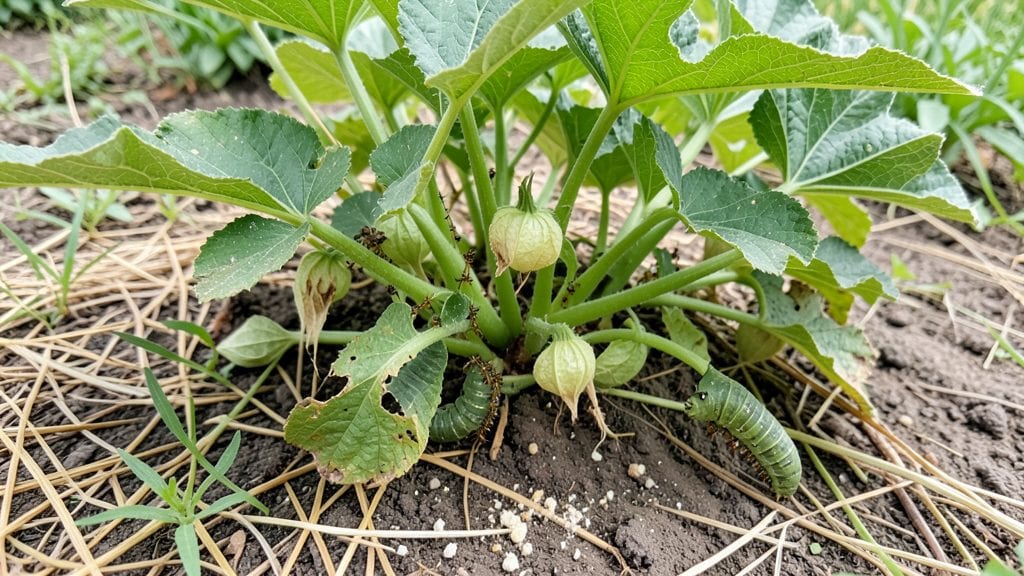
Tomatillo plant pests can turn your fragrant green harvest into a sad, stunted mess if you don’t catch them early. ✨ I’ve watched aphids drain my plants in days and whiteflies turn leaves sticky—until I learned the right moves to stop them before they ruin a season’s worth of salsa verde.
The worst offenders—aphids, whiteflies, and fungal spots—all leave telltale signs: curled leaves, sticky residue, or powdery mildew. Most gardeners wait too long, but a quick spray of neem oil or introducing ladybugs can save your plants before the pests spread.
The key is acting at the first sign, not when your plants are already struggling.
With the right prevention—like row covers, regular pruning, and healthy soil—you’ll keep your tomatillos thriving all season. No more wasted harvests, just lush plants ready to burst with flavor. Let’s get your garden back on track.
This works for both backyard gardens and container growers—just adjust the scale. Early action is everything, so don’t wait until the damage is done.
Root Causes of Tomatillo Pest Problems
Tomatillo plants, with their delicate green husks and vibrant salsa potential, are a gardener’s delight—until pests crash the party. Understanding why these critters target your tomatillos is the first step to stopping them. Here’s a breakdown of the key triggers, backed by science and actionable insights.
Tomatillos thrive in airflow, but when plants are packed too tightly, humidity lingers, creating a pest paradise. Why?
- Moisture buildup: Dense foliage traps dew and rainwater, perfect for fungal pests like Alternaria (early blight) and soft-bodied insects such as aphids and whiteflies. These pests thrive in damp, shaded conditions.
- Stress signals: Crowded plants compete for nutrients, weakening their defenses. Weakened tomatillos emit volatile organic compounds (VOCs), chemical distress signals that attract pests like tomato fruitworms and hornworms.
- Disease spread: Poor airflow allows fungal spores (e.g., Phytophthora) to splash between leaves, creating entry points for secondary pests like leafminers.
Actionable fix: Space tomatillos 18–24 inches apart in rows 2–3 feet apart. Prune lower leaves to improve airflow—especially after rain.
Pests target stressed plants, and nutrient imbalances are a common stressor. Tomatillos need balanced nutrition, but deficiencies—especially in nitrogen, potassium, or calcium—leave them vulnerable.
- Nitrogen (N) deficiency: Yellowing leaves (chlorosis) reduce chlorophyll, making plants less resilient to chewing insects like beetles or cutworms. Pests detect the weakened plant’s reduced secondary metabolites (natural pest-repelling compounds).
- Potassium (K) deficiency: Brown leaf edges signal poor water regulation. Without enough potassium, cell walls weaken, making fruits softer targets for fruit borers and sapsucking insects.
- Calcium (Ca) deficiency: Blossom-end rot (common in tomatillos) creates entry wounds for bacterial soft rot (Erwinia) and fungal infections, which then attract maggots and flies.
Actionable fix:
- Test soil pH (aim for 6.0–7.0); tomatillos need calcium-rich amendments like crushed eggshells or lime.
- Use a balanced fertilizer (10-10-10 or 5-10-10) at planting, then side-dress with compost mid-season.
- Apply potassium-rich compost tea to boost drought resistance.
Tomatillos are sensitive to moisture extremes, and both overwatering and underwatering create pest magnets.
| Issue | Pest Attraction | Why It Happens |
|---|---|---|
| Overwatering | Root rot (Phytophthora), aphids, whiteflies, slugs | Soggy soil drowns beneficial microbes, while excess surface moisture attracts slugs and snails. Fungal growth on wet leaves provides food and shelter for soft-bodied insects. |
| Underwatering | Spider mites, thrips, fruitworms | Drought-stressed plants produce sticky honeydew (a byproduct of stress), which attracts ants and aphids. Dry conditions also reduce predatory mites, allowing spider mites to explode in populations. |
Actionable fix:
- Water deeply 1–2 times per week (1–1.5 inches per session), focusing on the root zone.
- Use drip irrigation or soaker hoses to avoid wetting foliage (prevents fungal pests).
- Mulch with straw or wood chips to retain moisture and deter slugs.
Pests don’t just appear out of nowhere—they thrive when their natural predators are missing. Tomatillo gardens often become pest hotspots due to:
- Monoculture planting: Growing only tomatillos (or other nightshades) eliminates diverse ecosystems that support ladybugs, lacewings, and parasitic wasps.
- Pesticide overuse: Broad-spectrum chemicals (e.g., neonicotinoids) kill beneficial insects faster than pests, creating a vacuum effect where pests rebound unchecked.
- Habitat loss: Removing weeds or "messy" garden edges destroys hiding spots for predators like ground beetles and spiders.
Actionable fix:
- Plant companion flowers like marigolds, alyssum, or dill to attract pollinators and predators.
- Avoid systemic pesticides; opt for targeted sprays (e.g., neem oil, insecticidal soap) only when necessary.
- Leave some "wild" areas in your garden for predator habitats.
Pests don’t target tomatillos randomly—they’re drawn by opportunity. By addressing crowding, nutrition, water, and ecosystem balance, you remove the welcome mat for unwanted guests. The key? Proactive care beats reactive sprays every time.
Fixing Tomatillo Pests Fast
Now that you’ve identified the troublemakers, it’s time to kick them to the curb before they turn your tomatillo patch into a buffet. The good news? Most pests can be managed with simple, non-toxic strategies that keep your plants thriving—and your produce pest-free.
Below, we’ve mapped out practical fixes for common culprits, along with prevention tips to stop future invasions.
Problem: These sap-sucking pests cluster on leaves, stems, and buds, leaving behind sticky honeydew (which attracts mold) and stunted growth.
How to Fix It: 🔥 Blast Them Off Use a strong stream of water from your hose to dislodge aphids. Repeat every 2–3 days until they’re gone. Pro tip: Do this in the early morning so plants dry quickly.
🍳 Soapy Spray Solution Mix 1 tsp mild liquid soap (like Castile) + 1 quart water in a spray bottle. Test on a few leaves first—aphids will drop off within hours.
👨🍳 Introduce Beneficial Bugs Ladybugs, lacewings, and parasitic wasps love aphids. Buy them online or attract them by planting dill, fennel, or marigolds nearby.
🌡️ Prevention Tip:
- Reflective mulch (like aluminum foil) confuses aphids.
- Neem oil spray (1 tbsp neem oil + 1 tsp soap per quart water) deters them before they start.
Problem: These green monsters can devour entire leaves overnight. Look for black "horns" and white diagonal stripes.
How to Fix It: 🔪 Handpick & Drop Wear gloves and squish or drop hornworms into soapy water. Check plants daily at dawn—they’re most active then.
🥘 Bacillus thuringiensis (Bt) Spray This organic bacteria kills hornworms without harming other insects. Spray every 7–10 days during outbreaks.
🎯 Encourage Predators Birds, praying mantises, and braconid wasps (tiny parasitic wasps) hunt hornworms. Install a bird feeder nearby or leave some leaf litter for mantises.
✨ Prevention Tip:
- Rotate crops—don’t plant tomatillos in the same spot yearly.
- Plant basil or borage nearby; hornworms avoid these herbs.
Problem: These tiny white moths swarm leaves, weakening plants with their sap-sucking and leaving a sticky residue that fosters black sooty mold.
How to Fix It: 🌿 Yellow Sticky Traps Hang yellow cards coated with petroleum jelly near plants. Whiteflies are drawn to yellow and get stuck.
💡 Neem Oil or Insecticidal Soap Spray neem oil (1 tbsp + 1 tsp soap per quart water) on both sides of leaves every 5–7 days. Repeat until flies disappear.
🔥 DIY Kaolin Clay Spray Mix 1 cup kaolin clay + 1 gallon water + 1 tsp soap. This repels and smothers whiteflies while protecting plants.
🌡️ Prevention Tip:
- Avoid over-fertilizing with nitrogen—whiteflies love lush, soft growth.
- Space plants properly for airflow (they thrive in crowded, humid conditions).
Problem: These nocturnal nibblers leave slimy trails and ragged holes in leaves, especially after rain.
How to Fix It: 🥘 Beer Traps (Yes, Really!) Bury a shallow dish filled with beer near plants. Slugs crawl in and drown. Refresh every 2–3 days.
🔪 Handpick at Night Use a flashlight after dark to spot and drop them in soapy water.
🌿 Copper Barrier Wrap copper tape around pots or garden beds—slugs get a mild electric shock and avoid crossing.
✨ Prevention Tip:
- Crushed eggshells or diatomaceous earth create a barrier (reapply after rain).
- Plant slug-repelling companions like garlic, thyme, or mint nearby.
- Rotate crops annually to disrupt pest life cycles.
- Remove debris (fallen leaves, weeds) where pests hide.
- Water at the base (not overhead) to reduce fungal diseases that attract pests.
- Interplant with herbs like basil, cilantro, or marigolds—they naturally repel many bugs.
Final Thought: Most tomatillo pests can be controlled without chemicals if you act early and consistently. Stay vigilant, and your plants will reward you with plump, pest-free tomatillos in no time! 🍅✨
Frequently asked questions about tomatillo plant pests
What are the most common pests that attack tomatillo plants?
The worst offenders include aphids (tiny green/black bugs on leaves), whiteflies (tiny white moths that swarm when disturbed), hornworms (large green caterpillars with white stripes), and slugs (nocturnal leaf-chewers). Fungal issues like Alternaria (early blight) also create entry points for secondary pests.
How do I tell if my tomatillos are being attacked by pests?
Watch for these red flags: sticky residue (aphid honeydew), chewed leaves (hornworms or slugs), yellowing or curling leaves (whiteflies or mites), or black spots (fungal diseases). Check both leaf tops and undersides—pests love hiding there!
Can I use chemical pesticides on my tomatillo plants?
While chemical pesticides work, they often harm beneficial insects and can leave residues on your edible tomatillos. Instead, try neem oil, insecticidal soap, or Bacillus thuringiensis (Bt) for organic control. Always follow label instructions and apply in the early morning for best results.
What’s the best way to prevent pests before they start?
Start with healthy soil (compost + balanced fertilizer), proper spacing (18–24 inches apart), and good airflow (prune lower leaves). Plant companion herbs like basil or marigolds, and introduce beneficial bugs (ladybugs, lacewings) early in the season. Mulch with straw to deter slugs and retain moisture.
Will my tomatillos recover if pests have already damaged them?
Mature plants can bounce back if you act fast! Prune heavily damaged leaves to redirect energy, and treat remaining pests aggressively. For severe cases, focus on saving new growth—tomato family plants (like tomatillos) often regenerate from healthy stems. Just remove all affected fruit to prevent further spread.