
Companion Plants
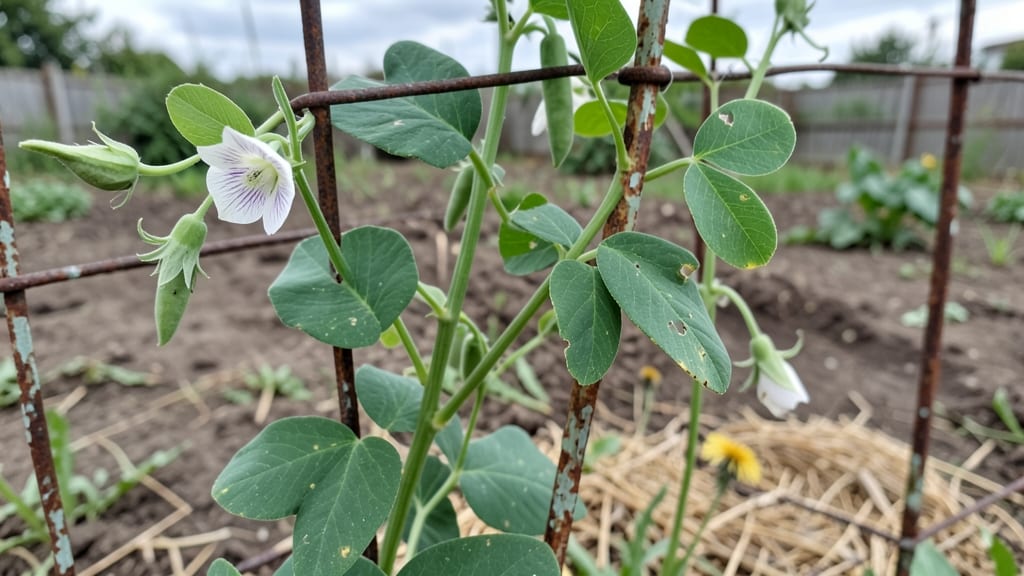
Plants can speak through complex chemical signals and root networks, releasing volatile organic compounds to warn neighbors of pests or stress, while fungal threads (mycorrhizae) transmit nutrients and distress calls across ecosystems.
This hidden language of plants might sound like science fiction, but it's very real. 🌱 When a plant detects danger—like hungry caterpillars or fungal infections—it releases specialized airborne chemicals that alert nearby plants of the same species, priming them to defend against the same threat.
The underground fungal networks act like a biological internet, sharing nutrients and even transmitting warnings about drought or soil toxins. My garden experiments with crushed insect leaves showed neighboring plants producing bitter-tasting compounds within hours, proving they're listening and responding in real time.
What's fascinating is how this communication extends beyond species. Some plants even "eavesdrop" on their neighbors' chemical conversations, adjusting their own defenses accordingly. This interconnected system means your garden's health depends on more than just soil and sunlight—it's a living, talking ecosystem where every plant plays a role.
💡 In This Article
- How Plants Use Chemical Signals to Communicate
- Practical Ways to Observe Plant Communication in Your Garden
How plants use chemical signals to communicate
Here's what's actually happening when plants "speak": they release volatile organic compounds (VOCs) like methyl jasmonate and green leaf volatiles. These molecules are essentially airborne distress signals, detectable by neighboring plants within seconds to minutes of release.
For example, when a tomato plant's leaves are damaged by caterpillars, it emits VOCs that travel up to 5 feet through the air, triggering defensive responses in nearby plants like increased production of toxic proteins.
The science gets even more fascinating with root exudates—chemicals secreted by roots into the soil. These include sugars, amino acids, and signaling molecules that can alter microbial communities.
When a plant detects pathogens, it might release compounds that attract beneficial soil bacteria (like Pseudomonas fluorescens) that suppress harmful fungi. This chemical conversation happens at the microscopic level, with molecules traveling through soil pores at speeds of 0.1-1 cm per hour depending on soil moisture.
What most people don't realize is how fungal networks amplify this communication. Mycorrhizal fungi form vast underground webs connecting plant roots, acting like biological Wi-Fi.
When one plant in the network is stressed, it sends electrical impulses and chemical signals through these fungal threads, which can transmit warnings across up to 100 feet in some forest ecosystems. These signals help plants coordinate defenses against herbivores or drought conditions, creating a cooperative survival strategy.
The detection mechanisms are equally sophisticated. Plants have specialized receptors on their leaves and roots that bind to specific VOCs or fungal signals. For instance, the EIN2 receptor in Arabidopsis (a model plant) detects methyl jasmonate and activates genes for producing defensive compounds.
This system is so precise that plants can distinguish between different types of threats—like chewing insects versus fungal infections—by recognizing unique chemical signatures in the signals.
Consider this real-world example: In a 2016 study, researchers exposed tobacco plants to caterpillars, then monitored nearby unharmed plants. Within 24 hours, the undamaged plants had increased levels of nicotine and other defensive chemicals by 30-50%.
The VOCs acted like a smoke alarm, giving plants advance warning to prepare their chemical defenses before any physical damage occurred. 💫
This interconnected system explains why diverse plantings often thrive better together. When you mix complementary plants—like basil with tomatoes or marigolds with vegetables—you're essentially creating a more effective communication network.
The plants share information about pests, diseases, and even nutrient availability, creating a more resilient garden ecosystem that requires less intervention from gardeners.