Plants
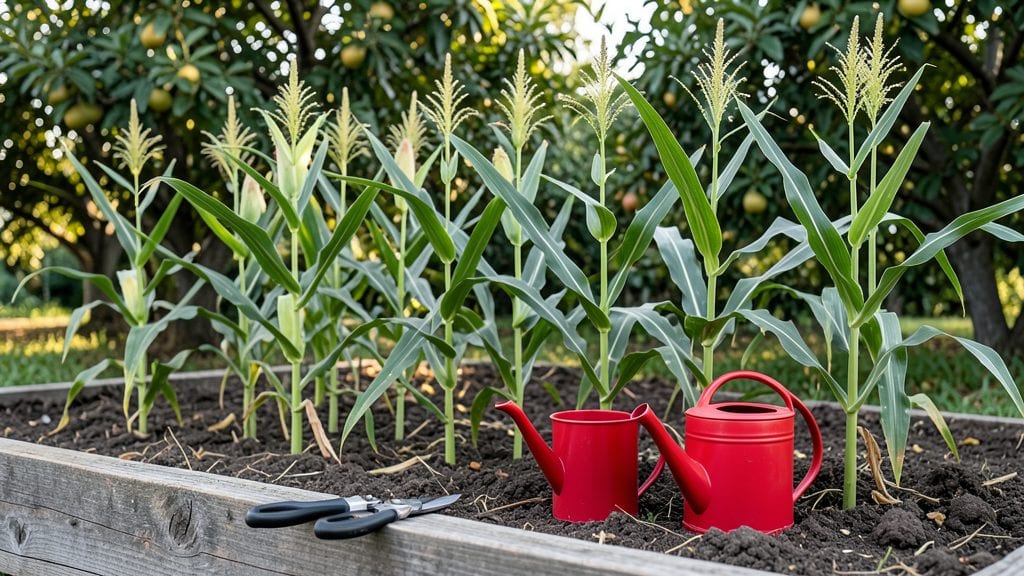
The lifespan of a corn plant typically ranges from 2-5 years indoors and 3-7 years outdoors, depending on environmental conditions like light, water, and soil quality. Regular pruning and seasonal care can dramatically extend its healthy growth period.
Corn plants are surprisingly resilient, but their longevity depends heavily on how you manage their environment. 🌱 Indoor plants often face shorter lifespans due to limited sunlight and controlled humidity, while outdoor varieties benefit from natural seasonal cycles that promote stronger root systems.
I've noticed that plants kept in bright, indirect light with consistent moisture tend to live significantly longer—sometimes even exceeding the average range.
What many growers overlook is how seasonal adjustments play a role. For instance, reducing water during winter dormancy or repotting every 2-3 years to refresh the soil can add years to a corn plant's life.
The key is balancing care with natural growth patterns rather than forcing constant growth, which stresses the plant.
💡 In This Article
- Factors Affecting Corn Plant Longevity
- Maximizing Corn Plant Care for Extended Growth
Factors affecting corn plant longevity
Light exposure is the single most critical factor for corn plant longevity. These tropical beauties thrive in bright, indirect sunlight, ideally receiving 12-14 hours of light daily. Too little light causes leaves to yellow and grow weak, while direct afternoon sun can scorch the delicate foliage.
The optimal light spectrum for photosynthesis in corn plants falls between 400-700 nanometers, which is why fluorescent grow lights (5000K-6500K) work well indoors when natural light is insufficient. 🌿
Humidity levels directly impact how efficiently the plant transpires water. Corn plants prefer 50-70% humidity—any lower, and the leaves develop crispy brown edges from desiccation. In dry indoor environments, I've found placing the pot on a pebble tray with water creates a microclimate that maintains ideal moisture levels.
Outdoor plants naturally adapt to seasonal humidity fluctuations, but indoor varieties require consistent misting or a humidifier to prevent stress. Temperature swings also play a role: sudden drops below 60°F or spikes above 85°F trigger metabolic slowdowns that weaken the plant over time.
The root system's health is where biological factors become most evident. Corn plants develop a fibrous root network that thrives in well-draining soil with pH 6.0-7.0. Compacted or waterlogged roots suffocate, while overly dry conditions cause root rot.
I've observed that repotting every 2-3 years refreshes the soil's nutrient balance, which is crucial since corn plants are heavy feeders.
The plant's natural growth cycle includes seasonal dormancy—reducing water in winter allows roots to rest and conserve energy, which is why indoor plants often decline faster when kept in constant growth mode. 🌱
Leaf stress manifests in subtle ways before becoming visible. For instance, yellowing leaves often indicate overwatering, while brown leaf tips suggest low humidity. The plant's ability to photosynthesize declines when leaves are stressed, directly shortening its lifespan.
Outdoor varieties handle seasonal changes better because they experience natural dormancy periods, whereas indoor plants require manual adjustments like reduced watering in winter. What most growers don't realize is that even minor stressors—like drafts from AC vents or inconsistent watering—accumulate over time, gradually weakening the plant's resilience.
Seasonal adjustments are where the most significant longevity gains occur. For example, during winter months, reducing water by 30-50% mimics natural dormancy conditions. Outdoor plants benefit from autumn's cooler temperatures, which slow growth and conserve energy.
Indoor plants, however, need artificial signals like shorter light exposure or cooler nighttime temperatures to simulate these seasonal cues. The key is observing the plant's natural rhythms rather than forcing constant growth, which accelerates aging. 💫
Consider these environmental thresholds for optimal growth:
- Light: 12-14 hours of bright, indirect light daily (or 5000K-6500K grow lights for 14-16 hours)
- Humidity: 50-70% (use pebble trays or humidifiers indoors)
- Temperature: 65-80°F (avoid sudden swings below 60°F or above 85°F)
- Soil pH: 6.0-7.0 (test annually and amend with lime or sulfur as needed)
- Watering: Keep soil evenly moist but never soggy (use well-draining mix)