Picking
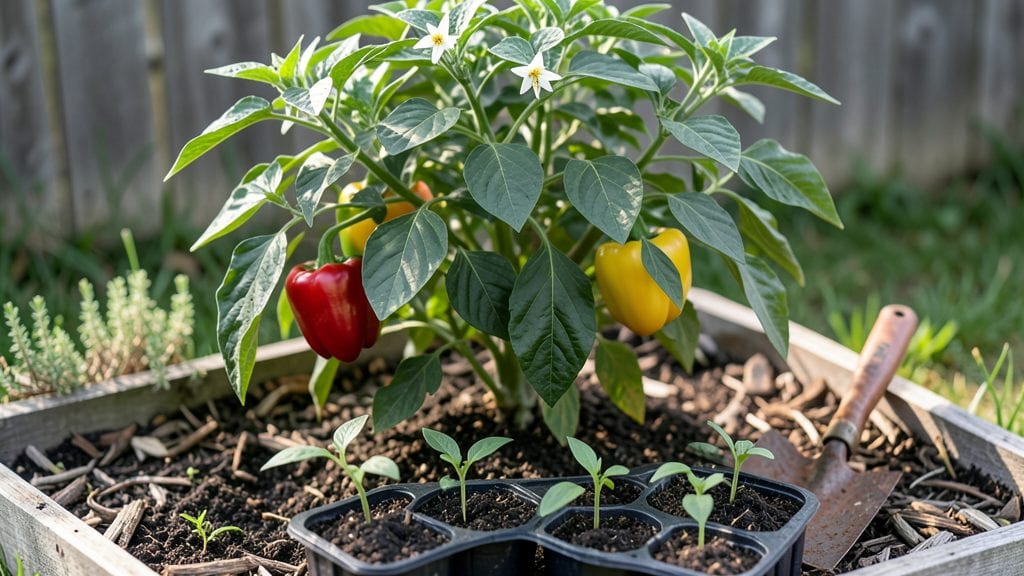
Planting with peppers isn't just about the peppers—it's about creating a thriving, pest-repelling ecosystem where every plant plays a role. 🌿 I learned this the hard way when my first pepper patch got wiped out by flea beetles, until I paired them with onions and basil.
The right neighbors deter pests, boost flavor, and even improve growth.
Start with well-draining soil rich in compost, and space peppers 18-24 inches apart—they need room to breathe, especially when laden with fruit. Plant onions or garlic nearby to deter aphids, and tuck in basil to enhance pepper flavor while keeping whiteflies away.
Tomatoes make great companions too, but keep them separate to prevent disease spread.
By midsummer, you'll see peppers forming alongside lush companion plants, and the harvest will be more abundant and flavorful than ever. The key is timing: plant peppers after the last frost when soil reaches 60°F, and keep the soil consistently moist but not soggy.
This method works in containers too, just scale down the spacing.
Even in small spaces, this approach maximizes your harvest while minimizing work. The payoff? A garden that practically takes care of itself—and a spice rack that rivals any grocery store. Let's get those peppers growing the right way!
📚 In This Guide
- What you need
- Instructions
- Tips and common mistakes
- Wrapping up and next steps
What you need
- ● Peppers Seeds or Seedlings: Choose 3–5 varieties (e.g., jalapeños, bell peppers, habaneros, or cayenne) for diversity.
- ● Start with 10–20 seeds if growing from seed, or 3–6 seedlings per variety for a small garden.
- ● Well-Draining Soil: 1–2 cubic yards of potting mix (for containers) or compost-amended garden soil (pH 6.0–6.8).
- ○ Optional: Perlite or vermiculite (1 part per 3 parts soil) to improve drainage.
- ● Containers or Garden Bed: For containers: 5-gallon pots or larger (peppers need room—12–18 inches deep).
- ● For garden beds: Full sun (6+ hours/day) and 6–12 inches apart (check plant tags).
- ● Fertilizer: Balanced fertilizer (e.g., 10-10-10) or organic options like composted manure or worm castings.
- ● Slow-release granules (follow package rates) at planting time.
- ● Watering Supplies: Drip irrigation or watering can (peppers hate wet leaves—aim for 1–1.5 inches/week).
- ● Mulch (straw or shredded leaves) to retain moisture.
- ○ Support Structures (Optional but Helpful): Cages or stakes for tall varieties (e.g., bell peppers).
- ● Trellis for climbing peppers (like some habaneros).
- ● Garden trowel or transplant spade (for digging holes).
- ● Pruning shears (to trim dead leaves or encourage bushiness).
- ● Gloves (peppers can be spicy—handle with care!).
- ○ pH test kit (optional but useful for soil testing).
- ● Spray bottle (for misting seedlings or deterring pests).
Step-by-Step instructions for planting peppers in your garden
Here's the foolproof method I use to get peppers thriving from seed to harvest.
🌱 Step 1: Start Seeds Indoors 8-10 Weeks Before Last Frost
Fill 2-3 inch deep seed trays with the seed-starting mix and moisten it until damp but not soggy. Pepper seeds germinate best at 75-85°F, so I use a seedling heat mat underneath the trays. Plant seeds 1/4 inch deep—too shallow and they won't germinate properly.
Cover the trays with plastic wrap or a humidity dome to trap warmth and moisture. Check daily for condensation—if you see water droplets, remove the cover for 10 minutes to prevent mold. Germination takes 7-14 days, so be patient. Once sprouts appear, move them to a sunny windowsill or under grow lights for 14-16 hours daily.
☀️ Step 2: Harden Off Seedlings Before Transplanting
Two weeks before your last frost date, start hardening off seedlings by placing them outside in a sheltered spot for 1-2 hours the first day. Gradually increase their outdoor time by 1 hour daily until they can handle a full day outside. This toughens their stems and leaves so they won't shock when planted in the garden.
Watch for signs of stress like wilting or yellowing leaves—if you see these, they're not ready yet. Once seedlings tolerate 6+ hours of sun without wilting, they're ready for the garden. I like to transplant on a cloudy day to reduce transplant shock.
🪴 Step 3: Plant Seedlings in Full Sun with Well-Draining Soil
Choose a location that gets at least 6-8 hours of direct sun daily. Peppers hate soggy soil, so amend the garden bed with compost to improve drainage. Dig holes just deep enough to bury the seedlings up to their first set of true leaves—planting too deep can cause rot.
Space seedlings 18-24 inches apart in rows 24-36 inches apart to allow for air circulation, which prevents fungal diseases. Water deeply right after planting to settle the soil around the roots. Avoid wetting the leaves when watering, as this can spread disease.
💧 Step 4: Water and Fertilize for Strong Growth
Water peppers at the base of the plant 1-2 inches deep whenever the top inch of soil feels dry. I use a drip irrigation system or water in the early morning to prevent fungal issues. Peppers are heavy feeders, so I apply balanced fertilizer every 2-3 weeks once the plants are established.
You'll know your peppers are happy when they grow 6-12 inches tall with strong, upright stems. If you see yellowing leaves, it could mean overwatering or nutrient deficiency—adjust your watering schedule or add a bit more fertilizer. Prune any suckers (side shoots) that form in the leaf axils to direct energy to fruit production.
✂️ Step 5: Harvest Peppers at Peak Ripeness
Peppers are ready to harvest when they reach their full size and color. For bell peppers, this is usually 60-75 days after transplanting, while hot peppers like jalapeños may take 70-90 days. Use clean pruners or scissors to snip the peppers from the plant, leaving a small stem attached.
Harvesting encourages more fruit to set, so check your plants every 2-3 days during peak production. Store peppers in the refrigerator for up to 2 weeks or preserve them by pickling, drying, or freezing. The more you harvest, the more your plants will produce!
Tips & tricks for perfect pepper planting success
These battle-tested tips will help you avoid common pitfalls and get the most out of your pepper-growing journey from seed to harvest.
Germination Temperature: The 75-85°F range in Step 1 is crucial—pepper seeds won't germinate properly if too cold. I place my seed trays on a heating pad set to 80°F and cover with plastic wrap to create a mini greenhouse effect. If your home is cooler, consider using a seedling heat mat specifically designed for this purpose.
Harden Off Gradually: Don't rush the hardening process in Step 2! I start with just 1-2 hours on Day 1 and increase by 1 hour daily. Watch for signs of stress—if leaves curl or plants wilt, they're not ready yet. A good rule of thumb is that seedlings should be able to handle 6+ hours of sun without wilting before transplanting.
Soil Preparation Secret: In Step 3, don't just add compost—mix it thoroughly with your existing soil. Peppers hate soggy roots, so aim for soil that drains well but still holds moisture. I like to add a handful of perlite to my planting holes to improve drainage. This prevents rot while keeping roots hydrated during the critical first weeks after transplanting.
Fertilizer Timing: The 2-3 week interval in Step 4 is perfect, but here's the thing: peppers are sensitive to too much nitrogen early on. I wait until I see the first flowers before applying my first balanced fertilizer. This directs energy toward fruit production rather than leafy growth. Also, switch to a low-nitrogen, high-phosphorus fertilizer once peppers start forming.
Pro Tips for Planting With Peppers
- These battle-tested tips will help you avoid common pitfalls and get the most out of your pepper-growing journey from...
- Germination Temperature: The 75-85°F range in Step 1 is crucial—pepper seeds won't germinate properly if too cold. I ...
- Harden Off Gradually: Don't rush the hardening process in Step 2! I start with just 1-2 hours on Day 1 and increase b...
Frequently asked questions
Got questions about planting with peppers?
You’re not alone! Here are answers to the most common queries to help you grow a thriving pepper patch—fast.
When’s the best time to plant peppers?
Peppers are heat-lovers—wait until after the last frost when soil temps hit at least 60°F (15°C). Start seeds indoors 8–12 weeks before your area’s last frost date for an earlier harvest. If planting outdoors, aim for late spring to early summer (May–June in most zones).
Can I plant peppers with other vegetables?
Peppers thrive with basil, onions, spinach, and tomatoes (they repel pests!). Avoid planting near fennel or beans, as they can stunt growth. For a companion plant cheat sheet, check out our guide on pepper-friendly pairings.
Why aren’t my pepper plants growing?
Slow growth often means too much shade, cold soil, or overwatering. Ensure they get 6–8 hours of sun daily and well-draining soil. If leaves yellow, check for overwatering or nutrient deficiency—add compost or a balanced fertilizer. Pro tip: Use mulch to retain warmth and moisture!
How do I keep pests away from my peppers?
Peppers attract aphids, spider mites, and hornworms. Prevent pests naturally with:
- Neem oil spray (weekly)
- Row covers (early season)
- Handpick hornworms (they’re sneaky!)
- Plant marigolds or garlic nearby as deterrents.
Can I replant peppers in the same spot every year?
It’s not recommended—peppers are susceptible to soil-borne diseases like verticillium wilt. Rotate crops annually or wait 3–4 years before replanting in the same spot. Bonus: Test soil pH (aim for 6.0–6.8) to boost health.
What if I don’t have a garden? Can I grow peppers in containers?
Yes! Peppers adapt well to 5-gallon pots or larger (bigger = better for bush varieties). Use well-draining potting mix and place containers in full sun. Dwarf varieties (like ‘Snack Mix’) are perfect for balconies or small spaces. Pro tip: Add a time-release fertilizer to keep them happy!
Wrapping up and next steps
Planting with peppers is a rewarding journey that transforms a sunny patch of soil into a vibrant, spicy harvest in just 90 days! 🌱 From selecting the right varieties to nurturing your plants with care, every step brings you closer to a bountiful crop.
Whether you’re a beginner or a seasoned gardener, the key is patience, consistency, and a little love—your garden will thank you with mouthwatering rewards.
Now that you’re armed with the know-how, grab those seeds or seedlings and get planting! Start small if you’re new, experiment with flavors, and enjoy the process.
Before you know it, you’ll be savoring homegrown peppers in your favorite dishes—what’s next? Maybe a salsa competition or sharing your harvest with friends! 🌶️✨