Propagation
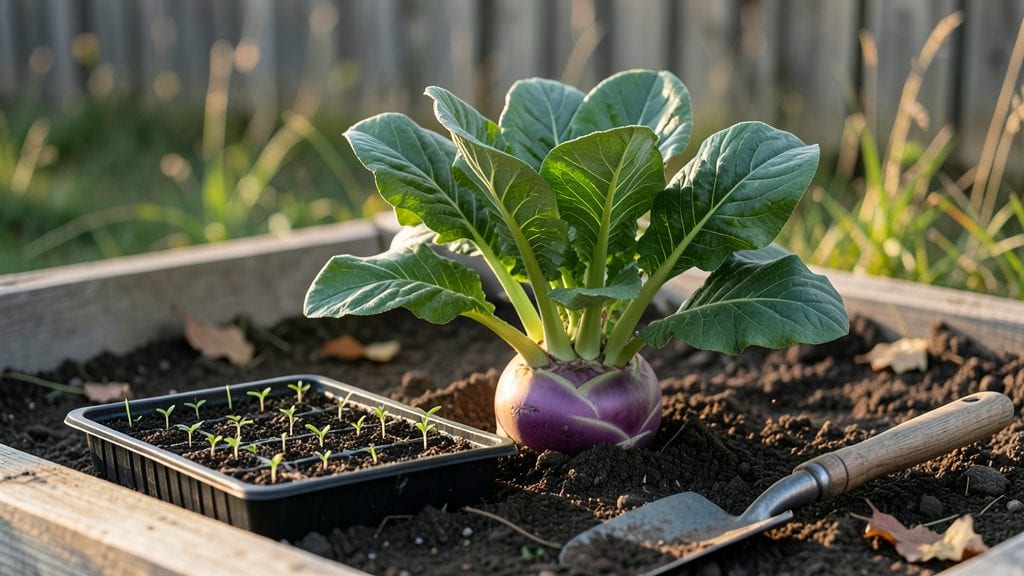
Planting kohlrabi seeds is one of those gardening wins that feels like cheating—fast germination, bushy plants, and a harvest in just 6-8 weeks. I’ve planted these seeds for years, and the trick isn’t some secret soil mix but timing, warmth, and a little patience.
The first time I saw those tiny leaves poking through the soil, I knew I was onto something special.
Start indoors 4-6 weeks before your last frost or direct-sow after soil reaches 50°F, using a light, well-draining mix. Plant seeds just ½ inch deep, 1 inch apart, and keep them moist but not soggy.
A clear plastic dome or row cover speeds up germination—sometimes in just 3-5 days. Thin seedlings to 6 inches apart once they’re a few inches tall, and watch those sturdy stems thicken into edible bulbs.
What you’ll end up with is a garden full of glossy, blue-green leaves and firm, sweet stems ready to harvest. The best part? No fuss—just consistent watering and a spot with full sun to partial shade.
Even my black thumb can’t kill these plants, and the harvest keeps coming if you pick regularly. The flavor? Crisp, slightly sweet, and perfect raw or lightly cooked.
Works in containers or in-ground beds, and thrives in cool weather—ideal for early spring or fall plantings. Here’s how to avoid the most common pitfalls and get those seeds sprouting like clockwork.
📚 In This Guide
- What you need
- Instructions
- Tips and common mistakes
- Wrapping up and next steps
What you need
- ● Kohlrabi seeds: Purchase organic, non-GMO seeds (e.g., 'Purple Vienna,' 'White Vienna,' or 'Kossak'). Aim for 10–20 seeds per plant (thin later to 1–2 strong seedlings per spot).
- ● Seed-starting soil or potting mix: 2–3 gallons of well-draining, sterile mix (look for seed-starting blends with perlite or vermiculite).
- ● Containers or seed trays: For direct sowing: A 12-inch-wide garden bed or 6-inch-deep containers (e.g., biodegradable pots).
- ● For indoor starts: 2–3 inch deep cell trays or 4–6 inch pots (1–2 seeds per cell/pot).
- ● Watering can or spray bottle: With a fine mist nozzle for gentle hydration.
- ● Garden gloves: To protect hands while handling soil/seeds.
- ● Garden trowel or small hand fork: For digging furrows or transplanting.
- ● Seedling heat mat (for indoor starts): Speeds germination in cool climates (70–80°F ideal).
- ● Grow lights: 12–16 hours/day for 6–8 inch seedlings before transplanting.
- ● Row covers or cloches: Protects seedlings from pests (e.g., flea beetles) or frost.
- ● Organic fertilizer: Balanced 5-5-5 or fish emulsion (diluted) for transplanting.
- ● Mulch (straw or grass clippings): Retains moisture and suppresses weeds.
- ● Plant markers: Label seeds with date planted and variety.
Step-by-Step instructions for planting kohlrabi seeds
Here’s my method for jumpstarting kohlrabi growth—fast germination and sturdy plants in just a few weeks.
Prepare the Soil for Optimal Germination
Kohlrabi thrives in loose, nutrient-rich soil with excellent drainage. Work the 3 gallons of potting mix or garden soil to a depth of 6 inches, breaking up any clumps. Amend with 1 cup of compost to boost fertility—this ensures roots develop quickly and evenly. Kohlrabi hates soggy conditions, so if your soil drains poorly, mix in 1 gallon of perlite to improve aeration.
Test moisture by squeezing a handful—it should hold together but not drip. If too dry, water lightly until the top 2 inches feel damp. The ideal planting temperature is between 60-70°F, so avoid planting in cold, wet soil. I always wait until the soil warms naturally in spring, usually by mid-April in most climates.
Sow Seeds at the Correct Depth and Spacing
Kohlrabi seeds are small but pack a punch—plant them ¼ inch deep in rows 12 inches apart. For 4 plants, space seeds 2 inches apart within the row. Use your finger to create small furrows, drop 2-3 seeds per spot, then cover lightly with soil. Press gently to ensure good seed-to-soil contact, but don’t compact it.
Water immediately after sowing with a fine mist to avoid displacing seeds. Kohlrabi germinates best in consistent moisture, so keep the soil evenly damp until sprouts appear—usually within 5-10 days. If planting in warm weather, a light row cover can help retain moisture and speed up germination.
Thin Seedlings for Stronger Growth
Once seedlings reach 2 inches tall, thin to 1 plant per 6-inch spacing—this prevents overcrowding and ensures each plant gets enough nutrients. Use scissors to snip unwanted seedlings at soil level rather than pulling, which can disturb roots. Kohlrabi bulbs swell best when they have room to expand, so don’t rush this step.
After thinning, water deeply to settle the soil around remaining plants. You’ll notice leaves turning darker green and stems thickening—this is your sign they’re establishing strong roots. If seedlings look leggy or pale, they need more light. Move them to a sunny spot with 6+ hours of direct light daily to prevent stretching.
Maintain Moisture and Fertility for Bulb Development
Kohlrabi bulbs form underground, so consistent moisture is key. Water 1 inch per week, more in hot weather, and always at the base to avoid wetting leaves. Mulch with 1 inch of straw to retain moisture and suppress weeds—this also keeps soil temperatures stable, which speeds up growth.
Feed plants with ½ cup of balanced fertilizer (10-10-10) when they’re 4 inches tall, then again when bulbs begin swelling. You’ll see the stems thicken and turn slightly purple—this is a good sign! Harvest when bulbs reach 2-3 inches in diameter, usually 50-60 days after sowing, before they become woody.
Tips & tricks for fast kohlrabi germination and growth
Fast germination and bushy growth start with these precise techniques—small details that make all the difference in your kohlrabi harvest.
Soil Temperature Secret: The 60-70°F soil temperature range in Step 1 is non-negotiable for fast germination. Use a soil thermometer to verify—cold soil slows growth dramatically. If your spring is late, consider a cold frame to warm the soil faster. Kohlrabi seeds won't germinate below 50°F, so don't rush planting until you hit that minimum.
Seed Depth Precision: That ¼-inch depth in Step 2 is critical—any deeper and seeds may rot; any shallower and they'll dry out. Use a ruler to measure if needed. For container planting, create small wells with your finger to ensure consistent depth across all seeds. This precision pays off when you see those first sprouts in just 5-10 days.
Thinning Technique: When thinning to 6-inch spacing in Step 3, use clean scissors to cut seedlings at soil level rather than pulling. This prevents disturbing the roots of remaining plants. I've found that seedlings often grow at different rates—wait until the smallest ones reach 2 inches before thinning to ensure you're not removing healthy competition too soon.
Moisture Management: The 1-inch weekly watering guideline in Step 4 is perfect for most climates, but adjust for your conditions. In hot weather, increase to 1.5 inches per week and water in the early morning to prevent evaporation. Always water at the base to avoid fungal issues on the leaves—this simple habit keeps your plants healthy and accelerates bulb development.
Pro Tips for Planting Kohlrabi Seeds
- Fast germination and bushy growth start with these precise techniques—small details that make all the difference in y...
- Soil Temperature Secret: The 60-70°F soil temperature range in Step 1 is non-negotiable for fast germination. Use a s...
- Seed Depth Precision: That ¼-inch depth in Step 2 is critical—any deeper and seeds may rot; any shallower and they'll...
Frequently asked questions
Got questions about planting kohlrabi seeds? You’re not alone! Here are some of the most common concerns—and their easy answers—to help you grow a thriving crop.
When is the best time to plant kohlrabi seeds?
Kohlrabi thrives in cool weather, so plant seeds 4–6 weeks before your last frost date in spring (around March–April in most regions) or 8–10 weeks before your first fall frost (August–September). Avoid planting in scorching heat—seeds may struggle to germinate, and plants can bolt (go to seed too quickly).
How long does it take for kohlrabi seeds to germinate?
Kohlrabi seeds typically sprout in 5–10 days under ideal conditions: soil temps between 45–85°F (7–29°C) and consistent moisture. Keep seeds moist (not soggy) and in partial shade until they emerge. If germination takes longer, check soil moisture and warmth—cool, dry soil can delay sprouting.
Can I plant kohlrabi seeds directly in the ground, or should I start indoors?
Direct sowing is easiest for kohlrabi! Plant seeds ½ inch deep in well-drained soil, spacing them 12–18 inches apart (they’ll need room to grow bushy). Starting indoors isn’t necessary unless you’re in a very short growing season—just transplant seedlings carefully to avoid disturbing roots.
What pests or diseases should I watch for when growing kohlrabi?
Kohlrabi can attract cabbage worms, flea beetles, and aphids. Use row covers early on to deter pests, and handpick worms if needed. For diseases, avoid overhead watering to prevent downy mildew. If leaves yellow or wilt, check for clubroot (a soil-borne disease)—rotate crops and amend soil with compost to improve drainage.
How do I know when kohlrabi is ready to harvest?
Harvest when the bulb (the edible part) is 2–3 inches wide and firm, usually 50–60 days after planting. Wait too long, and the bulb can become woody or bitter. For greens, you can snip outer leaves as needed—just leave the center intact so the plant keeps growing!
Wrapping up and next steps
Planting kohlrabi seeds is a rewarding experience—fast germination, bushy growth, and a delicious harvest make it a must-try for gardeners! With the right soil, spacing, and care, you’ll enjoy crisp, nutritious stems in just a few weeks.
Now that you’re equipped with tips and answers, why not grab those seeds and start growing? 🌱
Next steps:
- Mark your calendar for planting (early spring or late summer works best!).
- Check your local frost dates to time it perfectly.
- Share your progress with fellow gardeners—they’ll love seeing your kohlrabi thrive!