
Flowers
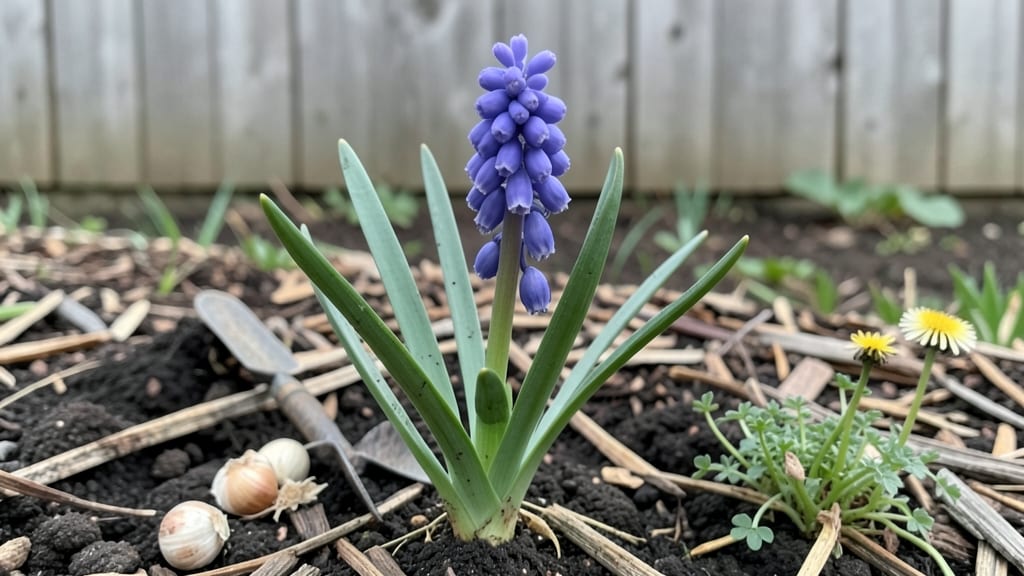
Planting grape hyacinths means waking up to neighborhood-jealousy purple carpets of blooms every spring—no matter how small your yard. I’ve turned my shady corner into a riot of color by treating these tiny bulbs like the low-maintenance superstars they are.
The secret isn’t fancy soil or constant watering; it’s getting them in the ground at the right time and depth, where they’ll naturalize like wildflowers.
You’ll need a partial-shade spot, loose soil with decent drainage, and a handful of bulbs—$10 gets you enough for a full border. Dig in 3 inches deep and 4 inches apart, then cover with a thin layer of mulch to keep weeds at bay.
Most gardeners mess up by planting too shallow or in heavy clay, which drowns the roots before they even sprout.
After planting, water once a week until the first green shoots appear in early spring. No fertilizer needed—they thrive on neglect, but a light scattering of compost in fall encourages bigger blooms next year. In just 4-6 weeks, you’ll have clusters of grape-sized flowers that hummingbirds can’t resist.
Once established, these bulbs multiply like crazy—divide clumps every 3-4 years to keep them vigorous. They’re perfect for under trees, along fences, or even in containers. Here’s how to make them a no-fuss, high-impact addition to your garden.
📚 In This Guide
- What you need
- Instructions
- Tips and common mistakes
- Wrapping up and next steps
What you need
- ● Grape hyacinth bulbs: 10–20 bulbs (depending on desired coverage; larger bulbs yield bigger blooms). Choose Muscari varieties like ‘Blue Spike’ or ‘Grape Hyacinth Blue’.
- ● Well-draining potting mix or garden soil: Amend heavy clay soil with compost (1 part compost to 3 parts soil) for optimal drainage.
- ○ Organic fertilizer (optional but recommended): A balanced 10-10-10 or bulb-specific fertilizer (e.g., Espoma Bulb-Tone) to boost early growth.
- ● Garden trowel or bulb planter: For digging holes with precision (6-inch depth is ideal).
- ● Measuring tape or ruler: To ensure bulbs are planted at the correct 3x depth (e.g., 6-inch-deep holes for 2-inch bulbs).
- ○ Gloves (optional): Protects hands from soil and sharp bulb edges.
- ● Watering can with a rose attachment: For gentle, deep watering post-planting.
- ● Sunlight: Full sun to partial shade (6+ hours of sun daily for best blooms).
- ● Planting timing: Fall (6–8 weeks before first frost) or early spring (after soil thaws).
- ● Location: Avoid low-lying areas where water pools (grape hyacinths hate soggy soil!).
Step-by-Step instructions for planting grape hyacinth
A few simple steps separate you from those stunning spring clusters—here’s how to plant grape hyacinth bulbs for maximum impact.
Choose the Right Location and Prepare the Soil
Grape hyacinth thrives in partial shade to full sun, but its deep purple blooms last longest in morning sun with afternoon shade—especially in hotter climates. I always test the spot by observing how long it stays moist; these bulbs despise soggy soil. If your garden drains poorly, amend the area with 2-3 inches of coarse sand or perlite mixed into the top 6 inches of soil to improve aeration.
Loosen the soil to a depth of 8-10 inches with a garden fork, breaking up any compacted layers. The goal is to create a loose, crumbly texture that encourages root penetration. Work in a handful of well-rotted compost (about 1 cup per square foot) to provide organic matter without overwhelming the bulbs with nitrogen, which can deter flowering. Smooth the surface with a rake, removing any rocks or debris that could impede bulb growth.
Plant Bulbs at the Correct Depth and Spacing
Grape hyacinth bulbs should be planted 6 inches deep—deeper than most spring bulbs—to protect them from heaving in freeze-thaw cycles. I use a bulb planter or a long-handled trowel to create holes spaced 3-4 inches apart in all directions. This close spacing ensures the dense, carpet-like effect that makes grape hyacinth so striking. If planting in containers, use a 6-inch-deep pot with drainage holes and plant 3-4 bulbs per container.
Place each bulb pointy side up—the roots will emerge from the flat bottom. Gently press the surrounding soil back into the hole, firming it lightly with your fingers. Avoid compacting too hard, as this can restrict root growth. Water the area immediately after planting to settle the soil and eliminate air pockets around the bulbs. The soil should feel moist but not waterlogged—think of a wrung-out sponge.
Mulch and Water for Establishment
Spread 2-3 inches of organic mulch (such as shredded bark or straw) over the planted area to insulate the bulbs during winter and retain moisture in spring. Mulch also suppresses weeds, which compete with grape hyacinth for nutrients. I always avoid heavy mulch like wood chips, as they can mat down and prevent water from penetrating the soil.
Water the newly planted bulbs deeply once a week during the fall and early winter, unless rainfall provides 1 inch of moisture. The bulbs need consistent moisture to develop strong roots before dormancy sets in. In spring, as shoots begin to emerge, increase watering to twice weekly—grape hyacinth is drought-tolerant once established, but it rewards you with bigger blooms if kept evenly moist during active growth. Stop watering once the foliage yellows and dies back in late spring.
Fertilize and Maintain for Next Year’s Blooms
After the flowers fade, allow the foliage to remain until it yellows naturally—this process feeds the bulb for next year’s blooms. Once the leaves turn brown, cut them back to 1-2 inches above the soil line with clean pruners. In early fall, about 6-8 weeks before the first frost, apply a low-nitrogen bulb fertilizer (such as a 5-10-10 formula) at the rate of 1 tablespoon per square foot. Lightly scratch it into the top 1-2 inches of soil and water thoroughly to activate it.
Grape hyacinth is remarkably low-maintenance, but I’ve found that dividing clumps every 3-4 years prevents overcrowding and ensures vibrant blooms. In early fall, dig up the bulbs, separate them gently, and replant the healthiest ones in fresh soil. Discard any soft or shriveled bulbs—they won’t rebloom well. With proper care, your grape hyacinth will multiply and naturalize, creating a stunning, low-growing ground cover that returns year after year.
Tips & tricks for planting grape hyacinth
These subtle adjustments will transform your grape hyacinth from a modest display into a jaw-dropping spring carpet of color.
Soil Texture is Everything: The 8-10 inch soil loosening in Step 1 isn't just about breaking up compacted layers—it's about creating a sponge-like environment where roots can breathe. I've seen grape hyacinth struggle in soil that's either too dense or too sandy. The key is that loose, crumbly texture that holds moisture without becoming waterlogged. If your soil feels like packing dirt after loosening, mix in an extra 1/2 cup of perlite per square foot to maintain that perfect aeration.
Depth Matters More Than You Think: Planting those bulbs 6 inches deep in Step 2 isn't arbitrary—it's about survival through freeze-thaw cycles. I learned this the hard way when my first batch heaved out of shallower soil during a particularly harsh winter. The deeper planting protects the bulb crown from freezing temperatures while allowing roots to spread comfortably. For containers, that 6-inch depth requirement means you'll need pots with at least 7-inch sides to accommodate both the bulb and root zone.
Watering Strategy for Maximum Impact: The once-weekly fall watering in Step 3 is crucial, but timing matters just as much as frequency. Water in the morning so the soil has all day to absorb moisture before evening evaporation. In spring, when you increase to twice-weekly watering, focus on deep watering—about 1 inch of water per session—to encourage roots to grow downward rather than staying shallow. The goal is to keep that soil consistently moist but never soggy, which is why I always check moisture by feeling the soil 2 inches down rather than just looking at the surface.
Fertilizer Timing is Critical: That 6-8 week window before frost for applying fertilizer in Step 4 is a narrow but perfect opportunity. The bulbs need time to absorb nutrients before dormancy sets in, but you don't want them to start growing too early. I've found that applying the fertilizer in early October (for most climates) gives bulbs just enough time to prepare for winter while avoiding any premature growth. The 1 tablespoon per square foot rate is ideal—too much nitrogen now can actually reduce flowering next spring.
Pro Tips for Planting Grape Hyacinth
- These subtle adjustments will transform your grape hyacinth from a modest display into a jaw-dropping spring carpet of color.
- Soil Texture is Everything: The 8-10 inch soil loosening in Step 1 isn't just about breaking up compacted layers—it's about creating a sponge-like environment where roots can breathe.
- Depth Matters More Than You Think: Planting those bulbs 6 inches deep in Step 2 isn't arbitrary—it's about survival through freeze-thaw cycles.
Frequently asked questions
Got questions about planting grape hyacinth? We’ve got answers! Whether you’re a first-time gardener or just want to refine your technique, these FAQs will help you grow lush, vibrant clusters of these cheerful blooms.
When is the best time to plant grape hyacinth bulbs?
Plant grape hyacinth bulbs in early fall (6–8 weeks before the first frost) for spring blooms. In warmer climates (zones 8–10), plant in late fall or winter. Avoid planting in summer—the bulbs need a chilling period to thrive. For containers, plant anytime, but keep them in a cool, dark place until spring.
How long does it take for grape hyacinth to bloom after planting?
With proper care, grape hyacinth typically blooms 4–6 weeks after the ground thaws in spring. Bulbs planted in fall may take slightly longer (up to 8 weeks) to push through soil and flower. Patience pays off—once they bloom, they’ll reward you with weeks of color!
Can grape hyacinth grow in full sun? What’s the ideal light?
Grape hyacinth thrives in partial shade (4–6 hours of sunlight daily) but tolerates full shade, especially in hot climates. In full sun, the foliage may scorch, and blooms could fade faster. For best results, plant them under trees or near north-facing walls where they get dappled light.
What do I do if my grape hyacinth bulbs aren’t blooming?
No blooms? Check these fixes:
- Not enough sunlight: Move to a brighter spot (but avoid harsh afternoon sun).
- Overcrowding: Dig up and separate bulbs if they’re too close (plant 2–3 inches apart).
- Poor soil: Amend with compost for better drainage and nutrients.
- Too much fertilizer: Skip high-nitrogen feeds—these bulbs prefer lean soil.
Are grape hyacinth toxic to pets or kids?
Yes! Grape hyacinth (Muscari) contains alkaloids that are toxic if ingested, causing nausea, vomiting, or drooling in pets and children. Plant them in pet-safe areas or opt for non-toxic alternatives like crocus or snowdrops if you have curious furry (or tiny) friends.
Wrapping up and next steps
Planting grape hyacinths is a rewarding way to welcome vibrant spring blooms with minimal effort! These cheerful, low-maintenance bulbs thrive in well-drained soil and partial shade, offering bursts of color from early spring to late winter.
Whether you're a beginner or a seasoned gardener, their resilience and striking clusters make them a must-have for any garden.
Ready to transform your space? Grab your bulbs, pick a sunny spot, and get planting! Once your grape hyacinths are settled, sit back and enjoy the show—your future spring garden will thank you. 🌸