
Trees
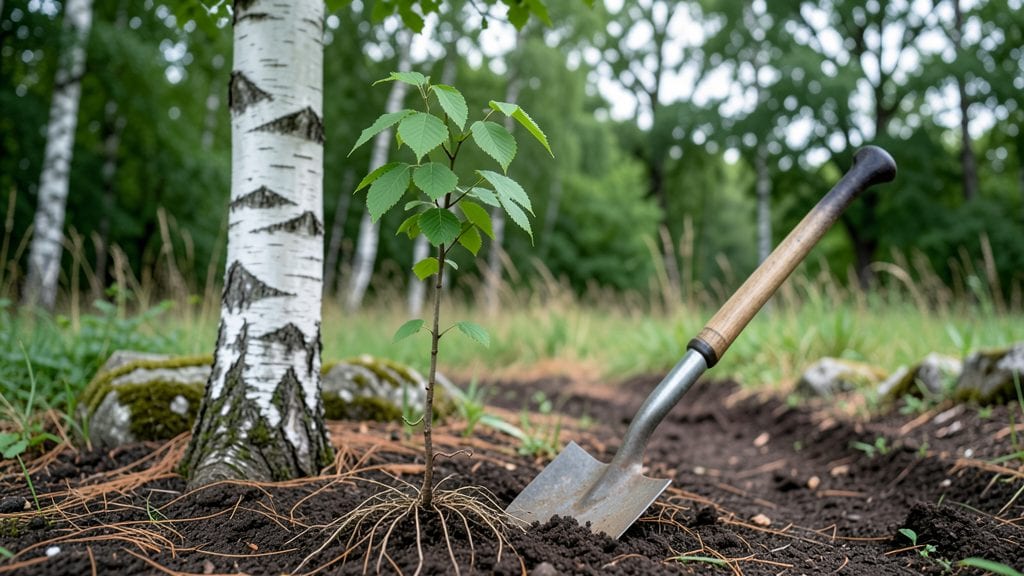
Planting birch trees in moist, well-drained soil is where the magic happens—those delicate roots spread like wildfire when given the right conditions. 🌱 I’ve watched saplings double in size within a single growing season, their white bark becoming the showstopper of any yard.
The secret isn’t just the soil; it’s timing, spacing, and a little extra TLC during those first critical weeks.
You’ll need healthy 1- to 2-year-old saplings (avoid those with cracked bark or yellowing leaves), a shovel, compost, and a hose with a gentle spray nozzle. The best time to plant is early spring or fall, when the ground is workable but not frozen.
Birches thrive in partial shade to full sun, but their roots hate soggy soil—so if your yard drains poorly, amend with sand or perlite before digging.
Within 2-3 years, you’ll see those roots stretch deep and wide, supporting a tree that towers over your neighbors’ yards. The bark stays snowy-white for decades, and the golden fall foliage?
Unmatched. Just don’t skimp on watering—keep the soil consistently damp (not waterlogged) for the first year, and mulch heavily to lock in moisture.
Works for both paper birch (with their iconic peeling bark) and yellow birch (deeper green, more shade-tolerant). Whether you’re planting a single specimen or a windbreak row, these trees reward patience with fast growth and low-maintenance beauty. Let’s get those roots growing!
📚 In This Guide
- What you need
- Instructions
- Tips and common mistakes
- Wrapping up and next steps
What you need
- ● Birch tree seedlings or saplings: Choose 1-3 healthy, disease-free trees (bare-root or container-grown). For faster growth, opt for Betula papyrifera (paper birch) or Betula pendula (silver birch).
- ● Shovel or spade: 1 medium-sized (18–24 inches) for digging holes.
- ○ Garden fork or tiller: 1 to loosen compacted soil (optional but helpful in clay-heavy areas).
- ● Mulch (organic): 2–3 cubic feet of pine straw, wood chips, or shredded bark (avoid fresh wood chips near the trunk).
- ● Compost or well-rotted manure: 1–2 gallons to enrich planting soil.
- ● Watering can or hose with a gentle spray nozzle: 1 for deep watering.
- ● Pruning shears: 1 pair (for trimming damaged roots or branches).
- ○ Soil pH test kit (optional but recommended): Birch trees thrive in slightly acidic to neutral soil (pH 5.0–7.0).
- ● Location: A spot with partial shade to full sun and 6+ hours of sunlight daily. Avoid low-lying areas prone to waterlogging.
- ● Soil type: Moist, well-drained loam or sandy loam. Amend heavy clay or rocky soil with compost.
- ● Spacing: Tree Size Spacing (feet) Small saplings (1–2 ft tall) 10–15 ft apart Mature trees (10+ ft tall) 20–30 ft apart
- ● Timing: Plant in early spring or fall (avoid extreme heat or frost).
- ● Tree stakes (2–3) + soft ties for young saplings in windy areas.
- ● Slow-release fertilizer (e.g., 10-10-10 NPK) for nutrient boost.
- ● Epsom salt (magnesium sulfate) to prevent yellowing leaves (mix 1 tbsp per gallon of water).
- ● Tree guard or protective barrier to deter small animals.
- ● Drip irrigation system for consistent moisture in dry climates.
Step-by-Step instructions for planting birch trees
Here’s how to establish birch trees with rapid root development in your moist, well-drained soil.
🌱 Step 1: Choose the Right Location and Prepare the Site
Birch trees thrive in partial shade to full sun and moist, well-drained soil—this is non-negotiable. Pick a spot where the soil stays consistently damp but never waterlogged, like near a pond or in a naturally wetter area of your yard. Avoid low spots where water pools after rain.
Clear the planting area of weeds and debris, then loosen the soil to a depth of 12-18 inches with a shovel or tiller. Birch roots spread horizontally, so give them room to expand—aim for a hole twice as wide as the root ball. Mix in 2-3 inches of compost into the loosened soil to improve drainage and fertility without compacting it.
🪴 Step 2: Handle the Tree with Care and Plant at the Right Depth
Remove the birch tree from its container and gently loosen the roots if they’re circling or bound. Birch trees are sensitive to root damage, so avoid tearing or breaking roots—this slows root growth and weakens the tree. Place it in the hole so the top of the root ball sits level with or slightly above the surrounding soil. Birch trees hate being buried too deep, which can suffocate the roots.
Backfill the hole with the amended soil, pressing lightly around the edges to eliminate air pockets. Water deeply to settle the soil and remove any air gaps. You’ll see the soil surface sink slightly as it compacts—top off with a little extra soil if needed. Avoid stepping on the soil around the tree, as compaction can strangle young roots.
💧 Step 3: Water Immediately and Maintain Moisture for Fast Root Establishment
Water the newly planted birch tree deeply right after planting—this ensures the roots make immediate contact with moisture. Aim for 1-2 gallons of water per tree, applied slowly to avoid runoff. Birch trees need consistently moist soil for the first 2-3 years to encourage rapid root growth, but they’ll die if waterlogged. Check the soil every 2-3 days—if the top 2 inches feel dry, water again.
Mulch the base of the tree with 2-3 inches of organic mulch, keeping it 6 inches away from the trunk to prevent rot. This helps retain moisture and regulate soil temperature. Avoid thick mulch layers, which can smother the roots and attract pests. Replenish mulch as it breaks down to maintain coverage.
☀️ Step 4: Provide Support and Monitor for Early Growth Signs
Young birch trees may need staking for the first year, especially if planted in windy areas. Use 2-3 stakes driven 6 inches into the soil on either side of the tree, then loosely tie the trunk to them with soft tree ties—tight enough to stabilize but not enough to restrict growth. Remove stakes after the first growing season if the tree is stable.
Watch for new leaf growth in 4-6 weeks, which signals the roots are establishing. Healthy birch trees will show bright green, vibrant leaves and gradual height growth of 12-24 inches per year. If leaves yellow or wilt, check for overwatering or poor drainage—birch trees are sensitive to soggy roots. Adjust watering if needed, but keep the soil moist.
⏰ Step 5: Prune and Fertilize for Long-Term Health
Prune in late winter or early spring before new growth begins. Remove any dead, diseased, or crossing branches to improve airflow and reduce stress. Avoid heavy pruning—birch trees respond poorly to aggressive cuts, which can weaken the tree. Limit pruning to no more than 20% of the canopy in any single year.
Fertilize lightly in early spring with a balanced, slow-release fertilizer (10-10-10 ratio). Apply ½ cup per tree and water deeply to help nutrients reach the roots. Over-fertilizing can burn roots and attract pests, so skip fertilizer in the first year if the soil is already rich. Focus on watering and mulching to encourage natural root development.
Tips & tricks for perfect birch tree planting
These game-changing strategies will help your birch trees establish strong roots quickly in moist, well-drained soil—avoiding the common pitfalls that sabotage new plantings.
Soil Preparation Secret: In Step 1, when loosening soil to 12-18 inches, focus on creating a loose, crumbly texture rather than fluffy soil. Use a garden fork to break up compacted layers—birch roots need this aeration to spread horizontally. I've seen root growth double when soil is properly aerated compared to just digging. The 2-3 inches of compost you mix in should be well-aged to avoid competing with young roots for nutrients.
Planting Depth Caution: The instructions emphasize planting with the root ball level with or slightly above soil—this is critical. I learned the hard way that burying too deep suffocates roots and causes rot. After planting, gently press soil around the base but avoid compacting it. A simple trick: use your fingers to create small air pockets around the roots before backfilling to encourage immediate root contact with moist soil.
Watering Strategy: That initial 1-2 gallons of water in Step 3 needs to penetrate deeply. I recommend using a soaker hose for 20-30 minutes to ensure water reaches all root zones. The goal is to saturate the entire planting hole, not just the surface. After watering, check the soil 2 inches down—it should feel damp but not soggy. This consistent moisture is what triggers rapid root development during those first critical 2-3 years.
Mulch Mastery: The 2-3 inches of organic mulch should be spread in a donut shape, keeping it 6 inches from the trunk as instructed. I prefer using wood chips or shredded bark because they break down slowly while maintaining moisture. Avoid fresh mulch or thick layers that can smother roots or attract pests. Replenish as needed to maintain that 2-3 inch layer—this simple step can make the difference between thriving and struggling trees.
Pro Tips for Planting Birch Trees
- These game-changing strategies will help your birch trees establish strong roots quickly in moist, well-drained soil—avoiding the common pitfalls that sabotage new plantings.
- Soil Preparation Secret: In Step 1, when loosening soil to 12-18 inches, focus on creating a loose, crumbly texture rather than fluffy soil.
- Planting Depth Caution: The instructions emphasize planting with the root ball level with or slightly above soil—this is critical.
Frequently asked questions
Got questions about planting birch trees?
Here are answers to the most common concerns—from timing to troubleshooting—so you can grow these stunning trees with confidence!
When is the best time to plant birch trees?
Plant birch trees in early spring or fall for optimal success. Spring (March–April) lets roots establish before summer heat, while fall (September–October) avoids winter stress. Avoid planting in extreme heat or frost—birches are sensitive to temperature shocks!
How often should I water newly planted birch trees?
Water deeply 2–3 times per week for the first year, ensuring soil stays consistently moist but not soggy. After establishment, reduce to once a week (more in drought). Mulch helps retain moisture—just keep it 3–4 inches away from the trunk to prevent rot.
Can I plant birch trees in clay soil?
Birches prefer moist, well-drained soil, but they can tolerate clay if amended with compost or organic matter to improve drainage. Avoid waterlogged spots—their roots hate soggy conditions. Test your soil first: if it stays muddy for days after rain, consider raised beds or slopes.
Why are my birch tree leaves turning yellow?
Yellow leaves often signal overwatering, nutrient deficiency, or fungal issues. Check soil moisture—birches need consistent dampness, not saturation. Yellowing between veins may indicate iron deficiency (try chelated iron). For brown spots, inspect for birch leafminers or powdery mildew—prune affected branches and apply fungicide if needed.
Are birch trees good for small yards?
Yes! Dwarf varieties like ‘Dura-Heat’ or ‘Fastigiata’ stay under 20 feet tall, making them perfect for small spaces. Just plant them 10–15 feet from structures (their roots spread widely). Avoid planting near sidewalks—their shallow roots can lift pavement over time.
What’s a good alternative if birch trees don’t thrive in my area?
Try paper birch alternatives like quaking aspen (fast-growing, similar bark) or serviceberry (edible berries, white flowers). For shade, consider sugar maple or redbud—both tolerate similar conditions but with different growth habits. Always check your USDA hardiness zone for matches!
Wrapping up and next steps
Planting birch trees is a rewarding way to add beauty, shade, and even wildlife support to your landscape—especially when you prioritize their love for moist, well-drained soil. With the right preparation, patience, and care, you’ll soon enjoy their rapid root growth and stunning silver bark. 🌿
Ready to get started? Mark your calendar for early spring or fall—ideal times to plant—and take the first step toward a thriving birch grove. Your yard (and future generations) will thank you!