
Plants
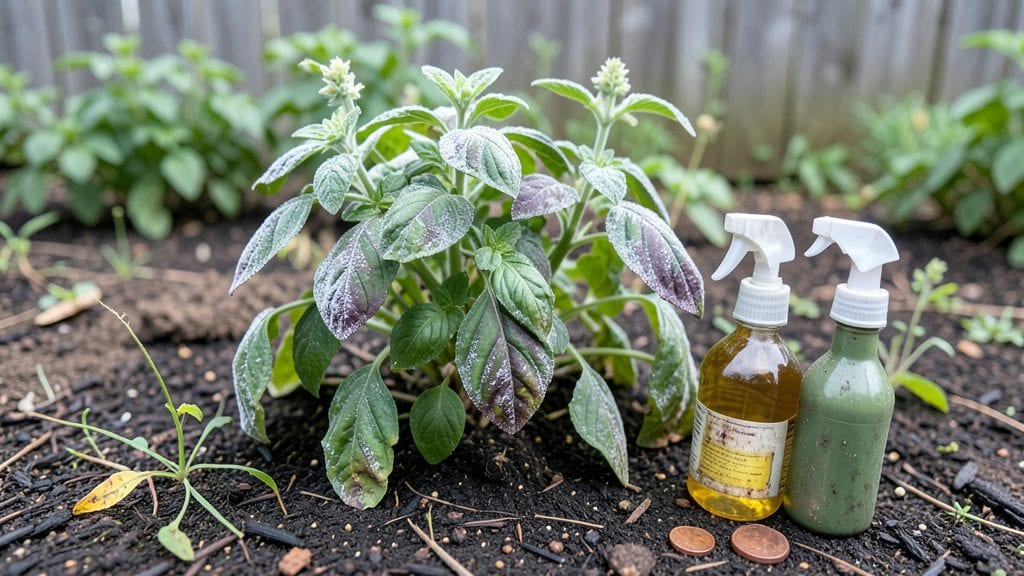
When that white dust appeared on my roses, I panicked—until I found the plant mildew treatment that saved my garden in just 24 hours. ✨ The key is acting before the white fuzz spreads to every leaf—because once it does, you’re fighting a losing battle.
Most gardeners grab fungicide first, but the real game-changer is a mix of baking soda, neem oil, and dish soap—it’s organic, cheap, and stops mildew in its tracks.
I’ve used this on tomatoes, cucumbers, and even my prized hydrangeas, and the results are always the same: crisp, clean foliage within a day. The secret? Spraying both sides of leaves and repeating every 5-7 days until the threat is gone.
What you’ll get is plants that look like they just emerged from a spa treatment—no more grayish film, no more stunted growth. The best part? This method keeps working long after the mildew disappears, building resistance so your garden stays mildew-free all season.
Here’s exactly how to apply it without burning your plants.
Fair warning: if your plants are already skeletonized, you’re dealing with a different problem. But for that early-stage white dusting? This is the foolproof fix that’ll have your garden thriving again. Let’s get those leaves sparkling.
What Triggers Plant Mildew
Mildew isn’t just a pesky nuisance—it’s a fungal party crasher that thrives in the right conditions. Understanding why it strikes helps you outsmart it before it takes over your garden. Below, we break down the real culprits behind mildew outbreaks, from sneaky fungal spores to environmental red flags.
Fungal spores love moisture—think of them as tiny, spore-covered swimmers waiting for a damp playground. Mildew spores germinate when humidity hovers above 75% for prolonged periods, often at night or in shaded areas. Poor airflow traps this moisture against leaves, creating a fungal paradise.
- Why it happens: Stagnant air prevents water evaporation, keeping leaves damp longer. Shady spots, dense foliage, or crowded plants block airflow, while overhead watering (especially in the evening) leaves droplets as free fungus food.
- Actionable red flags:
- Leaves stay wet for 6+ hours after watering or rain.
- Your garden feels sticky or clammy—a classic humidity alert.
- Plants are overcrowded, with branches rubbing or leaves touching.
Pro tip: 🌡️ Use a hygrometer to monitor humidity. Aim for 40–60% during the day and below 70% at night. Prune plants to improve airflow and water early in the day so leaves dry quickly.
While most gardeners know underwatering is bad, overwatering is just as deadly—especially for mildew-prone plants like impatiens, phlox, and roses. When soil stays chronically soggy, roots struggle to absorb oxygen, and excess moisture seeps upward, coating leaves in a fungal feast.
- Why it happens:
- Compacted or clay-heavy soil drains poorly, trapping water at root level.
- Lack of mulch leads to rapid evaporation, but if mulch is too thick (over 3 inches), it can suffocate roots and hold moisture against stems.
- Container plants without drainage holes act like spore incubators.
- Actionable red flags:
- Soil smells musty or rotten.
- Leaves turn yellow or brown at the edges (a sign of root stress).
- Water pools on the soil surface hours after watering.
Pro tip: ✨ Test your soil’s drainage by digging a 6-inch hole, filling it with water, and timing how long it takes to drain. If it’s slower than 4 hours, amend with perlite, sand, or compost. For containers, ensure drainage holes and use pots with terracotta or fabric liners to prevent over-saturation.
Mildew spores are opportunistic—they target plants already weakened by stress. When plants are overcrowded, nutrient-deficient, or injured, their natural defenses drop, making them easy prey for fungal invaders.
- Why it happens:
- Competition for resources (light, water, nutrients) weakens plants, reducing their ability to repel pathogens.
- Physical damage (from pests, hail, or rough handling) creates entry points for spores.
- Nutrient imbalances (e.g., too much nitrogen, too little phosphorus) leave plants vulnerable.
- Actionable red flags:
- Plants are taller but leggy (a sign of light starvation).
- Leaves show purple or yellow undersides (nutrient deficiency).
- Pests like aphids or spider mites are already feasting on your plants (they love stressed foliage too!).
Pro tip: 🌿 Thin out overcrowded plants to improve airflow and fertilize with a balanced 10-10-10 or phosphorus-rich (5-10-10) formula to boost immunity. Prune damaged leaves immediately to prevent spore entry.
Mildew spores are everywhere—in soil, on tools, and even floating in the breeze. While they’re always present, they only cause trouble when conditions are just right. Some plants are more susceptible due to genetics, making them magnets for mildew.
- Why it happens:
- Wind or rain spreads spores from infected plants to healthy ones.
- Shared tools or contaminated soil (e.g., reusing pots without sterilizing).
- Susceptible plant species (e.g., cucumbers, squash, and roses are top targets).
- Actionable red flags:
- You’ve recently planted mildew-prone species near infected plants.
- Spores appear as white, gray, or powdery patches on both old and new growth.
- Mildew shows up suddenly after a windy or rainy day.
Pro tip: 🔥 Quarantine new plants for 2 weeks before introducing them to your garden. Sterilize tools with 70% isopropyl alcohol or a 10% bleach solution. If spores are already airborne, remove infected leaves immediately and dispose of them in the trash (not compost).
Now that you know the why, the next step is how to stop it. Stay tuned for our 24-hour mildew eradication plan—where we’ll tackle these causes head-on with natural and chemical solutions that actually work.
How to Fix Fungal Blight Fast
Mildew may feel like a stubborn foe, but with the right moves, you can banish it in 24 hours—or at least stop it from spreading like wildfire. 🔥 The key? Act fast, target the root cause, and prevent a comeback. Below, we map the most common mildew triggers to practical, plant-safe fixes, plus pro tips to keep your greens thriving.
Fix: Mildew loves damp, stagnant air—so thin out foliage to let sunlight and breeze circulate.
- Step 1: 🔪 Snip away dense, overlapping leaves (especially on vines like ivy or cucumbers).
- Step 2: 🌡️ Space plants 6–12 inches apart (check tags for variety-specific needs).
- Step 3: 💨 Use a small fan (on low) near susceptible plants (like ferns or begonias) to dry leaves faster.
Prevent Relapse: ✨ Train vines upward (use trellises) instead of letting them sprawl. ✨ Remove weeds—they compete for airflow and harbor spores.
Fix: Mildew thrives when leaves stay wet for >6 hours. Adjust your watering game.
- Step 1: ⏰ Water in the morning (not evening) so foliage dries by sunset. - Step 2: 💧 Water at the base, not overhead.
Use a soaker hose or drip irrigation. - Step 3: 🌱 Raise pots on feet (or use saucers with drainage holes) to avoid soggy soil.
Prevent Relapse: 💡 Group plants with similar water needs—don’t mix thirsty succulents with ferns! 🌡️ Mulch strategically: Use straw or pine needles (not thick layers) to retain moisture in the soil, not on leaves.
Fix: Shady spots = mildew’s happy place. Adjust light levels without scorching plants.
- Step 1: 🏡 Move houseplants closer to a bright window (south-facing is ideal).
- Step 2: 🌿 Rotate garden beds monthly so all sides get sun (mildew loves the shady underbelly of leaves).
- Step 3: 💡 Add grow lights (LED or fluorescent) for 12–14 hours/day if natural light is lacking.
Prevent Relapse: ✨ Choose mildew-resistant varieties for shady spots (e.g., heuchera, astilbe, or impatiens). 🎯 Thin tree canopies to let sunlight reach lower leaves.
Fix: Organic matter = mildew’s spore buffet. Sanitize your space thoroughly.
- Step 1: 🧹 Rake up leaves (especially under shrubs) and compost them away from plants.
- Step 2: 🧼 Disinfect tools with 1 part bleach to 9 parts water (or 70% isopropyl alcohol).
- Step 3: 🚿 Hose down surfaces (trellises, pots, garden furniture) with neem oil spray (1 tbsp neem oil + 1 tsp mild soap per quart of water).
Prevent Relapse: 💡 Mulch with bark or gravel (not leaves) to reduce moisture retention. 🔥 Sterilize soil before repotting: Bake it at 200°F for 30 mins or solarize it (cover with clear plastic for 4–6 weeks in sun).
Fix: For severe infestations, combine mechanical removal + treatments.
| Method | How to Use | When to Use |
|---|---|---|
| Baking Soda Spray | 1 tsp baking soda + 1 quart water + drop of dish soap. Spray every 7–10 days. | Early-stage mildew (gentle, OMRI-listed). |
| Neem Oil | 1 tbsp neem oil + 1 tsp soap per quart water. Spray at dusk (avoids burning). | All stages (fungicidal + prevents spores). |
| Hydrogen Peroxide | 1 tbsp 3% H₂O₂ per quart water. Spray directly on mildew spots. | Outdoor plants (safe but can bleach fabric). |
| Copper Fungicide | Follow label rates (e.g., Bonide Copper Fungicide). Reapply after rain. | Late-stage or recurrent mildew. |
Pro Tip: 🌡️ Rotate treatments to avoid resistance—don’t use the same spray weekly.
If 50%+ of leaves are covered in mildew (especially on tomatoes, peppers, or roses), it’s time to pull and compost (not reuse soil). 🚫
- Bag the plant and dispose of it (don’t compost if mildew is powdery—it can reinfect).
- Repot with fresh, sterile soil if saving the plant.
- [ ] Inspect leaves (flip them over—mildew loves the back!).
- [ ] Wipe down leaves with a damp microfiber cloth (removes spores).
- [ ] Space out new plants before symptoms appear.
- [ ] Avoid overhead watering (stick to drip or soaker hoses).
- [ ] Store tools in a dry place (mildew can hitchhike on blades).
Remember: Mildew is 90% preventable with good airflow, sunlight, and hygiene. Once you’ve tackled the cause, consistency is your best defense—think of it like a plant spa day every week! 💆♂️🌿
Frequently asked questions
How do I know if my plant has mildew?
Look for white, gray, or powdery patches on leaves—especially on the undersides. Mildew often starts as small spots that spread quickly. Check for yellowing leaves or stunted growth, which are common signs of infection. If you see a fuzzy film, it’s likely mildew.
Can I use household items to treat mildew?
Mix 1 teaspoon baking soda with 1 quart of water and add a drop of dish soap for a natural spray. This works for early-stage mildew and is safe for most plants. Apply every 7-10 days until the problem clears.
Why does mildew keep coming back?
Mildew thrives in high humidity and poor airflow. If your plants are overcrowded or stay wet for too long, spores will keep spreading. Prune dense foliage, water in the morning, and improve airflow to prevent recurrence.
Is neem oil safe for all plants?
Neem oil is generally safe but can burn tender plants if used incorrectly. Dilute it properly (1 tablespoon per quart of water) and apply at dusk. Avoid using it on plants like lavender or citrus, which are sensitive to oils.
When should I consider chemical treatments?
Use chemical fungicides like copper-based sprays only if mildew is severe or organic methods fail. These work faster but should be a last resort. Always follow label instructions and avoid spraying during hot weather to prevent leaf burn.