
Diseases
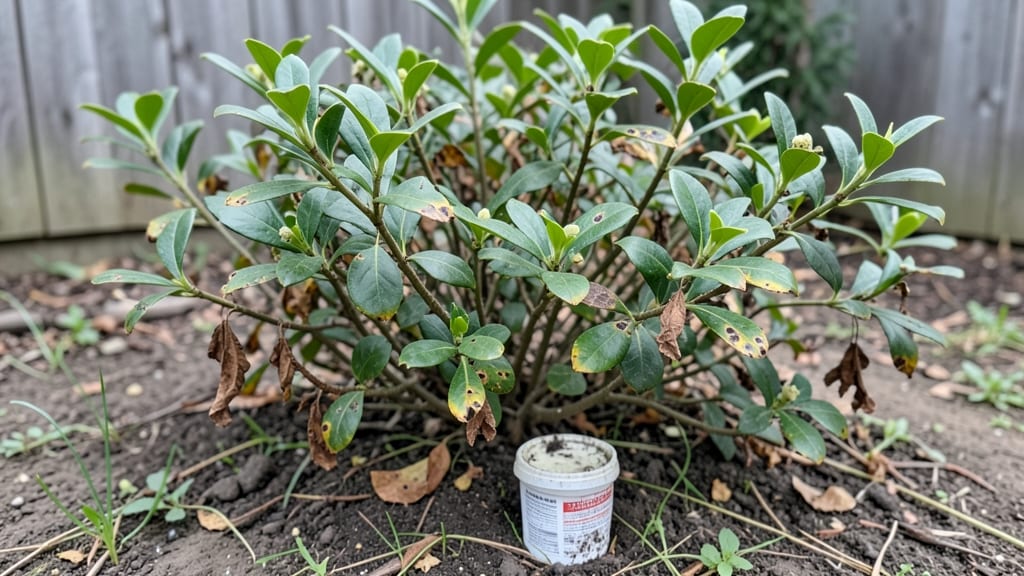
Boxwood plant diseases can turn your manicured shrubs into a sad, brown mess if you don’t catch them early. 🌿 I’ve seen healthy boxwoods go from glossy green to skeletal in just a few weeks—usually because the classic symptoms (leaf spots, dieback, or that weird gray fuzz) were ignored until it was too late.
The good news? Most of these issues have clear fixes once you know what to look for.
The two biggest culprits are fungal infections like boxwood blight and bacterial leaf spot, both of which thrive in damp, shady conditions. Poor airflow, overwatering, or old mulch piled too close to the stems create the perfect storm for spores to take hold.
I learned the hard way that skipping winter cleanup or ignoring those first few brown leaves can turn a small problem into a full-blown crisis by spring.
With the right approach—pruning for airflow, applying copper fungicide at the first sign of trouble, and adjusting watering habits—you can save even severely affected plants. The key is acting fast and staying consistent.
By the time you spot the first symptoms, you’ll already have a plan to stop the spread and nurse your boxwoods back to health.
This works for both formal hedges and single specimen plants, and the techniques scale whether you’ve got one boxwood or a whole border. Let’s get those shrubs looking sharp again—before the next round of spores shows up.
Understanding the Root Causes
Boxwood plants, with their lush green foliage and elegant shape, are a garden staple—but they’re also prime targets for fungal and bacterial invaders. The health of your boxwoods can take a nosedive due to a mix of environmental stressors, poor cultural practices, and biological threats.
Let’s break down the why behind these common diseases, so you can take action before they strike.
Boxwoods thrive in well-draining soil, but when roots sit in soggy conditions, they become vulnerable to fungal infections like box blight (Calonectria pseudonaviculata) and root rot (Phytophthora spp.). Here’s why:
- Fungal Feast: Excess moisture creates the perfect breeding ground for pathogens.
Fungi like Phytophthora release spores that infect roots, cutting off water and nutrient uptake. - Oxygen Deprivation: Waterlogged soil starves roots of oxygen, weakening the plant’s defenses and making it easier for diseases to take hold. - pH Imbalance: Poor drainage often goes hand-in-hand with compacted or alkaline soil, which further stresses boxwoods and lowers their resistance.
Actionable Fix: Test your soil’s drainage—if water pools after 6 hours, amend with organic matter (compost, perlite, or sand). Elevate beds slightly or install French drains in soggy areas.
Boxwoods are especially susceptible to foliar diseases when humidity lingers. Fungi like Cylindrocladium (causal agent of cylindrocladium blight) and Volutella (linked to Volutella blight) thrive in high humidity (above 75%) and poor air circulation.
- Spores Spread Easily: Fungal spores float in damp air, landing on leaves and stems.
Once they germinate, they create lesions that expand rapidly in warm, wet weather. - Stunted Growth: Infected plants may develop brown, dead patches or dieback, as fungi block nutrient flow in the vascular system. - Older Plants at Risk: Mature boxwoods with dense foliage trap moisture, creating microclimates that accelerate fungal growth.
Actionable Fix:
- Space plants 3–4 feet apart for airflow.
- Water at the base (avoid overhead sprinkling).
- Prune for sunlight penetration—thin out crowded branches.
Bacterial diseases like boxwood bacterial leaf scorch (Xylella fastidiosa) don’t just appear—they hitchhike in through injuries. Here’s how:
- Pruning Cuts: Jagged or improper cuts leave open wounds where bacteria can enter the vascular system, clogging water transport.
- Insect Damage: Sap-sucking pests (like boxwood leafminers or scale insects) create entry points for bacteria.
- Tools & Hands: Contaminated pruners or gloves can spread bacteria from plant to plant.
Actionable Fix:
- Sterilize tools with 70% isopropyl alcohol between cuts.
- Make clean cuts at a 45-degree angle (1/4" above a bud).
- Monitor for pests—treat infestations early with neem oil or horticultural oil.
Boxwoods under stress—whether from nutrient deficiency, over-fertilization, or extreme temperatures—weaken their immune response, making them easy targets.
- Nitrogen Burn: Too much fertilizer (especially high-nitrogen blends) can scorch roots, leaving them susceptible to rot.
- Winter Burn: Cold, dry winds desiccate leaves, creating entry points for pathogens.
- Transplant Shock: Recently moved boxwoods are highly vulnerable to diseases like boxwood gall (Pseudonocardia) due to disrupted root systems.
Actionable Fix:
- Fertilize in early spring with a balanced 10-10-10 formula.
- Mulch heavily (3–4 inches) to protect roots in winter.
- Avoid transplanting in extreme heat or cold—choose cool, overcast days.
Dense plantings and neglected garden hygiene amplify disease spread. Here’s how:
- Splashing Water: Overhead irrigation splashes spores from soil onto leaves, accelerating infections.
- Debris Buildup: Fallen leaves or clippings harbor fungi and bacteria, reinfecting healthy plants.
- Infected Clones: Propagating from diseased cuttings spreads pathogens to new plants.
Actionable Fix:
- Remove and dispose of infected leaves/clippings (don’t compost them).
- Clean up fallen debris regularly.
- Use drip irrigation to avoid leaf wetness.
Some diseases are regional hotspots due to:
- Warm, Humid Climates: Southern U.S. gardens see more Volutella blight and anthracnose.
- Coastal Areas: High salinity or Phytophthora in sandy soils increases rot risk.
- Urban Pollution: Ozone and smog weaken boxwoods, making them prone to leaf spot diseases.
Actionable Fix:
- Choose disease-resistant cultivars (e.g., ‘Green Velvet’ for blight resistance).
- Adjust watering based on local climate (morning watering in humid areas).
- Test soil for salinity or pH imbalances and amend as needed.
Pro Tip 💡: Early detection is key—inspect boxwoods weekly for discolored leaves, wilting, or fungal growth. Catch diseases before they spread!
Quick Fixes for Boxwood Blight
When your boxwoods show signs of stress—whether it’s leaf spots, wilting, or mysterious dieback—acting fast is key. Below, we map the most common boxwood diseases to practical, step-by-step solutions, plus prevention tips to keep your shrubs thriving. Think of this as your emergency repair guide for ailing boxwoods!
Fungal diseases like Cylindrocladium (boxwood blight) and Anthracnose thrive in damp, shaded conditions. Here’s how to stop the spread and revive your plants:
🔥 Step 1: Prune Infected Areas Immediately
- ✂️ Cut out all diseased stems, leaves, and branches—at least 6 inches below the visible damage—to prevent spores from lingering.
- 🧹 Bag and dispose of pruned material in the trash (not compost).
Fungal spores can survive in soil! - 🌿 Thin out dense foliage to improve airflow—fungi love crowded, humid spots.
🍳 Step 2: Apply Fungicidal Treatments
- 💊 Systemic fungicides (like propiconazole or chlorothalonil) work best when applied at first sign of infection and repeated every 7–14 days for 3–4 weeks.
- 🌿 Organic options: Copper fungicide sprays or neem oil (mix 1 tbsp neem oil + 1 tsp mild soap per quart of water) can help, but they’re less effective in severe cases.
- 🌧️ Timing matters: Apply fungicides before rain or in the early morning to avoid washing off.
👨🍳 Step 3: Adjust Care for Recovery
- 💧 Water at the base (avoid overhead sprinkling) to keep leaves dry.
- ☀️ Increase sunlight: Move boxwoods to sunnier spots if possible—fungi thrive in shade.
- 🌱 Fertilize lightly: Use a balanced, slow-release fertilizer (10-10-10) to boost plant vigor, but avoid high-nitrogen fertilizers, which encourage soft, fungus-prone growth.
💡 Prevention Tips for Next Season
- 🌡️ Plant in well-draining soil—waterlogged roots invite fungal infections.
- ✨ Space plants 3–4 feet apart to reduce humidity in the canopy.
- 🎯 Mulch properly: Use 2–3 inches of organic mulch (like pine straw) but keep it 6 inches away from the stem to prevent moisture buildup.
- 🔄 Rotate fungicides if you use them yearly to avoid resistance.
Bacterial diseases like Pseudomonas syringae (leaf gall) or Xanthomonas campestris (bacterial leaf spot) cause oozing lesions, wilting, and stunted growth. Unlike fungi, bacteria can’t be cured—only managed.
🔪 Step 1: Remove and Destroy Infected Parts
- 🗑️ Prune out all infected leaves, stems, and branches—sterilize pruners with 70% rubbing alcohol between cuts.
- 🚫 Do NOT compost infected material—bag and trash it to stop bacterial spread.
🌿 Step 2: Improve Plant Health
- 💧 Water deeply but infrequently—bacteria thrive in wet foliage.
Water early in the day so leaves dry quickly. - 🌱 Boost nutrition: Use a low-nitrogen, high-phosphorus fertilizer (like 5-10-10) to strengthen roots and improve resilience. - ☀️ Reduce stress: Avoid heavy pruning during bacterial outbreaks—stressed plants are more vulnerable.
💡 Prevention Tips for Bacterial Diseases
- 🌡️ Plant in full sun—bacteria spread faster in humid, shaded conditions.
- 🧼 Sterilize tools before and after pruning to prevent cross-contamination.
- 🌱 Choose resistant varieties: Some boxwood cultivars (like ‘Green Velvet’) are less susceptible to bacterial diseases.
- 🚫 Avoid overhead irrigation: Use drip irrigation or soaker hoses to keep leaves dry.
Sometimes, pests like spider mites or scale insects weaken boxwoods, making them more susceptible to diseases. Here’s how to strengthen their defenses:
🕷️ Step 1: Inspect for Pests
- 🔍 Check undersides of leaves for tiny webs (mites) or bumpy bumps (scale).
- 💦 Blast off mites with a strong water spray (miters hate humidity!).
- 🧴 Use horticultural oil (like neem oil or dormant oil) to smother scale insects—apply in early spring or fall.
💡 Prevention Tips for Pest Control
- 🌿 Encourage natural predators: Ladybugs and lacewings eat mites—plant companion flowers (like marigolds) nearby.
- 🌱 Keep plants healthy: Strong boxwoods resist pests better—water consistently and fertilize moderately.
- 🚫 Monitor regularly: Check for pests weekly during growing season.
Final Pro Tip 🎯: If your boxwood is severely infected, consider replacing it—some diseases (like boxwood blight) can spread to other plants and may not be curable. Prevention is always easier than treatment!
Frequently asked questions about boxwood plant diseases
What are the first signs of boxwood blight?
Look for small, dark brown or black spots with yellow halos on leaves, followed by wilting and dieback of stems. The disease often starts at the base of branches and spreads upward. If you see grayish fungal growth on stems, it’s a clear sign of Cylindrocladium infection.
Can I save a boxwood already showing severe disease symptoms?
For fungal diseases like box blight, prune out all infected areas immediately and apply fungicide, but severe cases may require removal. Bacterial infections are rarely curable—focus on preventing spread to other plants and replacing heavily affected specimens.
How do I prevent fungal diseases in my boxwoods?
Improve airflow by spacing plants 3–4 feet apart, avoid overhead watering, and water at the base. Use 2–3 inches of mulch (kept 6 inches from stems) and choose disease-resistant varieties like ‘Green Velvet’.
Why do my boxwoods get diseases more in humid climates?
High humidity creates ideal conditions for fungal spores to thrive and spread. Fungi like Volutella and Anthracnose multiply rapidly when leaves stay wet for long periods. Prune for better airflow and water early in the day to reduce leaf moisture.
Are there organic treatments for boxwood diseases?
Yes! For fungal issues, use copper fungicide or a mix of 1 tbsp neem oil + 1 tsp mild soap per quart of water. For bacterial problems, improve plant health with balanced fertilizer and avoid overhead watering. Organic options work best as preventatives.