
Diseases
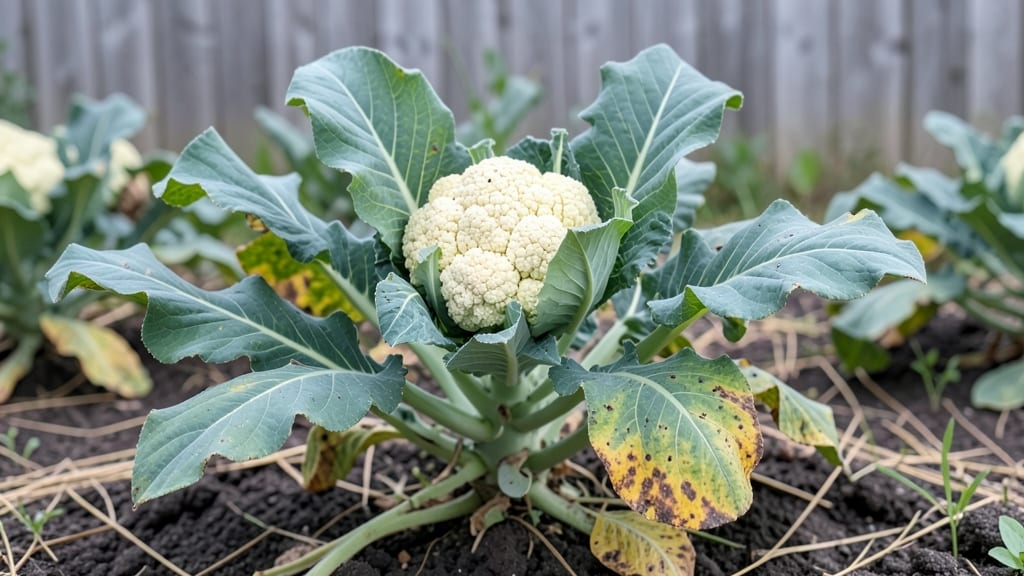
Cauliflower plant diseases can turn your crisp white heads into a sad, yellowing mess—unless you catch them early. 🌱 I’ve wrestled with clubroot, black rot, and downy mildew, and the difference between a thriving crop and a total loss often comes down to knowing what to look for and acting fast.
The worst part? Many of these diseases start silently—clubroot galls form underground, black rot sneaks in through infected seeds, and downy mildew blankets leaves before you even notice.
But here’s the good news: organic treatments like copper sprays, neem oil, and proper spacing can stop them in their tracks before they ruin your harvest.
By the time you finish this, you’ll spot early warning signs—like yellowing leaves or stunted growth—and know exactly which remedy to grab. The key is prevention: healthy soil, good airflow, and a strict rotation schedule keep diseases from gaining a foothold in the first place.
Whether you’re growing in raised beds, containers, or the ground, these strategies work. Let’s get your cauliflower back on track before the next pest even thinks about showing up.
Root Causes Of Cauliflower Ailments
Cauliflower plants, like any other vegetable, are susceptible to diseases due to a mix of environmental, biological, and cultural factors. Understanding these triggers is the first step in protecting your crop. Let’s break down the key reasons behind these common afflictions.
Cauliflower thrives in cool, moist conditions, but extreme deviations from its ideal growing environment can weaken its defenses, making it vulnerable to diseases. Here’s how:
- 💦 Excess Moisture & Poor Drainage
- Cauliflower roots need aeration, but soggy soil (from overwatering, heavy rain, or compacted soil) creates the perfect breeding ground for fungal pathogens like black rot (Xanthomonas campestris) and damping-off (Pythium spp.). Waterlogged conditions also stifle root growth, reducing the plant’s ability to absorb nutrients and fight off infections.
- 🌡️ Temperature Fluctuations
- While cauliflower prefers temperatures between 50–75°F (10–24°C), sudden heatwaves or frosts stress the plant. Heat stress weakens cell walls, making them easier targets for bacterial soft rot (Erwinia spp.), while cold snaps can trigger gray mold (Botrytis cinerea), especially during flowering.
- ☀️ Insufficient Sunlight
- Cauliflower requires 6–8 hours of sunlight daily for strong, disease-resistant foliage. Shady conditions slow photosynthesis, reducing the plant’s energy reserves and making it more susceptible to powdery mildew (Erysiphe spp.) and downy mildew (Hyaloperonospora spp.).
Diseases don’t just appear—they’re spread by microscopic invaders. Here’s how pathogens exploit cauliflower:
- 🔄 Contaminated Soil & Crop Rotation Neglect
- Fungal spores (like Sclerotinia for white mold) and bacterial cells can linger in soil for years. If you plant cauliflower in the same spot annually without rotation, the pathogen population builds up, overwhelming the plant’s defenses. Solution: Rotate with non-brassica crops (e.g., beans, tomatoes) every 3–4 years.
- 🍃 Infected Plant Debris
- Leaving behind diseased leaves, stems, or heads after harvest leaves a feast for pathogens. For example, blackleg (Leptosphaeria maculans) thrives on old brassica debris. Always remove and compost (not reuse!) infected plant material.
- 🐞 Pests as Disease Carriers
- Insects like aphids and cabbage worms don’t just eat cauliflower—they spread bacterial and viral diseases (e.g., turnip mosaic virus) on their bodies. A single infestation can turn a healthy plant into a disease hotspot overnight.
Even the best-growing conditions can go wrong if basic gardening practices are overlooked. Here’s what often goes haywire:
- 💀 Overcrowded Plants
- Cauliflower needs 18–24 inches of spacing between plants. Crowding reduces airflow, trapping moisture on leaves—a goldmine for powdery mildew and downy mildew. Poor airflow also delays drying between rains, prolonging infection windows.
- ⚗️ Overuse of Nitrogen Fertilizers
- Too much nitrogen (e.g., from manure or synthetic fertilizers) promotes lush, weak foliage that’s prime for fungal infections. Balance is key: Use a 10-10-10 or 5-10-10 NPK ratio and prioritize phosphorus/potassium for root and disease resistance.
- 🌱 Poor Seed Selection & Planting Time
- Not all cauliflower varieties are disease-resistant. Some hybrids (e.g., ‘Snowball Y Improved’) are bred to tolerate black rot, while others are susceptible. Additionally, planting too early (risking frost) or too late (exposing to heat stress) weakens plants before they even mature.
💡 Pro Tip: Keep a disease journal to track which issues recur in your garden. Note weather patterns, soil conditions, and plant responses to adjust your strategy year after year.
Quick Fixes for Sick Cauliflower Plants
Cauliflower plants are tough, but when diseases strike—whether fungal, bacterial, or environmental—they need fast, targeted action to bounce back. Below, we’ll map the most common causes to practical solutions, from immediate fixes to long-term prevention. Think of this as your emergency repair kit for ailing cauliflower crops!
Fungi thrive in damp, crowded conditions, so act fast to cut off their food source and disrupt their life cycle.
🔥 Clubroot (Plasmodiophora brassicae) Fix:
- Remove infected plants immediately 🔪—don’t compost them (they’ll reinfect soil).
- Disinfect tools with 10% bleach solution (1 part bleach to 9 parts water) between cuts.
- Adjust soil pH to 7.0–7.5 (clubroot loves acidic soil).
Test your soil and amend with lime if needed. - Rotate crops: Avoid planting brassicas (cauliflower, broccoli, cabbage) in the same spot for 3–4 years. - Resistant varieties: Try ‘Snowball Y Improved’ or ‘Purple of Sicily’ if clubroot is recurrent.
💡 Pro Tip: If your soil is heavily infested, consider container gardening with sterilized potting mix for a few seasons.
🍄 Downy Mildew (Peronospora parasitica)
Fix:
- Prune infected leaves 🌿 (wear gloves!) and destroy them (don’t toss in compost).
- Improve airflow: Space plants 18–24 inches apart and avoid overhead watering.
- Apply copper fungicide (like Bordeaux mixture or copper soap) every 7–10 days until the threat passes.
- Water in the morning ⏰ so foliage dries quickly—fungi love nighttime moisture.
- Reflective mulch: Use aluminum foil or silver plastic mulch to disrupt the pathogen’s light signals.
🌡️ Heat Hack: If downy mildew is common in your area, plant cauliflower in late summer for cooler growing conditions.
🍅 Black Rot (Xanthomonas campestris)
Fix:
- Remove and destroy all infected plants (including wild mustards nearby—they’re carriers!).
- Sterilize tools between gardens if black rot has spread.
- Use a copper-based bactericide (like Copper Septicide) every 10–14 days during wet weather.
- Avoid overhead irrigation—use drip systems to keep leaves dry.
- Crop rotation: Wait 3–4 years before replanting brassicas in the same soil.
✨ Silver Lining: Black rot doesn’t survive long in hot, dry soil—plant in well-drained beds to reduce risk.
Bacteria spread like wildfire in humid conditions. Prevention is key, but if you spot symptoms, act aggressively.
🤒 Soft Rot (Erwinia spp.)
Fix:
- Pull infected plants and solarize the soil (cover with clear plastic for 4–6 weeks in summer to kill bacteria).
- Avoid working in the garden when soil is wet—bacteria hitchhike on tools and hands.
- Disinfect containers with 70% isopropyl alcohol if growing in pots.
- Plant resistant varieties like ‘Snowball’ or ‘White Magic’ if soft rot is a recurring issue.
🎯 Prevention Tip: Rotate crops with non-brassica families (like legumes or tomatoes) to break the bacterial cycle.
Sometimes, "disease" is just your cauliflower yelling for better care. Adjust these factors to revive struggling plants.
💦 Overwatering or Poor Drainage
Fix:
- Check drainage 🌧️—if water pools after 6 hours, amend soil with perlite or coarse sand.
- Water deeply but less often: Aim for 1–1.5 inches per week (including rain).
- Mulch with straw or wood chips (2–3 inches thick) to retain moisture without soggy roots.
- Raise beds if your soil is naturally compacted—cauliflower hates "wet feet."
🔥 Emergency Drainage Hack: If your garden floods, pile up soil around the base of the plant to create a slight mound—helps roots breathe.
☀️ Heat Stress or Sun Scorch
Fix:
- Provide afternoon shade with floating row covers or a lightweight shade cloth (30–50%).
- Water deeply in the morning to cool the soil and leaves.
- Harvest mature heads quickly—overripe cauliflower bolts (sends up a flower stalk) faster in heat.
- Choose heat-tolerant varieties like ‘Cheddar’ or ‘Vantaa’ for warmer climates.
💡 Cool Trick: Mist plants lightly in the late afternoon (not at dawn) to lower leaf temperature without promoting fungal growth.
The best "cure" is a strong defense. Build these habits into your gardening routine:
- 🌱 Start with healthy seedlings: Buy from reputable nurseries or grow from sterilized seeds.
- 🧼 Sanitize everything: Tools, containers, and even your hands between tasks.
- 🕰️ Plant at the right time: Avoid cool, wet springs—wait until soil is 60°F+ for transplanting.
- 🌿 Companion plant: Interplant with garlic, onions, or marigolds to deter pests and improve airflow.
- 🔄 Rotate crops: Never plant brassicas in the same spot two years in a row.
Final Thought: Most cauliflower diseases are manageable with quick action and smart prevention. Catch problems early, fix the environment, and keep your garden clean—your future heads of cauliflower will thank you! 🥬✨
Frequently asked questions
What are the most common signs of cauliflower diseases?
Look for yellowing leaves, stunted growth, or dark spots on stems and leaves. Clubroot shows as swollen, gnarled roots, while black rot creates V-shaped brown lesions on leaf edges. Downy mildew appears as purple-gray fuzz on undersides of leaves in damp conditions.
Can I save a cauliflower plant already showing disease symptoms?
For fungal issues like downy mildew, prune infected leaves immediately and apply copper fungicide. With bacterial diseases (e.g., black rot), removal is often the only option—these spread too fast. For root diseases like clubroot, pull the plant and solarize the soil to prevent reinfection.
How do I prevent diseases in my cauliflower patch?
Start with 3-4 year crop rotation, space plants 18-24 inches apart for airflow, and water at soil level (not overhead). Use sterilized seeds, disinfect tools between plants, and choose disease-resistant varieties like 'Snowball Y Improved'.
Is neem oil effective against cauliflower diseases?
Neem oil works best as a preventive fungicide for powdery mildew and early-stage fungal infections. Mix 1 tablespoon per gallon of water and spray leaves thoroughly every 7-10 days during humid periods. For bacterial diseases, neem is less effective—use copper-based sprays instead.
Why do my cauliflower plants get diseases more than other vegetables?
Cauliflower is particularly vulnerable because it's a cool-season crop that thrives in damp conditions—perfect for fungal/bacterial growth. Its large leaves also trap moisture, and brassicas share many pathogens. The key difference is their sensitive root systems (like clubroot) and susceptibility to seed-borne diseases.