
Plants
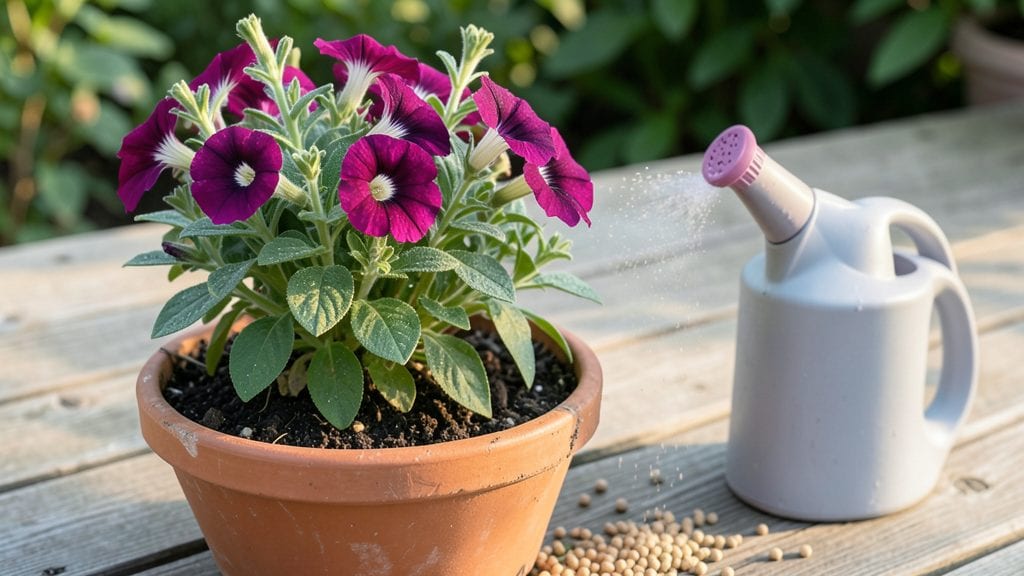
Choosing the right petunia plant fertilizer can transform your spring blooms into a vibrant, never-ending summer spectacle 🌸.
Struggling to keep your petunias blooming all season? The right fertilizer can transform your garden from a few lackluster flowers to a riot of vibrant color that lasts from spring to frost.
Petunias thrive when fed with a balanced fertilizer rich in phosphorus for blooms and potassium for root strength. But timing and type matter—too much nitrogen turns your plants leafy instead of flowery, while the wrong schedule can leave you with weak stems.
In this guide, I’ll walk you through the best fertilizers for petunias, how often to feed them, and the simple steps to avoid common mistakes that kill those gorgeous blooms.
Best fertilizers for petunias to maximize flower production
Petunias thrive when fed the right nutrients, but choosing the wrong fertilizer can lead to weak stems, sparse blooms, or even plant stress. The key to vibrant, continuous flowering lies in understanding NPK ratios and micronutrient needs.
Petunias crave phosphorus for blooms and potassium for root strength, but too much nitrogen can result in lush foliage at the expense of flowers. Let's explore the best fertilizers to keep your petunias blooming from spring to frost.
For most gardeners, a balanced fertilizer with a 10-10-10 or 5-10-20 NPK ratio is ideal. This ensures your petunias get enough phosphorus to support flower production while maintaining healthy growth.
However, if your soil is already rich in nitrogen, a low-nitrogen, high-phosphorus formula like 5-20-20 can push more energy into blooms. Always check your soil's pH and nutrient levels before choosing a fertilizer to avoid overcorrecting deficiencies.
Now, let's compare the top fertilizer options for petunias, including organic and synthetic choices, to help you decide what works best for your garden.
Synthetic granular fertilizers like 10-10-10 are a gardener's go-to for petunias because they provide a steady supply of nutrients without the risk of burning plants if overapplied. These fertilizers are best sprinkled around the base of the plant and lightly worked into the soil.
For container-grown petunias, slow-release pellets are a game-changer—they dissolve gradually, ensuring your plants get a consistent feed without frequent applications.
Organic options like fish emulsion and compost tea are excellent for gardeners who prefer natural fertilizers. Fish emulsion is particularly rich in micronutrients like magnesium and iron, which can prevent yellowing leaves and boost overall plant health.
Compost tea, on the other hand, improves soil structure and encourages beneficial microbes, leading to stronger roots and more resilient plants. Both are best applied as a soil drench every 2-4 weeks during the growing season.
Liquid fertilizers are ideal for potted petunias because they allow for precise dosing and quick absorption. A 7-9-5 NPK ratio liquid feed can be sprayed directly on the leaves or poured into the soil.
This method is perfect for gardeners who want to see immediate results and can adjust the frequency based on the plant's response. However, be cautious with liquid feeds—overapplying can lead to salt buildup in the soil, which can harm your petunias.
When choosing a fertilizer, always consider your petunias' current growth stage. During the early growth phase, focus on a balanced fertilizer to encourage strong stems and foliage. Once buds form, switch to a high-phosphorus fertilizer like 5-10-20 to promote abundant blooms.
In late summer, reduce feeding to allow your petunias to prepare for dormancy, especially if you're in a cooler climate.
Micronutrients like magnesium, calcium, and iron are often overlooked but play a crucial role in petunia health. A lack of these can lead to yellowing leaves, weak stems, or poor flowering. Organic fertilizers like fish emulsion or seaweed extract are excellent sources of micronutrients.
If you notice your petunias struggling, a foliar spray with a chelated micronutrient mix can provide a quick boost and restore vigor.
One common mistake is over-fertilizing, which can lead to burned roots, leaf scorch, or excessive foliage at the expense of flowers. Always follow the package instructions and start with half the recommended dose if your soil is already fertile.
If you're unsure, conduct a soil test to determine your garden's nutrient levels before applying any fertilizer. This simple step can save you time and money while keeping your petunias thriving.
For trailing petunias, which often grow in hanging baskets, opt for a water-soluble fertilizer applied every 7-10 days. These varieties need frequent feeding to support their rapid growth and continuous blooming.
Mix a half-strength solution of a balanced liquid fertilizer into the watering can and apply it during your regular watering routine. This ensures your trailing petunias get the nutrients they need without the risk of salt buildup.
In summary, the best fertilizer for petunias depends on your gardening style, soil conditions, and the specific needs of your plants. Whether you choose a synthetic granular, organic amendment, or liquid feed, the key is consistency and balance.
By feeding your petunias the right nutrients at the right time, you'll enjoy a season-long display of vibrant blo
Petunia fertilizer schedule: when and how to feed for continuous blooms
Timing your petunia fertilizer applications is just as important as choosing the right formula. A well-planned schedule ensures steady growth, vibrant blooms, and healthy foliage throughout the season. Unlike other flowers, petunias respond best to consistent feeding—especially during their peak bloom periods.
I’ve found that splitting fertilizations into three key stages yields the best results, from planting to frost.
Understanding your petunia variety also matters. Trailing petunias need slightly more frequent feeding to support their sprawling growth, while bush types can handle slightly longer intervals between feeds.
Climate plays a role too—hotter regions may require more frequent watering and feeding to prevent nutrient burn, while cooler climates can stretch out the schedule.
🌱 Petunia Fertilizer Schedule by Growth Stage
- 📅 Pre-Planting: Mix 1 tbsp slow-release fertilizer (10-10-10) per square foot into soil 2-3 weeks before transplanting.
- 🌱 Early Growth (First 4 Weeks): Apply liquid fertilizer (5-10-5) every 2 weeks to encourage root and leaf development.
- 🌸 Bloom Stage (6 Weeks Onward): Switch to high-phosphorus feed (5-10-20) every 2-3 weeks to boost flowering.
- 🍂 Late Season (September): Reduce to light feed (half-strength) every 4 weeks to harden plants before frost.
For foliar feeding, I recommend a seaweed extract spray every 4-6 weeks during peak bloom. This method delivers micronutrients directly to leaves, which petunias absorb quickly. Always apply in the early morning to avoid leaf burn from afternoon sun.
I’ve noticed my trailing petunias respond especially well to this approach, showing brighter blooms within days.
Watch for signs of over-fertilization, like yellowing leaves or crispy leaf edges, which indicate too much salt buildup. Under-fertilized petunias show stunted growth and fewer blooms.
If you see these symptoms, flush the soil with water and adjust your schedule. Organic options, like compost tea, are gentler and reduce these risks.
Adjust your schedule based on seasonal cues. In Zone 7 and warmer, extend feeding into October to prolong blooms, while cooler zones should stop by September. Always water thoroughly before and after fertilizing to help nutrients penetrate the soil and prevent root damage.
Pro tip: Keep a fertilizer log to track what works best for your petunias. Note the product used, application dates, and plant response. Over time, you’ll refine your schedule to match your garden’s unique conditions.
With the right timing and care, your petunias will reward you with nonstop color from spring to frost. 🌷