Watering
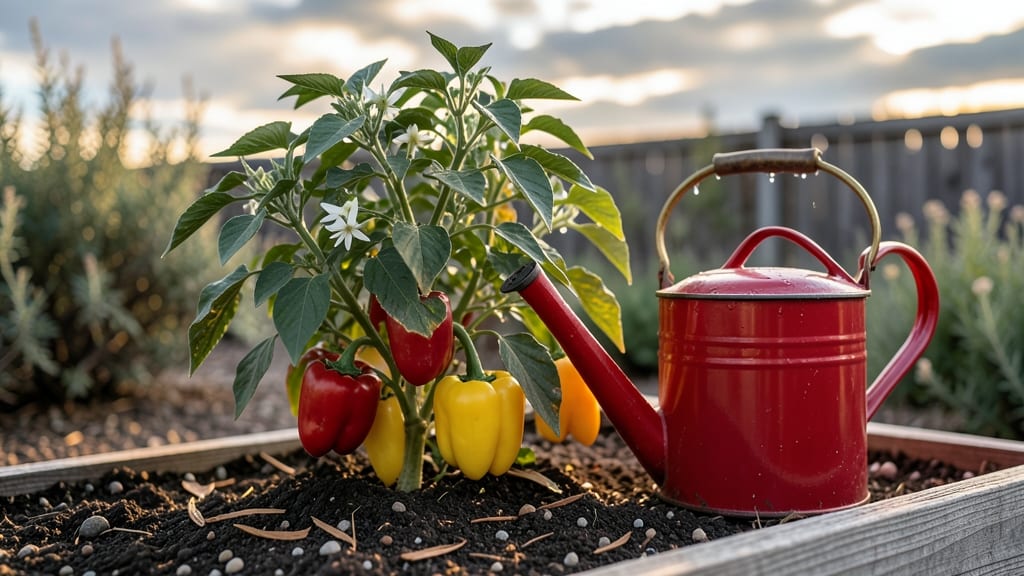
Your pepper plants are drowning in water, and those sad yellow leaves are screaming for help. 🌱 Overwatering peppers is a silent killer—one day your plants look lush, the next their roots are suffocating and leaves turn to mush.
I’ve pulled mine back from the brink more times than I’d like to admit, and the fix is faster than you think.
The problem usually starts with soggy soil that never dries between waterings. Peppers hate "wet feet"—their roots need air, not a swamp. Poor drainage, overzealous watering schedules, or heavy clay soil all turn your garden into a sauna for root rot.
Even a single week of too much water can trigger those telltale yellow leaves, and by then, the damage might already be spreading.
Here’s the good news: you can turn this around in 24-48 hours with the right moves. Drain the excess water, loosen compacted soil, and prune any mushy roots. Adjust your watering to deep but infrequent—think "drench and dry" instead of daily sips.
Within a week, you’ll see fresh green leaves pushing out, and your peppers will bounce back like nothing happened.
Prevention is even easier: amend your soil with perlite or sand, choose containers with drainage holes, and stick your finger in the soil before watering. If the top 2 inches are still damp, wait another day.
This isn’t just about saving your plants—it’s about growing peppers that are strong, productive, and ready for harvest without the drama.
The hidden triggers behind soggy soil
Overwatering pepper plants might seem like a simple mistake, but it’s often the result of a mix of environmental, human, and plant-specific factors. Understanding these triggers can help you avoid turning your garden into a swamp.
Let’s break down the most common reasons why your peppers end up drowning in their own moisture.
Pepper plants thrive in well-draining soil, but if your pots or garden beds lack proper drainage, excess water has nowhere to go. Here’s why this happens:
- Clay or compacted soil: Heavy soils hold water like a sponge, suffocating roots. If your garden soil is dense or amended poorly, water pools instead of draining.
- Pots without drainage holes: Containers without exit points trap water at the bottom, creating a root-rotting environment. Even "self-watering" pots can fail if overfilled.
- Improper amendments: Too much peat moss or organic matter without sand or perlite can turn soil into a waterlogged mess.
Pro Tip: 💡 Test your soil’s drainage by filling a pot with water and timing how long it takes to drain. If it takes more than 30 minutes, your soil is too dense.
Many gardeners assume "water when dry" means "water every day"—but peppers hate soggy roots. Here’s how misjudging moisture leads to overwatering:
- Finger-testing incorrectly: Sticking your finger 1–2 inches into the soil is key, but if you only check the surface, you’ll overestimate dryness.
- Relying on schedules: Watering on a fixed schedule (e.g., "every Wednesday") ignores weather, humidity, and plant needs.
- Overreacting to wilting: Pepper leaves droop when thirsty, but they also droop when overwatered. Without checking soil moisture, you might water again too soon.
Pro Tip: 🌡️ Use a moisture meter for accuracy, or squeeze a handful of soil—if it crumbles, it’s dry; if it stays clumpy, hold off.
Your climate and growing conditions play a huge role in how quickly soil dries. These factors can trick you into overwatering:
- High humidity: Moist air slows evaporation, making soil stay damp longer. In tropical or rainy climates, peppers need far less frequent watering.
- Shade or poor airflow: Direct sunlight helps soil dry faster, but shaded plants retain moisture longer, increasing rot risk.
- Rainy seasons: If you’re watering on top of recent rainfall, you’re doubling down on the problem. Always check soil before adding more water.
Pro Tip: ✨ In humid areas, let the top 3 inches of soil dry out completely between waterings—peppers are surprisingly drought-tolerant!
Even with good intentions, human habits often lead to overwatering. Here’s how:
- Small, frequent waterings: Light sprinkles keep the surface wet but don’t encourage deep root growth. Peppers need deep, infrequent watering to develop strong roots.
- Watering at the wrong time: Early morning is best, but watering in the evening or after dark traps moisture on leaves, promoting fungal diseases.
- Using the wrong tools: A gentle misting can is great for seedlings, but peppers need a stream of water to penetrate the root zone.
Pro Tip: 🎯 Water at the base, not the leaves, and aim for 1–1.5 inches of water per week (including rain) for mature plants.
Now that you know the root causes (literally!), you’re one step closer to saving your peppers from a watery grave. Next, we’ll cover how to diagnose the damage and fix it fast.
Quick Fixes for Waterlogged Peppers
Overwatering can turn your thriving pepper plants into a sad, soggy mess—but don’t worry! With the right steps, you can revive them and prevent future drama.
Below, we’ll tackle the most common signs of overwatering (yellow leaves, wilting, or mushy stems) and map out practical fixes tailored to the root cause. Plus, we’ll share pro tips to keep your peppers happy and hydrated just right.
Signs: Yellowing leaves, stunted growth, or a foul smell from the soil. Cause: Compacted, waterlogged roots can’t breathe, leading to rot or nutrient starvation.
Step-by-Step Revival:
- 🔥 Pause Watering Immediately
- Let the soil dry out completely before watering again. Stick your finger 2–3 inches deep—if it’s damp, wait.
- 🍳 Repot or Loosen Soil (If Needed) - For container peppers, gently remove the plant and check roots.
If they’re black/mushy, trim the rot with sterilized scissors and repot in fresh, well-draining soil. - For in-ground plants, use a fork to aerate the soil around the base (but avoid damaging roots).
- 👨🍳 Improve Drainage Fast
- Mix perlite or coarse sand into the top 2 inches of soil to help water drain.
- If repotting, choose a pot with drainage holes (or drill them yourself!).
- 🥘 Fertilize Lightly (But Wait!)
- Wait 1–2 weeks after repotting before fertilizing. Use a balanced, water-soluble fertilizer (like 10-10-10) to replenish lost nutrients.
Signs: Leaves curling, wilting despite wet soil, or a crusty soil surface. Cause: Inconsistent watering (too much at once) or poor soil structure.
Pro Tips for Perfect Hydration:
- 💡 Water Deeply, Less Often
- Peppers hate soggy feet! Water only when the top 1–2 inches of soil are dry (use a moisture meter if you’re unsure).
- Morning watering is best—it gives leaves time to dry before nightfall (reducing fungal risks).
- 🌡️ Check Your Climate
- Hot/dry days? Water every 2–3 days.
- Cool/cloudy days? Every 4–5 days may suffice.
- Rainy season? Move pots to a covered area or skip watering entirely.
- ✨ Upgrade Your Soil
- Amend garden beds with compost or coconut coir to improve water retention without staying soggy.
- For containers, use a pepper-specific potting mix (or blend garden soil + perlite + compost in a 50/30/20 ratio).
Signs: Leaf spots, slow growth, or peppers dropping prematurely. Cause: Overwatering + poor airflow = fungal infections (like powdery mildew or root rot).
Prevention Checklist:
- 🔪 Prune Wisely
- Trim yellow or diseased leaves with clean scissors to improve airflow.
- Avoid overcrowding—peppers need 12–18 inches of space between plants.
- 🌿 Mulch (But Not Too Much!)
- Apply 2–3 inches of straw or wood chips around the base to retain moisture without smothering roots.
- Keep mulch 2 inches away from the stem to prevent rot.
- 🎯 Monitor Humidity
- If your home/greenhouse is humid, use a fan to circulate air or open windows daily.
Signs: Black, soft stems at the base; wilting that doesn’t improve with water. Cause: Advanced root rot from chronic overwatering.
Last-Chance Steps:
- 🔪 Sever the Damage
- Cut away rotted stems/roots with sterilized tools. Keep only healthy green tissue.
- 🧴 Treat with Fungicide (Optional but Helpful)
- Spray copper fungicide or a hydrogen peroxide mix (1 part 3% H₂O₂ to 4 parts water) on remaining roots to kill fungus.
- 🌱 Repot in Sterile Soil
- Use new, sterile potting mix (or bake old soil in the oven at 200°F for 30 mins to kill pathogens).
- Plant at the same depth as before and skip watering for 3–5 days to let roots adjust.
- 🏥 Move to a Recovery Spot
- Place the plant in bright, indirect light (no direct sun yet) and avoid watering until new growth appears (usually 1–2 weeks).
| Problem | Quick Fix | Long-Term Solution |
|---|---|---|
| Yellow lower leaves | Reduce water; check drainage | Repot with perlite; water only when dry |
| Wilting despite wet soil | Pause watering; loosen soil | Upgrade to well-draining soil mix |
| Mushy stems | Trim rot; repot in sterile soil | Use raised beds or pots with holes |
| Slow growth | Fertilize lightly (after recovery) | Test soil pH (peppers love 6.0–6.8) |
| Leaf spots/fungus | Prune affected leaves; improve airflow | Add mulch; use a fan for circulation |
💡 Pro Tip: Keep a watering journal! Note when and how much you water—this helps you spot patterns (e.g., "Every time I water on Tuesdays, the leaves yellow by Thursday").
With these fixes, your peppers should bounce back in 1–2 weeks. Stay consistent, and soon you’ll be harvesting juicy, vibrant peppers instead of dealing with soggy surprises! 🌶️💦
Frequently asked questions
Why do my pepper plants get yellow leaves when I water them regularly?
Yellow leaves are a classic sign of overwatering because peppers need well-draining soil. When roots sit in soggy conditions, they can't absorb oxygen, leading to nutrient starvation and leaf discoloration. Check if the top 2 inches of soil are dry before watering again—peppers prefer a "drench and dry" cycle rather than constant moisture.
How often should I water pepper plants to avoid overwatering?
For mature peppers, aim for 1–1.5 inches of water per week, including rainfall. In hot climates, water every 2–3 days, while cooler weather may only need watering every 4–5 days. Always check soil moisture—if the top 1–2 inches are dry, it's time to water. Morning watering is best to prevent fungal growth.
Can I save a pepper plant with black, mushy stems from overwatering?
Yes, but act fast! Trim away all rotted stems and roots with sterilized scissors, then repot in fresh, well-draining soil. Skip watering for 3–5 days to let roots recover. If the damage is severe, you may need to propagate healthy stems in water or soil. With proper care, new growth should appear in 1–2 weeks.
What’s the best soil mix to prevent overwatering in pepper plants?
Use a blend of 50% garden soil, 30% perlite or coarse sand, and 20% compost for optimal drainage. For containers, a pepper-specific potting mix with added perlite works best. Avoid heavy clay soils or mixes with too much peat moss, which hold moisture and suffocate roots. Raised beds also help with drainage if you're planting in-ground.
Will overwatering kill my pepper plants permanently?
Not always! If caught early, peppers can recover with proper care. However, chronic overwatering leads to irreversible root rot, which can kill the plant. The key is acting quickly—pause watering, improve drainage, and trim affected roots. Prevention (like using moisture meters or checking soil before watering) is always easier than revival!