
Fertilization
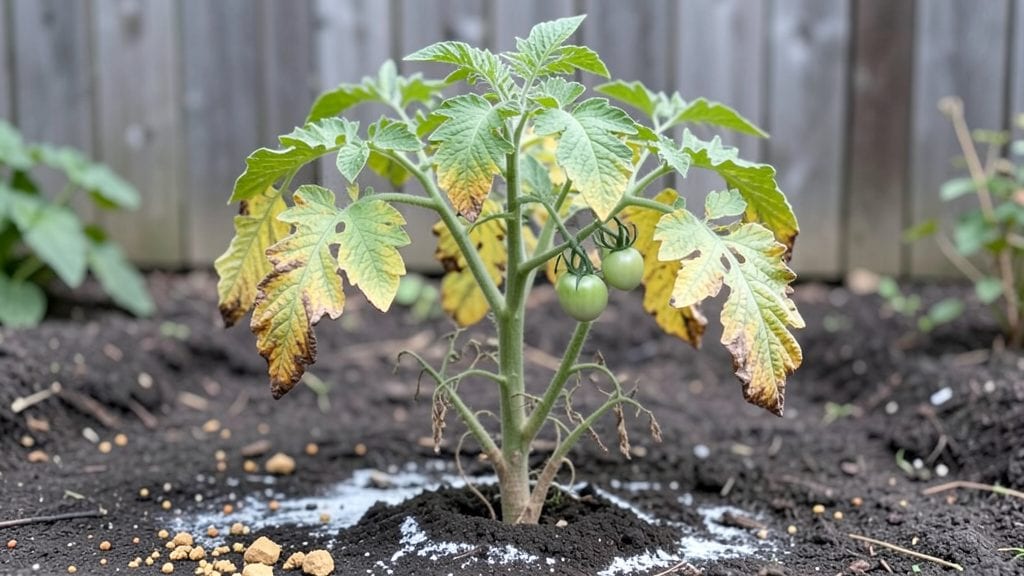
When your plant’s leaves turn yellow and crispy, it’s not just overwatering—it’s over-fertilized. 🌱 I’ve nursed back more than a few plants that looked like they’d given up, and the fix is simpler than you’d think.
The key is acting fast to flush out the excess salts before they burn the roots completely.
Most people panic and keep watering, but that just spreads the problem.
Instead, focus on three simple steps: first, give the soil a deep flush with plain water to wash away built-up salts, then trim any burnt tips to help the plant focus on new growth, and finally, adjust your fertilizer routine.
This works for everything from ferns to tomatoes—even my once-wilted monstera is back to thriving.
You’ll see fresh green leaves within 2-3 weeks if you catch it early. The secret is patience and consistent care—no more guessing how much fertilizer to use. Once you’ve reset the soil balance, you’ll know exactly how much to feed your plants without overdoing it.
This method works year-round, whether you’re dealing with houseplants in winter or garden veggies in summer. The only real difference is how quickly plants bounce back—succulents take longer, while leafy greens recover fast. Let’s get those plants healthy again!
What Triggers Excess Fertilizer Buildup
Understanding why plants become over-fertilized starts with recognizing the hidden factors that disrupt the delicate balance between nutrients and plant health. Here’s a breakdown of the most common culprits—each with a clear scientific explanation and actionable insights to prevent them.
Plants thrive on nutrients, but too much of a good thing can backfire. Many gardeners fall into the trap of "if a little works, more must be better"—especially when using synthetic fertilizers high in nitrogen (N), phosphorus (P), or potassium (K).
- Nitrogen overload 🔥: Excess nitrogen promotes rapid leaf growth but starves roots of oxygen, leading to yellowing leaves (chlorosis) and weak stems.
Think of it like feeding a child candy instead of balanced meals—they’ll get a sugar rush but crash hard. - Salt buildup 🧂: Synthetic fertilizers contain salts that accumulate in soil over time.
High salt concentrations disrupt water absorption, causing roots to "burn" and leaves to wilt or turn crispy at the edges. - pH imbalance 📉: Fertilizers can acidify or alkalize soil, locking out essential micronutrients like iron, manganese, or zinc.
Even if your plant has enough nitrogen, it may starve for other critical elements, mimicking deficiency symptoms.
Pro Tip: 💡 Follow the "less is more" rule—always check fertilizer labels for application rates and stick to them. For example, a 10-10-10 fertilizer means 10% nitrogen, 10% phosphorus, and 10% potassium by weight, not a free-for-all.
Soil isn’t just dirt—it’s a living ecosystem where water, air, and roots interact. If your soil holds onto water like a sponge, excess fertilizer dissolves into a nutrient soup that roots can’t escape.
- Waterlogged conditions 💦: When soil stays soggy, oxygen levels drop, and beneficial microbes that break down excess nutrients slow to a crawl.
This leaves fertilizer salts lingering near roots, causing toxic buildup. - Compacted or clay-heavy soil 🏗️: Dense soil prevents water from draining properly, trapping dissolved fertilizers.
Over time, this creates a salty, inhospitable zone where roots suffocate. - Lack of organic matter 🍂: Healthy soil rich in compost or peat holds nutrients in a slow-release form, preventing spikes. Without it, fertilizers wash away or accumulate too quickly.
Action Step: Test your soil’s drainage by digging a hole, filling it with water, and timing how long it takes to drain. If it’s slower than 4–6 hours, amend with perlite, sand, or compost to improve aeration.
Not all fertilizers are created equal—and misjudging what your plant needs (or when) is a fast track to over-fertilization.
- Slow-release vs. quick-release ⏳: Quick-release fertilizers (like granular or liquid types) flood roots with nutrients immediately, while slow-release (like coated granules or organic matter) feeds plants gradually.
Using the wrong type can lead to nutrient spikes. - Seasonal mismatches ❄️🌞: Plants in dormancy (winter) or active growth (spring/summer) have different needs.
Fertilizing a dormant plant (e.g., succulents in winter) forces it to burn energy it doesn’t have, leading to stress. - Micronutrient neglect 🧪: Overemphasizing NPK while ignoring micronutrients (like magnesium or calcium) throws off the nutrient ratio, causing deficiencies even if the soil looks "fed."
Key Insight: 🎯 Use a soil test kit to identify deficiencies before fertilizing. For example, if your plant shows yellowing between leaf veins, it’s likely an iron or magnesium issue, not a nitrogen excess.
Ironically, too much water can worsen over-fertilization by washing away soil’s natural buffers (like organic matter) and leaving salts behind.
- Leaching effect 🚰: Frequent deep watering can rinse away nutrients, but if the soil is already saturated with fertilizer, the excess lingers in the root zone, causing toxicity.
- Surface crusting 🪨: Heavy rain can create a hardpan layer on top of soil, trapping dissolved salts near the surface where roots can’t access them.
- Fungal growth 🍄: Overwatered, over-fertilized soil becomes a breeding ground for pathogens, weakening roots and making them more susceptible to nutrient burn.
Fix It: 💧 Let the top 1–2 inches of soil dry out between waterings. For container plants, ensure pots have drainage holes to prevent soggy roots.
Many gardeners reapply fertilizer on a schedule without accounting for what’s already in the soil—a recipe for nutrient overload.
- Cumulative effect 📈: Even "small" doses add up. For example, applying half the recommended amount weekly can equal 4x the yearly dose by month’s end. - Root zone saturation 🌿: Roots absorb only what they need.
Excess nutrients pile up in the rhizosphere (the soil immediately around roots), creating a toxic environment. - Organic buildup 🍄: Organic fertilizers (like manure or compost) break down slowly. If added too frequently, they can over-acidify soil or produce ammonia spikes, harming roots.
Solution: 🌱 Flush the soil every 3–6 months by watering deeply for 15–20 minutes to leach out excess salts. For potted plants, run water through the drain hole until it exits clean.
Reviving & Preventing Over-Fertilized Plants
Over-fertilizing your plants can feel like a disaster, but don’t panic—most can bounce back with the right care. Below, we’ll tackle how to fix the damage based on the root cause, plus prevention tips to keep your greenery thriving. Think of this as your plant’s emergency first aid kit!
Cause: Too much fertilizer in the soil Fix: Dilute the soil’s nutrient concentration by leaching out the excess salts.
- 💦 Water Thoroughly
- Move your plant to a sink, tub, or outdoor area and water it generously until water runs freely from the drainage holes. This washes away built-up salts and chemicals.
- Pro Tip: 💡 Use room-temperature water to avoid shocking the roots.
- 🌧️ Repeat for 3–5 Days
- Continue flushing the soil daily until the runoff is clear, not white or cloudy (a sign of residual salts).
- ⚠️ Avoid Fertilizer for 2 Weeks
- Let the soil recover before reintroducing nutrients. Weak roots can’t handle more stress right away.
Cause: Burned leaves from salt buildup Fix: Prune affected leaves to redirect energy to healthy growth.
- 🔪 Snip Yellow or Crispy Leaves
- Use clean, sharp scissors to cut back:
- Yellow leaves (nutrient burn).
- Brown or blackened tips (salt damage).
- Wilted or mushy stems (root stress).
- Pro Tip: ✨ Trim 1/3 of the plant at a time to avoid over-stressing it.
- Use clean, sharp scissors to cut back:
- 🌿 Focus on New Growth
- Healthy leaves will emerge as the plant recovers. Avoid pruning all leaves—some photosynthesis is still needed!
Cause: Poor drainage or compacted soil Fix: Improve soil aeration and hydration balance.
- 🕳️ Loosen Compacted Soil
- Gently fork or finger-comb the top 2–3 inches of soil to break up clumps. This helps roots breathe and water penetrate.
- For Potted Plants: Mix in perlite or coconut coir (20%) to improve drainage.
- 💧 Water Smartly
- Overwatering + over-fertilizing = double trouble. Let the top inch of soil dry between waterings.
- Sign You’re Overwatering: 🌡️ Yellow leaves and soggy soil = root rot risk.
- 🌱 Repot If Needed
- If the soil is heavily salt-crusted or roots are circling, repot into fresh, well-draining mix. Choose a pot 1–2 inches larger than the current one.
Once your plant recovers, avoid repeating the mistake with these habits:
| Mistake | Fix It Like This |
|---|---|
| Using too much fertilizer | Follow label instructions—half-strength is often safer. |
| Fertilizing in winter | Pause feeding when growth slows (fall/winter). |
| Ignoring soil type | Test soil pH (ideal: 6.0–7.0 for most plants). Amend with compost if needed. |
| Skipping the flush | Leach soil every 3–6 months (even without symptoms). |
| Overcrowded pots | Roots compete for nutrients—repot every 1–2 years. |
- Mild cases: 2–4 weeks (new leaves appear).
- Severe burns: 6–8 weeks (may need humidity trays or shade to reduce stress).
- Root damage: Could take months—be patient!
💡 Final Pro Tip: If your plant is non-recoverable, use it as compost—even "failed" plants nourish new growth!
Need a quick reference? Bookmark this section and revisit it before your next fertilizing session!
Frequently asked questions
Why do my plant’s leaves turn brown and crispy after fertilizing?
Excess fertilizer causes salt buildup in the soil, which draws moisture out of leaves through a process called osmotic shock. The edges brown and crisp because the plant can’t absorb water properly. This is especially common with synthetic fertilizers—always follow label instructions and flush soil every 3 months.
Can I save a plant with white crust on the soil surface?
Yes, but act fast! That crust is fertilizer salts burning the roots. Move the plant to a sink, water it thoroughly until salts drain out, then repot into fresh soil. Avoid fertilizing for 2-3 weeks to let roots recover. For severe cases, trim damaged leaves to help the plant focus energy.
How often should I fertilize houseplants vs. garden plants?
Houseplants thrive on monthly feeding in spring/summer (half-strength fertilizer), while garden plants need every 4-6 weeks during active growth. Never fertilize dormant plants (winter) or those in small pots—roots have less soil to absorb nutrients safely.
Is organic fertilizer safer than synthetic?
Organic fertilizers release nutrients more slowly, reducing burn risk, but they can still cause problems if overused. The key difference is that organic matter improves soil structure, while synthetic fertilizers provide immediate but concentrated doses. Test soil first—organic doesn’t mean "can’t overdo it!"
Why does my plant recover faster in some seasons than others?
Plants heal quicker in spring/summer because warmer temperatures boost root activity and photosynthesis. In winter, growth slows dramatically—over-fertilizing then can cause permanent damage. Always adjust feeding schedules to match your plant’s natural growth cycle.