
Blooming
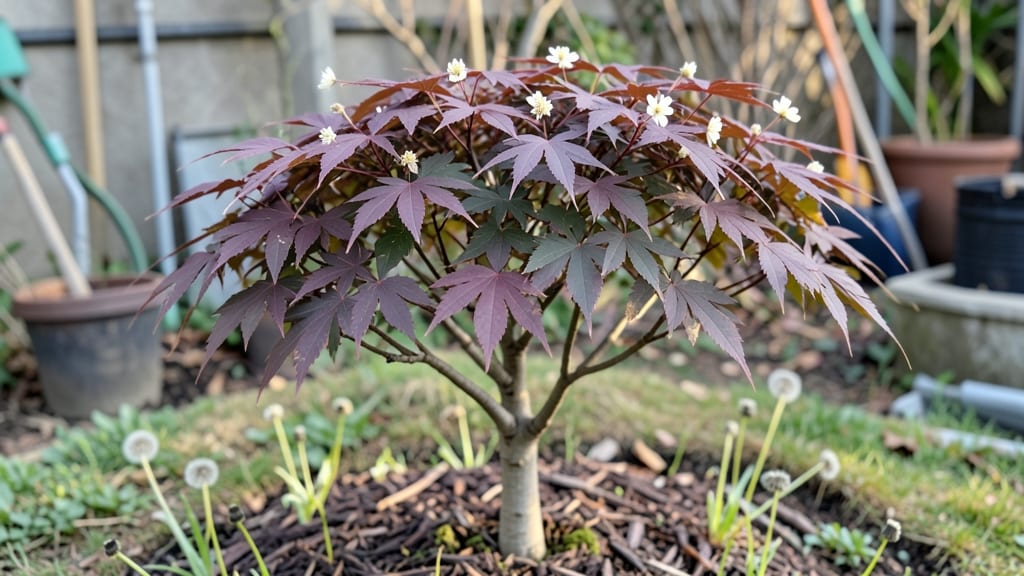
My first blooming maple plant transformed my spring garden with delicate clusters of red flowers and that unmistakable fresh-green scent. 🌿 These sun-loving trees aren’t just about height—they’re about creating a fragrant canopy that turns heads in early spring, and I’ll show you how to coax those blooms every year.
You’ll need a spot with at least 6 hours of sunlight daily, well-draining soil (think loamy with compost mixed in), and patience—maples grow slowly but reward you with 30+ feet of shade and springtime fragrance over decades.
The key is balancing pruning (never cut back more than 25% at once) and feeding with phosphorus-rich fertilizer in early spring to encourage flowering.
By summer’s end, you’ll watch those first flower buds form along last year’s growth, and with proper care, they’ll return year after year. The trade-off? Maples bloom best when slightly stressed—so don’t overwater or fertilize too late in the season.
I’ll walk you through the exact timing and techniques that keep mine flowering reliably.
Works for Acer palmatum (Japanese maple), Acer rubrum (red maple), or any sun-loving species. Whether you’re planting a sapling or shaping an established tree, these tips will have your maple putting on a spring show for years to come.
📚 In This Guide
- What you need
- Instructions
- Tips and common mistakes
- Wrapping up and next steps
What you need
- ● Maple Seedling or Sapling: 1 healthy maple tree seedling (age 1–3 years, 1–3 ft tall) from a nursery or trusted grower.
- ● OR 1–2 mature maple seeds (if starting from scratch—note: germination can take 1–3 years!).
- ● Well-Draining Soil: 5–10 gallons of loamy, slightly acidic soil (pH 5.0–6.5). Mix with 20% perlite or sand for drainage.
- ○ Optional: 1–2 cups of compost or peat moss for nutrients.
- ● Container or Planting Site: For containers: 1–2 large pots (15–20 gallons) with drainage holes.
- ● For ground planting: A sunny spot with 6+ hours of direct sunlight and space for mature height (some maples reach 40–70 ft!).
- ● Watering Supplies: Watering can or hose with a gentle spray nozzle (to avoid disturbing roots).
- ● Mulch (2–3 inches of wood chips or shredded bark) to retain moisture.
- ● Fertilizer: Balanced 10-10-10 fertilizer (1–2 tbsp per planting hole) or slow-release granules.
- ● Essential: Garden trowel or shovel (for planting).
- ● Pruning shears (for shaping young branches).
- ● Gloves (to protect hands from sap and soil).
- ○ Optional (but handy!): Soil pH tester (to monitor acidity).
- ● Tree stake (for young saplings in windy areas).
- ● Fungicide spray (preventative measure for anthracnose or powdery mildew).
- ● Sunlight meter (to confirm light exposure).
- ● Patience! Maple trees grow slowly—expect 1–2 ft of growth per year.
- ● Climate suitability: Most maples thrive in USDA Zones 3–9 (check your local hardiness zone).
- ● Space: Account for mature size—some varieties need 30+ ft of clearance!
Step-by-Step instructions for cultivating a fragrant maple tree
Here's how to nurture a sun-loving maple with vibrant blooms and that signature spring fragrance.
🌱 Step 1: Select the Right Location and Soil
Maples thrive in full sun—choose a spot receiving at least 6-8 hours of direct sunlight daily. I always test the area first by observing how nearby plants grow; if they're lush and healthy, it's likely a good match. The soil should drain well but retain moisture—amend heavy clay with organic matter (like compost) to improve aeration.
Dig a hole twice as wide as the root ball but only as deep. This encourages roots to spread horizontally rather than settling too low, which can suffocate them. Gently loosen the edges of the hole to prevent soil compaction when you plant.
🪴 Step 2: Plant at the Correct Depth and Stake for Support
Place the maple tree in the hole so the top of the root ball sits 1-2 inches above ground level. This prevents stem rot from sitting water. Backfill with native soil, tamping lightly every 6 inches to remove air pockets without compacting roots.
Stake only if needed—young maples with slender trunks benefit from 1-2 stakes positioned diagonally. Tie the trunk loosely with soft fabric strips (never wire) to allow some movement, which strengthens the stem naturally. Water deeply immediately after planting to settle the soil.
☀️ Step 3: Water Deeply and Mulch for Retention
Water once weekly during the first growing season, providing 1-2 gallons per watering until the soil is 6 inches deep and moist. You'll know it's right when excess water drains freely from the bottom of the hole. Avoid overhead watering—it can spread disease, so always water at the base.
Apply 2-3 inches of mulch (like wood chips) around the base, keeping it 3 inches away from the trunk. Mulch conserves moisture and regulates soil temperature, but too much can smother roots. Replenish mulch annually to maintain coverage.
✂️ Step 4: Prune for Shape and Airflow in Early Spring
Prune just before buds swell in early spring while the tree is still dormant. Remove dead, crossing, or weak branches first—these compete for energy and disrupt airflow. Cut at a 45-degree angle just above an outward-facing bud to encourage healthy growth.
Thin the canopy by 20-30% to improve light penetration. You'll see new shoots emerge within weeks, signaling the tree is recovering well. Avoid heavy pruning in late summer—it stimulates tender growth that won't harden off before winter.
🌿 Step 5: Fertilize and Monitor for Pests
Apply a balanced, slow-release fertilizer (10-10-10) in early spring and again in midsummer. Sprinkle it 6 inches from the trunk and water it in thoroughly. Over-fertilizing causes salt buildup, which burns roots—always follow package rates.
Watch for aphids or scale insects on new growth. Spray with neem oil if you spot sticky residue (honeydew) on leaves. Healthy maples rarely struggle with pests, but early intervention prevents infestations from spreading.
Tips & tricks for perfectly cultivating a fragrant maple tree
A few strategic moves can transform your maple from a struggling sapling to a thriving, fragrant centerpiece. Here's what I've learned from years of nurturing these sun-loving beauties.
The Sunlight Secret: While 6-8 hours of direct sunlight is ideal, maples can actually tolerate up to 10 hours in cooler climates. The key is watching for leaf scorch—if edges turn crispy, it's getting too much midday sun. I always plant mine where they'll get morning sun and afternoon shade from nearby structures, especially in hotter regions. This balance prevents stress while maintaining that vibrant foliage we all love.
Root Ball Technique: That twice-as-wide hole isn't just about space—it's about creating a stress-free environment for roots to establish. When planting, I always score the bottom of the root ball with a knife before placing it in the hole. This encourages roots to grow outward immediately rather than circling in the container, which can strangle the tree as it matures. Think of it as giving your tree's roots a head start on their growth journey.
Watering Wisdom: The once-weekly watering guideline works perfectly in most climates, but I've found that 1-2 gallons isn't always enough during extreme heat. Test your soil moisture by sticking your finger 6 inches deep—if it's dry at that depth, water again. For newly planted trees, I actually water twice weekly for the first month to ensure proper root establishment. The goal is consistent moisture without waterlogging, which can lead to root rot.
Pruning Precision: When thinning that 20-30% of the canopy in Step 4, I always look for branches that cross or grow inward. These aren't just competing for sunlight—they create friction points that can lead to bark damage over time. Cutting at a 45-degree angle above an outward-facing bud isn't just about aesthetics; it's about directing the tree's energy into healthy growth patterns. I also recommend sterilizing your pruners with rubbing alcohol between cuts to prevent disease transmission.
Pro Tips for Blooming Maple Plant
- A few strategic moves can transform your maple from a struggling sapling to a thriving, fragrant centerpiece.
- The Sunlight Secret: While 6-8 hours of direct sunlight is ideal, maples can actually tolerate up to 10 hours in cooler climates.
- Root Ball Technique: That twice-as-wide hole isn't just about space—it's about creating a stress-free environment for roots to establish.
Frequently asked questions
Got questions about nurturing your blooming maple plant? You’re not alone! Here are some of the most common queries—plus expert tips to keep your sun-loving beauty thriving.
How often should I water my blooming maple plant?
Water your maple plant deeply but infrequently—about once a week (or when the top 2 inches of soil feel dry). Overwatering can drown roots, while underwatering stresses the plant. Pro tip: Use well-draining soil and a pot with drainage holes to prevent soggy roots!
When will my maple plant bloom?
Most maple plants bloom in early to mid-spring (March–April), but timing depends on the variety and climate. Young plants may take 2–5 years to produce flowers. For faster blooms, ensure full sun (6+ hours daily) and balanced fertilizer in early spring.
Can I grow a blooming maple indoors?
While some dwarf varieties (like Japanese maples) thrive indoors near bright windows, most blooming maples need outdoor conditions for full sun and seasonal changes. If indoor-grown, supplement with grow lights and prune aggressively to control size.
Why are the leaves yellowing or dropping?
Yellow leaves often signal overwatering, nutrient deficiency, or pests (like spider mites). Check soil moisture, adjust watering, and inspect leaves for bugs. Feed with a balanced fertilizer in spring for a nutrient boost. Troubleshoot: Trim damaged leaves and repot if roots are waterlogged.
What’s the best fertilizer for blooming maples?
Use a slow-release, balanced fertilizer (like 10-10-10) in early spring before blooming. Avoid high-nitrogen fertilizers—they promote foliage over flowers. For potted maples, dilute liquid fertilizer to half-strength monthly during growing season.
Wrapping up and next steps
Growing a blooming maple plant is a rewarding journey that brings vibrant color, fragrant blooms, and timeless beauty to your garden. Whether you’re drawn to its sun-loving stature or the delicate spring canopy, this plant offers both aesthetic charm and low-maintenance appeal.
With the right care—like well-draining soil, ample sunlight, and occasional pruning—you’ll enjoy its stunning transformation year after year.
Ready to bloom with confidence? Start by selecting your favorite variety and grab your gardening tools—your fragrant, sunlit haven awaits! 🌿✨