Pruning
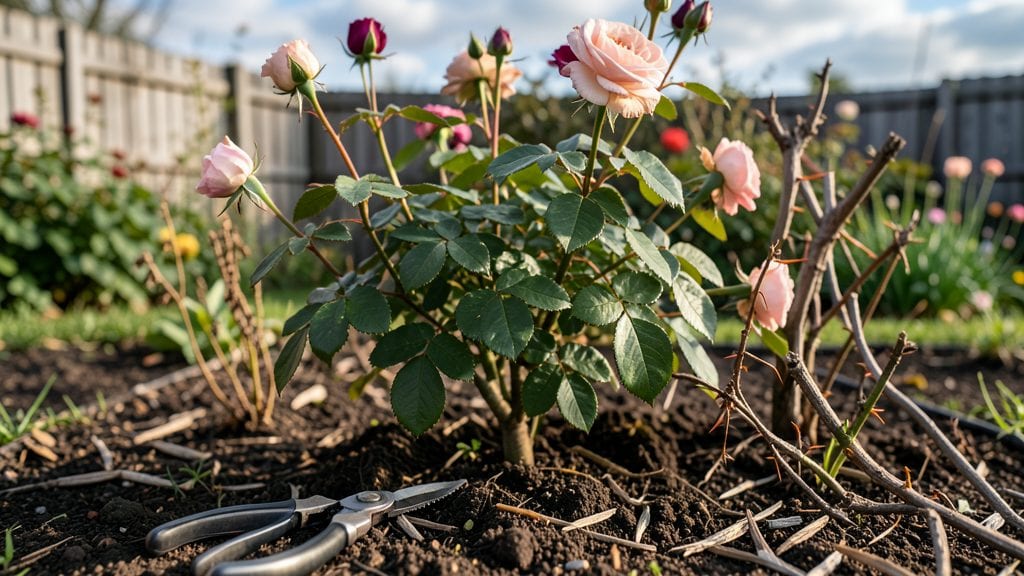
Pruning a plant isn't just about hacking back branches—it's the secret to keeping your garden lush and productive all year. 🌿 I learned the hard way that timing and technique make the difference between a bushy, blooming plant and one that struggles to survive.
The right cuts at the right time can transform a leggy mess into a thriving powerhouse.
You only need three basic tools: clean pruners, sharp loppers for thicker branches, and a sterilizing solution to prevent disease spread. Most plants benefit from three seasonal cuts—early spring to shape growth, mid-summer to encourage blooms, and late fall to clean up dead wood.
Roses, shrubs, and fruit trees all have their own rhythms, but the core principles stay the same.
When you nail the technique, you'll see new growth within weeks—thicker stems, more flowers, and fewer pests hiding in dense foliage. The air circulates better, diseases have fewer hiding spots, and your plants focus energy on what matters most. It's like giving your garden a fresh start every season.
Fair warning: over-pruning or cutting at the wrong time can set your plants back for months. But once you get the hang of it, you'll wonder how you ever lived without this simple, game-changing practice. Let's get those shears sharp and start pruning like a pro.
📚 In This Guide
- What you need
- Instructions
- Tips and common mistakes
- Wrapping up and next steps
What you need
- ● Pruning shears: Bypass pruners (for clean cuts on stems up to ½ inch thick) – 1 pair (look for stainless steel blades for durability).
- ● Loppers: Bypass or anvil type (for thicker branches up to 2 inches) – 1 pair (extendable handles help with taller plants!).
- ● Hand pruners: Anvil-style (for small, woody stems) – 1 pair (great for detail work).
- ● Garden gloves: Cut-resistant (to protect hands from thorns or rough edges) – 1 pair (nitrile-coated gloves are ideal).
- ● Disinfectant: Rubbing alcohol (70%+) or bleach solution (1:9 ratio) (to sterilize tools between cuts) – small bottle or spray.
- ● Sharpie or marker: Permanent, weather-resistant (for labeling cuts if needed) – 1.
- ○ Bucket or bag: For collecting pruned branches – 1 medium-sized (optional: compostable bags for easy cleanup).
- ● Pruning saw: For thick branches (2+ inches) – 1 (only if dealing with large plants like trees).
- ● Ladder or step stool: Sturdy and stable (for reaching high branches) – 1 (safety first—check weight limits!).
- ● Plant hormone paste: Rooting hormone (to encourage growth on cuttings) – small tube (useful if propagating!).
- ● Hose or water spray: (to clean tools and rinse off sap) – 1.
- ● Notebook or app: For tracking pruning dates and plant responses – 1 (helpful for long-term planning!).
Instructions for pruning plants the right way
Pruning isn't just about cutting—it's about timing and technique to keep your plants thriving year-round.
✂️ Step 1: Spring Pruning for New Growth
Start in early spring when new buds form but before leaves fully unfurl. This is your chance to remove any dead, diseased, or crossing branches that rub together. I always begin with a clean pair of sharp pruning shears—dull blades crush stems and invite infection. Make cuts at a 45-degree angle just above a leaf node or outward-facing bud to encourage healthy growth.
Look for stems that grew too long last season—they’ll be thin and leggy. Trim these back by one-third to promote bushier, stronger growth. If you’re pruning flowering plants, wait until after they bloom to avoid sacrificing flowers. The goal here is to shape the plant and remove anything that’s not contributing to its health.
☀️ Step 2: Summer Pruning for Shape and Airflow
Mid-summer is the time to fine-tune your plant’s shape and improve airflow. Focus on thinning out crowded branches to reduce humidity and prevent fungal diseases like powdery mildew. I like to step back and look at the plant from all sides—this helps me spot areas where light isn’t reaching the center. Use your shears to trim back any branches that are growing inward or crossing over others.
For flowering plants, you can lightly prune spent blooms to encourage more flowers, but avoid heavy cutting. The key is to keep the plant balanced and remove only what’s necessary. If you notice any yellowing or browning leaves, trim those off immediately—they’re not just unsightly, they’re draining energy from the rest of the plant. Always sterilize your tools with rubbing alcohol between cuts to prevent spreading disease.
✂️ Step 3: Fall and Winter Pruning for Cleanup
Late fall and winter are for cleanup and preparation. Remove all dead, damaged, or diseased branches first—these are easy to spot now that the plant is dormant. I also trim back any weak or overgrown stems by half their length to reduce stress on the plant when spring arrives. This is also the time to prune any suckers or unwanted shoots that appeared during the growing season.
For deciduous plants, wait until late winter to prune, just before new growth starts. Evergreens can be pruned in early winter while they’re still active. The goal here is to give your plant a fresh start for the next growing season. Avoid heavy pruning in late winter if frost is expected—new growth is vulnerable to cold damage. After pruning, rake up and dispose of any debris to keep pests and diseases at bay.
⏰ Step 4: Year-Round Maintenance Checks
Pruning isn’t just seasonal—it’s an ongoing process. Every few weeks, do a quick check for any branches that need trimming, whether it’s a single leaf or a whole stem. I keep a small pair of hand pruners in my gardening bag for these quick touch-ups. Watch for signs of stress like wilting, discoloration, or unusual growth patterns—these are clues that something needs attention.
Don’t forget to sterilize your tools after each use, even if it’s just a small trim. A little maintenance now saves you from bigger problems later. And remember, pruning is about balance—you’re not just cutting for the sake of it, you’re shaping the plant’s future. The more you prune, the easier it gets to spot what needs attention and what can stay.
Tips & tricks for perfect plant pruning
Mastering the art of pruning takes practice, but these key insights will help you avoid common mistakes and keep your plants thriving all year.
The Angle Matters: When you make those 45-degree cuts in Step 1, aim for the outward-facing bud just below the cut. This simple technique directs new growth outward, creating a fuller, more balanced plant shape. I learned this the hard way after pruning my rose bush and ending up with all the new growth pointing inward—creating a dense center that blocked sunlight.
Seasonal Timing Secret: In Step 3, when you're trimming back those weak stems by half their length, focus on removing the oldest growth first. This gives your plant room to develop new, vigorous shoots in spring. For deciduous plants, that late winter timing is crucial—waiting until just before new growth starts prevents shocking the plant when it's most vulnerable to cold damage.
Tool Maintenance Tip: Sterilizing your tools between cuts (as mentioned in Step 2) isn't just about disease prevention—it's about keeping your plants healthy. I keep a small bottle of rubbing alcohol in my gardening bag and wipe down my shears after every 3-4 cuts, especially when working with diseased branches. This simple habit has saved my plants from multiple fungal infections over the years.
Visual Cue for Year-Round Checks: During those weekly maintenance checks in Step 4, look for branches that form a "V" shape when viewed from above. These crossing branches rub against each other, creating wounds that invite infection. Removing just one branch from each pair opens up the plant's center and improves airflow—something I only noticed after my hydrangea developed powdery mildew from poor circulation.
Pro Tips for Prune A Plant
- Mastering the art of pruning takes practice, but these key insights will help you avoid common mistakes and keep your plants thriving all year.
- The Angle Matters: When you make those 45-degree cuts in Step 1, aim for the outward-facing bud just below the cut.
- Seasonal Timing Secret: In Step 3, when you're trimming back those weak stems by half their length, focus on removing the oldest growth first.
Frequently asked questions
Got questions about pruning? You’re not alone—even gardeners with years of experience have doubts! Here are answers to the most common questions to help you prune like a pro.
When is the best time to prune my plant?
The best time depends on your plant type! Deciduous trees and shrubs should be pruned in late winter or early spring (before new growth starts). Flowering plants may need pruning right after they bloom to encourage next year’s flowers. Evergreens can often be pruned in early spring or late fall. Always avoid pruning during extreme heat or cold.
Do I need special tools to prune?
Not necessarily! Basic hand pruners work for small branches, while bypass pruners or loppers handle thicker stems. For large trees, a pruning saw or even a pole saw may be needed. Disinfect tools with rubbing alcohol between cuts to prevent disease spread.
What if I prune at the wrong time?
Don’t panic—most plants are resilient! Pruning at the wrong time won’t kill your plant, but it may delay flowering, reduce growth, or stress the plant. If you accidentally prune too late, focus on light trimming and monitor for new growth. Some plants (like spring-bloomers) are more forgiving than others.
How much can I cut off without harming the plant?
As a general rule, never remove more than 25-30% of the plant’s foliage at once. Over-pruning can shock the plant, leaving it vulnerable to pests or disease. For fruit trees, limit cuts to 15-20% to ensure a good harvest. Always cut back to a bud or branch—never leave stubs!
What should I do if my plant looks sad after pruning?
If your plant seems stressed, water it well and avoid fertilizing for a few weeks. Yellowing leaves or slow growth? You may have pruned too much. Encourage recovery by keeping the soil moist, providing shade (if needed), and avoiding further cuts until new growth appears. Most plants bounce back in 4-6 weeks!
Are there plants I should never prune?
Some plants hate pruning and can suffer permanently. Avoid trimming bonsai trees, orchids, or succulents unless absolutely necessary. Other sensitive plants include cacti, olive trees, and some varieties of azaleas. When in doubt, research your specific plant before grabbing the shears!
Wrapping up and next steps
Pruning isn’t just a seasonal task—it’s the secret ingredient for thriving plants year-round! 🌿 By mastering the three seasonal cuts (spring, summer, and fall), you’ll encourage healthier growth, boost flower/fruit production, and keep your garden looking its best.
Whether you’re trimming roses, shaping shrubs, or deadheading annuals, every snip brings your plants one step closer to their full potential.
Ready to roll up your sleeves? Start with one plant today! Grab your pruners, dust off your gloves, and give it a try—your green thumb (and your garden) will thank you. Happy pruning! 🌱✨