
Companion Plants
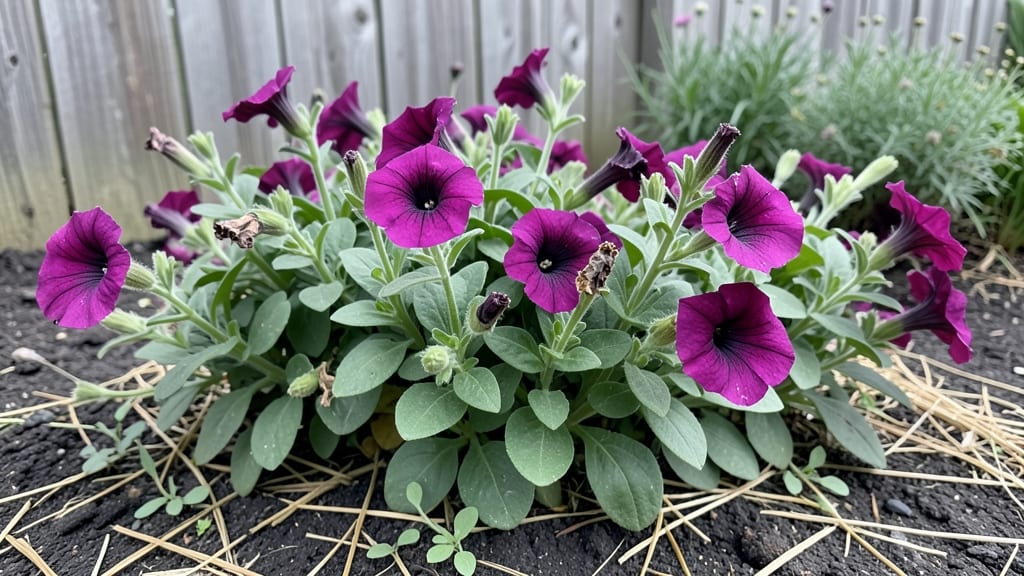
Live petunia plants bring instant color and a secret weapon against garden pests—those velvety blooms deter aphids and caterpillars while thriving in containers or garden beds. 🌿 I've learned that the key to long-lasting petunias starts the moment you bring them home, not when they're planted.
Most people rush the transplant process, but taking just 10 extra minutes to prep the soil and handle the roots makes all the difference in how quickly they bounce back.
The first 48 hours after transplanting are critical—petunias hate soggy roots but also dry shock. Water gently at the base (not overhead) and place them in partial shade for a day or two while they adjust.
Once they're settled, move them to full sun, where they'll reward you with blooms within 2-3 weeks if given the right care. I've seen petunias last all summer with minimal effort, but only when you follow these early steps.
After that, it's about feeding and shaping them right. A balanced fertilizer every 3-4 weeks keeps blooms coming, and pinching back leggy stems encourages bushier growth. The most satisfying part?
Watching them repel pests naturally—no sprays needed. Deadhead spent blooms regularly, and you'll have nonstop color until frost. There's nothing like a petunia border that thrives while keeping bugs away.
Works in hanging baskets, window boxes, or garden beds—just adjust spacing (12-18 inches apart) to match their final size. The biggest mistake? Overcrowding or underwatering. Let's get those plants established so you can enjoy bold blooms all season long.
Understanding Root Causes of Petunia Struggles
Live petunia plants are stunning additions to gardens, but even the hardiest varieties can face challenges that dim their vibrant blooms. Understanding why these issues arise helps gardeners take targeted action. Below, we break down the most common culprits—from environmental stress to biological threats—and explain the science behind their impact.
Petunias thrive in warmth but wilt when conditions become extreme. High temperatures (above 85°F/29°C) and low humidity cause:
- Transpiration Overload: Petunias lose moisture faster than their roots can absorb it, leading to wilting or leaf scorch. Their thin leaves lack the thick cuticle of drought-resistant plants, making them vulnerable.
- Root Suffocation: Intense heat can bake soil, compacting it and reducing oxygen flow to roots. This triggers anaerobic stress, where roots suffocate and absorb fewer nutrients.
- Sunburn: Direct midday sun (especially in hot climates) causes chlorophyll breakdown, turning leaves yellow or brown. This is most common in Petunia × hybrida varieties with thin foliage.
Actionable Fix: Mulch with 2–3 inches of straw or bark to retain moisture and cool soil. Water deeply in the early morning to minimize evaporation.
Petunias despise soggy roots. Overwatering or waterlogged soil leads to:
- Root Rot: Fungal pathogens like Phytophthora and Pythium thrive in waterlogged conditions, attacking roots and cutting off nutrient uptake. Symptoms include black, mushy roots and wilting despite moist soil.
- Nutrient Leaching: Excess water washes away essential nutrients (e.g., nitrogen, phosphorus, potassium), starving plants of energy. This causes stunted growth and pale leaves.
- Oxygen Deprivation: Roots need 10–15% air space in soil. Compacted or waterlogged soil forces them to suffocate, halting growth.
Actionable Fix:
- Use well-draining soil mixes (add perlite or sand to clay-heavy soil).
- Ensure pots have drainage holes and elevate them to prevent pooling.
- Water only when the top 1–2 inches of soil are dry (stick your finger in to check!).
Petunias are magnet for pests and pathogens due to their soft stems and lush foliage. Here’s how they strike:
| Pest/Disease | How It Attacks | Visible Signs |
|---|---|---|
| Aphids 🐜 | Pierce leaves/stems to suck sap, spreading viruses like Tobacco Mosaic Virus. | Sticky residue ("honeydew"), curled leaves, black sooty mold. |
| Powdery Mildew 🍄 | Fungal spores thrive in humid, shaded conditions, coating leaves with a white film that blocks sunlight. | White powdery patches, yellowing leaves, reduced blooms. |
| Spider Mites 🕷️ | Tiny pests create fine webs on undersides of leaves, draining chlorophyll. | Speckled yellow leaves, webbing, stunted growth. |
Actionable Fix:
- Prevent pests: Spray leaves with neem oil (1 tbsp per gallon of water) weekly.
- Improve airflow: Space plants 12–18 inches apart to reduce humidity.
- Remove infected parts: Prune affected leaves below the damage to stop spread.
Petunias are heavy feeders but collapse when soil lacks balance. Common issues:
- Nitrogen Deficiency: Leads to yellowing lower leaves (chlorosis) as the plant cannibalizes old foliage for protein.
- Phosphorus Shortage: Causes poor root development and small, weak blooms (critical for flowering).
- Magnesium Deficiency: Shows as interveinal yellowing (between leaf veins) due to disrupted chlorophyll production.
Actionable Fix:
- Test soil pH—petunias prefer 6.0–7.0. Adjust with lime (to raise) or sulfur (to lower).
- Fertilize with a balanced 10-10-10 or high-phosphorus (5-10-5) formula every 2–3 weeks during blooming season.
- Avoid over-fertilizing with nitrogen (e.g., lawn fertilizers), which promotes leafy growth over flowers.
Even healthy petunia starts can fail if mishandled during planting. Causes include:
- Root Damage: Roughly tearing roots during transplanting severs the plant’s water/nutrient pathways, leading to wilting within 24–48 hours.
- Shock from Temperature Swings: Moving plants from a greenhouse (70°F/21°C) to a scorching outdoor bed (90°F+/32°C+) causes osmotic stress, where cells lose water rapidly.
- Overcrowding: Planting too close (less than 8–12 inches apart) competes for sunlight, water, and nutrients, stunting growth.
Actionable Fix:
- Acclimate plants gradually: Harden off seedlings by exposing them to outdoor conditions for 7–10 days before full transplant.
- Water deeply before and after transplanting to reduce shock.
- Use root stimulants (like mycorrhizal fungi) to encourage root regrowth.
By pinpointing the root cause—whether environmental, biological, or cultural—you can revive your petunias and keep their blooms bold and pest-free. 🌸
Quick Fixes for Petunia Problems
Reviving and protecting your vibrant petunias doesn’t have to be a guessing game. Whether your blooms are wilting, pests are attacking, or growth has stalled, these practical, step-by-step solutions will get your petunias back to their show-stopping best.
Below, we’ve mapped common issues to easy fixes, plus pro tips to keep them thriving long-term.
Cause: Petunias hate soggy roots and dry soil—both stress them out. Fix It:
- Check the soil 🔍—Stick your finger 1–2 inches deep. If it’s damp, hold off on watering. If dry, give a deep drink (but avoid puddles!).
- Adjust your watering routine 💧—Water early in the morning (6–8 AM) to let foliage dry before evening. Aim for 1 inch of water per week, including rainfall.
- Improve drainage 🏗️—If your pot lacks holes, add a layer of perlite or coarse sand to the bottom. For garden beds, amend soil with compost to boost aeration.
- Trim the damage ✂️—Snip off yellowed leaves to redirect energy to healthy growth.
Prevent It:
- Use self-watering containers or drip irrigation for consistency.
- Mulch around plants to retain moisture without over-saturating roots.
Cause: These tiny troublemakers suck sap, causing stunted growth and discolored leaves. Fix It:
- Blast them off 💦—Spray plants with a strong stream of water (especially undersides of leaves) to knock off pests.
- Neem oil spray 🌿—Mix 1 tsp neem oil + 1 tsp mild soap + 1 quart water. Spray every 5–7 days until pests vanish. (Test on a small area first!)
- Introduce predator insects 🐞—Ladybugs and lacewings love munching on aphids. Buy them online or attract them with dill or fennel nearby.
- Isolate infected plants 🚫—Move them away from healthy petunias to prevent spread.
Prevent It:
- Inspect new plants 🔎—Quarantine them for a week before adding to your garden.
- Encourage beneficial bugs with marigolds or basil as companion plants.
Cause: Petunias stretch toward light (etiolation) or get weak from too much nitrogen. Fix It:
- Move to brighter light ☀️—Petunias need 6+ hours of direct sun daily. If indoors, place near a south-facing window or use grow lights.
- Prune leggy stems ✂️—Cut back overgrown stems by ⅓ to encourage bushier growth. Pinch off the tips of new growth to promote branching.
- Fertilize right 🌱—Use a balanced, bloom-boosting fertilizer (like 10-10-10 or 5-10-5) every 2–3 weeks during blooming season. Avoid high-nitrogen feeds (they make leaves, not flowers!).
Prevent It:
- Rotate pots weekly so all sides get even light.
- Deadhead regularly 🌸—This redirects energy to more flowers, not more stems.
Cause: Humid conditions + poor airflow = fungal party. Fix It:
- Boost airflow 🌬️—Space plants 12–18 inches apart and prune crowded foliage.
- Baking soda spray 🧂—Mix 1 tsp baking soda + 1 quart water + a drop of soap. Spray every 7–10 days (test on a leaf first).
- Copper fungicide 🛡️—For severe cases, use an organic copper spray (follow label instructions).
- Remove infected leaves 🗑️—Toss them in the trash (not compost) to stop spread.
Prevent It:
- Water at the base 💧—Avoid wetting leaves to reduce moisture buildup.
- Space plants properly to allow sunlight to dry foliage quickly.
Fix It:
- Shade cloth 🏖️—If temps hit 90°F+, drape lightweight shade cloth (30–50% coverage) over plants for a few hours daily.
- Mulch heavily 🌿—Use 2–3 inches of straw or wood chips to keep roots cool.
- Mist leaves 💦—Lightly mist foliage early in the morning to raise humidity (but avoid evening misting to prevent fungal growth).
Prevent It:
- Plant in late spring after the last frost but before peak summer heat.
- Choose heat-tolerant varieties like ‘Supertunia’ or ‘Wave’ petunias.
- Revive wilted petunias fast: Soak the pot in lukewarm water for 10 minutes to rehydrate roots.
- Boost blooms: A weekly epsom salt soak (1 tbsp per gallon of water) adds magnesium for stronger stems.
- Companion plants win: Pair petunias with marigolds, nasturtiums, or basil to deter pests naturally.
With these targeted fixes, your petunias will bounce back—and stay pest-free and flourishing! 🌸✨ Which problem are you tackling first? Share your progress in the comments!
Frequently asked questions
How soon can I expect blooms after planting live petunia plants?
With proper care, you’ll typically see vibrant blooms within 2-3 weeks of transplanting. Young plants may take slightly longer (up to 4 weeks) if they’re still establishing roots, but healthy specimens often reward you with color faster. The key is keeping them in full sun, watered consistently, and fertilized lightly after the first week.
Can I plant petunias in containers or do they only grow in garden beds?
Petunias thrive in containers! Use pots at least 12 inches wide for single plants or larger for multiple varieties. Ensure containers have drainage holes and choose a well-draining potting mix. Hanging baskets work beautifully too—just space plants 6-8 inches apart for optimal airflow and blooms.
Why are my petunia leaves turning yellow?
Yellowing leaves usually indicate overwatering or nutrient deficiencies. Check the soil moisture first—petunias prefer the top 1-2 inches dry between waterings. If the yellowing starts at the bottom, it may be nitrogen deficiency. For yellowing between veins, magnesium deficiency might be the issue. Try a balanced fertilizer or epsom salt soak (1 tbsp per gallon).
How do I keep petunias blooming all season long?
Regular deadheading (removing spent blooms) is the #1 secret! This encourages continuous flowering. Also fertilize every 3-4 weeks with a bloom-boosting formula (like 10-10-10), prune leggy stems by ⅓ to encourage bushiness, and ensure they get 6+ hours of sun daily. Mulching helps retain moisture and nutrients too.
Are petunias toxic to pets or children?
Petunias are generally considered non-toxic to pets and children, but they’re not completely safe either. While ingestion is unlikely to cause severe reactions, some varieties may cause mild stomach upset. If you have curious pets, it’s best to keep them in hanging baskets or elevated containers where they can’t be easily accessed.