
Pruning
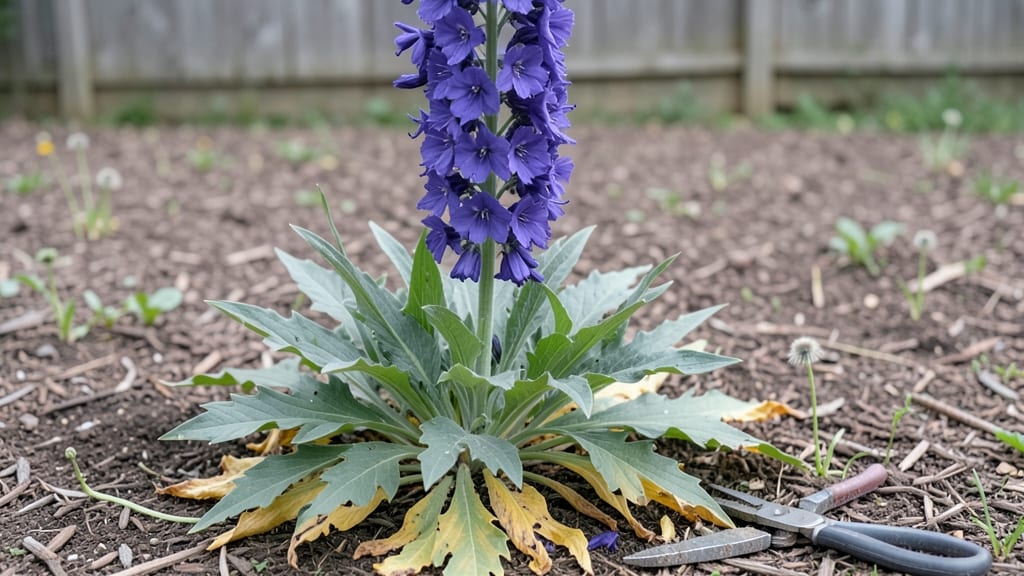
Pruning delphinium plants at the right time transforms them from scraggly stalks into towering, bloom-laden giants that dominate the summer garden. ✨ I learned this the hard way after nearly decapitating my first delphiniums in spring—only to watch them sulk for weeks before finally rebounding.
The key isn’t just when you cut, but how you shape the plant for maximum energy storage in its roots.
Timing matters most: late winter to early spring is ideal, before new growth appears, while post-bloom cleanup in late summer prevents disease. Use sharp bypass pruners to make clean cuts at a 45-degree angle, about ½ inch above a healthy bud.
Never remove more than ⅓ of the plant at once—delphiniums store energy in their thick roots, and aggressive pruning starves them of what they need for next year’s blooms.
After pruning, your delphiniums will reward you with velvety blue spikes that reach 4–6 feet tall, each loaded with dozens of blooms. The secret is patience: resist the urge to prune back hard stems in summer, as this triggers weak regrowth.
Instead, focus on removing only dead or diseased foliage and leaving the strong stems intact until after they’ve finished flowering.
For established plants, this method ensures decades of reliable blooms with minimal effort. Even neglected delphiniums can bounce back with proper pruning—just give them time to recover, and they’ll reward you with sturdy stems and abundant flowers year after year.
The first flush of blooms might be smaller, but subsequent years will make up for it.
📚 In This Guide
- What you need
- Instructions
- Tips and common mistakes
- Wrapping up and next steps
What you need
- ● Pruning shears or bypass pruners: Choose sharp, clean ones with a 4- to 6-inch blade for clean cuts. Avoid anvil pruners—they can crush stems.
- ● Garden gloves: A pair of durable, cut-resistant gloves (e.g., leather or heavy-duty nitrile) to protect your hands from thorns and sap.
- ● Disinfectant (70% isopropyl alcohol or bleach solution): 1 part bleach to 9 parts water to sterilize tools between cuts and prevent disease spread.
- ● Garden twine or plant ties: 3-4 feet of soft, flexible twine (e.g., jute or plastic-coated) to support stems after pruning if needed.
- ● Sturdy stakes or trellis: 2-3 wooden or metal stakes (5-6 feet tall) or a pre-installed trellis to secure tall delphinium stems post-pruning.
- ● Garden waste bag or bucket: A large, lined bag or 5-gallon bucket to collect pruned stems and debris.
- ● Watering can or hose with a gentle nozzle: For post-pruning hydration to reduce stress on the plant.
- ● Hand pruners: For smaller, hard-to-reach cuts on lower stems.
- ○ Plant growth regulator (optional): A diluted solution of seaweed extract or hormone-free pruning paste to encourage faster healing.
- ● Sunscreen and hat: If pruning on a sunny day, protect yourself from UV rays!
- ● Notebook or camera: To track pruning dates and plant progress over time.
Step-by-Step instructions for pruning delphinium plants
Here’s how I prune delphiniums to keep them healthy and blooming their best for years.
✂️ Step 1: Prune After the First Flowering Cycle
Wait until your delphiniums finish their first flush of blooms—usually by mid-summer—before cutting back. This is the key moment: you’re not just tidying up, you’re encouraging a second, often even more spectacular round of flowers. Use clean, sharp pruners to cut stems back by about one-third of their height, just above a set of healthy leaves or buds.
Real talk: don’t rush this step. If you prune too early, you’ll cut off next year’s flower buds forming on the stems. If you wait too long, the plant may have already put its energy into seed production, leaving little for new growth. You’ll know it’s time when most blooms have faded and new buds aren’t forming right away.
✂️ Step 2: Deadhead Regularly During the Season
As flowers fade but before they turn brown, snip off the spent blooms with your pruners. This redirects the plant’s energy from seed production back into growing more flowers. Cut just above the next set of leaves or side buds—never leave stubs. I like to do this on a dry morning so the cuts heal quickly and the plant isn’t stressed by wet conditions.
Here’s the thing—delphiniums are heavy bloomers, and deadheading keeps them looking their best. If you skip this, you’ll end up with a lot of seed pods and fewer flowers. Watch for the first signs of wilting in individual blooms, and that’s your cue to act.
✂️ Step 3: Cut Back in Late Fall or Early Winter
Once the first frost blackens the foliage, it’s time for a final prune. Cut the stems back to about 6 inches above the ground. This removes any dead or diseased material and makes it easier to spot new growth in spring. I always use sterilized pruners to prevent spreading any fungal spores that might be hiding in the garden.
Don’t worry about being too aggressive here—delphiniums are tough perennials. The key is to leave enough foliage to protect the crown from extreme cold. If you’re in a mild climate, you can wait until late winter to prune, but in colder zones, early action gives the plant a head start in spring.
✂️ Step 4: Light Pruning in Early Spring
When new shoots emerge in early spring, give your delphiniums a light trim to shape them and encourage bushier growth. Remove any dead, damaged, or crossing stems first—these compete for nutrients and weaken the plant. Then, cut back any remaining stems by about half their height, again just above a set of leaves or buds.
This is the moment that matters: it sets the stage for the entire growing season. You’ll see fresh, vibrant growth within a few weeks, and the plant will reward you with stronger stems and more abundant blooms. Avoid heavy pruning now, though—delphiniums need their energy to establish roots before putting out flowers.
Tips & tricks for pruning delphinium plants
These little details make all the difference between a healthy, thriving delphinium and one that struggles to bloom year after year.
Timing is Everything: In Step 1, when you're cutting back by one-third after the first flush, look for the plant's natural signals. The key is to wait until most blooms have faded but before seed pods form. I've learned this the hard way—cutting too early means losing next year's flower buds, while waiting too long means the plant focuses on seeds instead of new growth. Trust me on this: patience pays off with that second, even more spectacular bloom cycle.
Tool Prep Matters: Before you start deadheading in Step 2, sterilize your pruners with rubbing alcohol. This prevents spreading fungal spores that could infect your delphiniums. I keep a small bottle of alcohol in my gardening bucket and wipe down my pruners between plants. Also, make sure your blades are sharp—dull tools crush stems instead of making clean cuts, which stresses the plant.
Seasonal Strategy: For Step 3's late fall/early winter prune, don't be afraid to get aggressive with the 6-inch cut back. Delphiniums are tough perennials that store energy in their roots. The key is leaving enough foliage to protect the crown from winter cold. In my zone 5 garden, I always prune after the first hard frost when the foliage turns black—it's the plant's way of telling me it's ready.
Spring Growth Hack: When you do your light pruning in Step 4, focus on creating an open center. This improves air circulation, which prevents fungal diseases. I like to step back and visualize the plant from all sides—this helps me see which stems need removing to create that perfect vase shape. The goal is bushier growth without sacrificing next year's blooms.
Pro Tips for Pruning Delphinium Plants
- These little details make all the difference between a healthy, thriving delphinium and one that struggles to bloom year after year.
- Timing is Everything: In Step 1, when you're cutting back by one-third after the first flush, look for the plant's natural signals.
- Tool Prep Matters: Before you start deadheading in Step 2, sterilize your pruners with rubbing alcohol.
Frequently asked questions
Got questions about pruning your delphiniums? You’re not alone! Here are some of the most common queries—plus clear, actionable answers to keep your towering blooms thriving.
When is the best time to prune delphinium plants?
Prune after the first flush of blooms has faded (late spring to early summer) to encourage a second round of flowers. Avoid cutting back in fall—delphiniums need their foliage to store energy for next year. For deadheading (removing spent blooms), do it weekly to redirect energy to new growth.
Should I cut delphiniums back in the fall?
No! Cutting back delphiniums in fall can harm the plant. Instead, leave the stems intact until early spring. Once new growth appears (around late winter), trim back the old stems to 6–8 inches above the ground. This protects the crown and ensures a strong rebloom.
How far down should I cut delphinium stems?
For first-year plants, trim stems to 6–8 inches above the soil. For mature plants, reduce stems to 12–18 inches. Always cut at a 45-degree angle just above a leaf node to promote healthy regrowth. Avoid shearing—use clean, sharp pruners for clean cuts.
What if my delphiniums don’t rebloom after pruning?
Reblooming depends on variety, sunlight, and care. If your delphiniums skip the second bloom, check for these issues:
- Over-pruning: Too aggressive cuts can stress the plant.
- Poor soil: Amend with compost for nutrients.
- Lack of sunlight: Delphiniums need full sun (6+ hours daily).
- Disease: Yellowing leaves or spots? Prune infected areas immediately.
Can I prune delphiniums for bouquets without sacrificing blooms?
Cut stems early in the morning for the longest vase life. Leave at least 3–4 sturdy stems per plant to maintain structure. Support remaining stems with stakes or rings to prevent flopping. Deadhead spent blooms regularly to encourage more flowers for your arrangements.
Wrapping up and next steps
Pruning your delphinium plants might seem intimidating, but with the right timing and technique, you’ll unlock stunning, towering blooms year after year! Remember: deadhead spent flowers in summer, cut back faded stems in fall, and give them a fresh start in early spring.
A little effort now means big rewards—healthier plants and a garden that steals the show.
Ready to transform your delphiniums? Grab your shears and get pruning—your future blooms will thank you! 🌸 For extra confidence, bookmark this guide or share it with fellow gardeners. Happy gardening!