
Watering
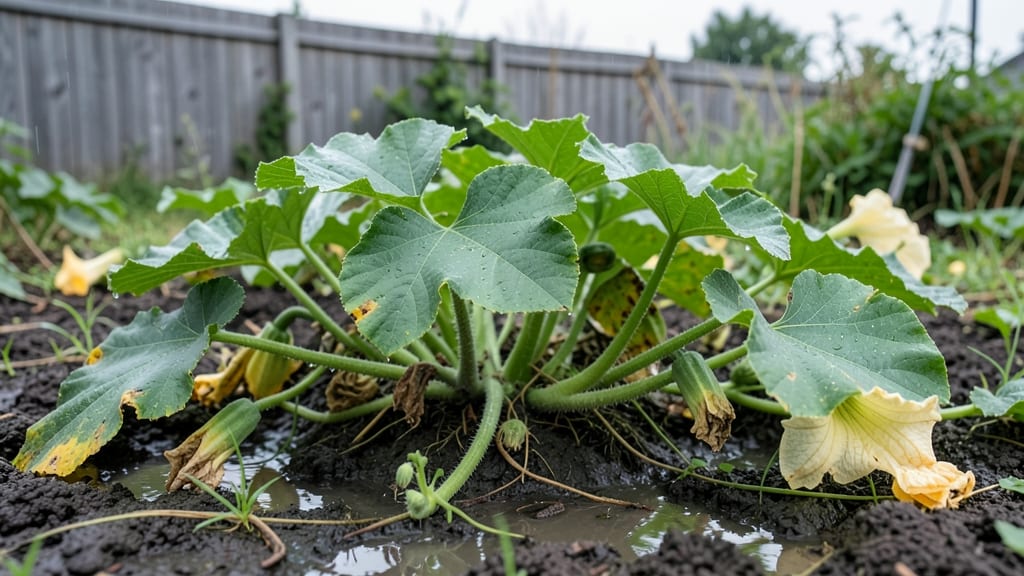
Overwatered squash plants turn your garden into a sad, yellow-leafed mess faster than you can say "blossom end rot." 🌱 I’ve watched healthy vines collapse into mush from too much love—water, that is—and I’m here to tell you how to bring them back to life in just three simple steps.
The key isn’t just cutting back on water; it’s fixing the root of the problem so your plants bounce back stronger than ever.
Yellow leaves aren’t just a sign of overwatering—they’re your plant’s SOS. Soft, mushy stems and fungal spots on the leaves? That’s your squash begging for better drainage and airflow.
Start by letting the top inch of soil dry out before watering again, and make sure your containers or beds have holes for excess water to escape. Prune away the worst-affected leaves to help the plant focus its energy where it counts.
Within a week, you’ll see new green growth pushing through, and those wilting vines will perk up like they’re in a spa retreat. The real secret? Consistency.
Once you’ve adjusted the watering schedule, stick to it—squash plants thrive when they get about 1-2 inches of water per week, whether from rain or your hose. No more guesswork, just steady, happy growth.
This fix works for both bush and vining squash, whether you’re growing in pots on a balcony or a full-size bed in the backyard. The only thing harder than reviving overwatered squash is ignoring the lessons they teach you—and trust me, you’ll never drown your plants again after this.
Root Causes Of Overwatered Squash
When your squash plants start looking sad with yellowing leaves, soggy soil, or wilting despite damp conditions, the issue often boils down to excessive moisture. Understanding the why behind this problem is the first step to saving your plants.
Let’s break down the key factors that lead to overwatered squash—and how they disrupt your plants’ health.
Squash plants thrive in well-draining soil, but when water can’t escape, roots suffocate. Here’s how poor drainage becomes a problem:
- Compacted Soil: Heavy clay or tightly packed soil traps water like a sponge, preventing oxygen from reaching roots. This cuts off the plant’s ability to absorb nutrients, leading to yellowing leaves.
- No Raised Beds or Mounds: Planting squash directly in flat ground (especially in rainy climates) means water pools around roots instead of draining away.
- Lack of Organic Matter: Soil rich in compost or perlite improves drainage, but sterile or dense soil holds water like a swamp.
Pro Tip: 💡 Test your soil’s drainage by filling a jar with soil and water—if water drains in less than 30 minutes, it’s too slow. Amend with coarse sand, perlite, or aged manure to fix it.
Even experienced gardeners can drown their squash by watering too frequently or in the wrong way. Here’s what goes wrong:
- Ignoring Soil Moisture: Checking the top inch of soil with your finger (or a moisture meter) tells you when roots need water. If it’s still damp, hold off!
- Automatic Irrigation Mistakes: Drip systems or sprinklers set on timers can deliver more water than squash roots can handle, especially in hot weather.
- Watering at the Wrong Time: Morning watering lets excess moisture evaporate, but evening watering keeps soil soggy overnight, inviting fungal diseases.
Pro Tip: ⏰ Water squash plants deeply 1–2 times per week (depending on climate) rather than light daily doses. Aim for 1–1.5 inches of water per week total.
Sometimes, Mother Nature herself is the culprit. Heavy rain, humidity, or poor airflow can turn your garden into a squash swamp:
- Excessive Rainfall: Squash plants in regions with frequent downpours (like the Southeast U.S.) can’t keep up with natural water input, leading to root rot.
- High Humidity + Poor Airflow: Stagnant air traps moisture around leaves, creating a breeding ground for Phytophthora (a deadly water mold).
- Container Overcrowding: Potted squash in small or poorly drained containers fill up with water faster, suffocating roots.
Pro Tip: 🌡️ Monitor weather forecasts and adjust watering schedules during rainy spells. Use mulch (straw or wood chips) to regulate soil moisture and improve airflow.
Even the hardiest squash varieties can drown if planted in the wrong conditions. Common blunders include:
- Low-Lying Areas: Planting squash in depressions or valleys means water collects around roots instead of draining away.
- Wrong Soil pH or Composition: Squash prefers slightly acidic to neutral soil (pH 6.0–7.0). Alkaline or waterlogged soils disrupt nutrient uptake.
- Overplanting Seeds: Crowded seedlings compete for resources, and water can’t penetrate thick foliage to reach lower leaves.
Pro Tip: ✨ Plant squash on mounds or ridges to encourage drainage. Space seeds 12–24 inches apart (depending on variety) for better airflow.
Revive Your Squash Plants Now
Overwatering can turn your thriving squash plants into sad, yellow-leafed shadows—but don’t worry! With the right steps, you can nurse them back to health and prevent future soggy soil struggles.
Below, we’ve mapped out practical fixes for common overwatering causes, plus prevention tips to keep your squash plants happy and productive.
If your squash plants are sitting in waterlogged soil, act quickly to avoid root rot.
Fix:
- Stop watering immediately 🚰—let the soil dry out before adding more water.
- Improve drainage by mixing in compost or perlite (1 part to 3 parts soil) to help excess water escape.
- Raise plant beds slightly (if in containers) or mound soil around the base to encourage airflow.
Prevention: ✅ Water deeply but less often—aim for 1–2 inches per week (adjust for rain). ✅ Check soil moisture by sticking your finger 2 inches deep—if damp, wait before watering.
Heavy, clay-like soil holds too much moisture, suffocating roots.
Fix:
- Loosen compacted soil gently with a fork or trowel without damaging roots 🌱.
- Add organic matter like aged manure, coconut coir, or shredded leaves to improve structure.
- Mulch heavily (2–3 inches of straw or wood chips) to regulate moisture and temperature.
Prevention: 💡 Test your soil—if it’s dense, amend before planting. 🌡️ Avoid watering at the same time daily—rotate spots to prevent soil crusting.
If your squash is in pots or raised beds without escape routes for water, roots drown.
Fix:
- Drill drainage holes in containers if missing (use a power drill or nail) 🔨.
- Repot into larger containers with fresh, well-draining potting mix.
- For in-ground plants, create a slight slope around the base to direct water away.
Prevention: ✨ Use lightweight mixes—avoid garden soil alone; blend with peat moss or vermiculite. ✨ Elevate pots on stands or bricks to prevent water pooling.
If leaves stay yellow even after adjusting water, fungal issues (like powdery mildew) may be lurking.
Fix:
- Prune affected leaves with clean shears 🪒 and dispose of them (don’t compost).
- Spray with neem oil (1 tsp per quart of water) to deter fungi.
- Space plants wider (3–4 feet apart) for better airflow.
Prevention: 🎯 Water at the base (not overhead) to keep foliage dry. 💪 Rotate crops yearly to prevent soil-borne diseases.
- Morning watering (before 10 AM) reduces evaporation and fungal risks.
- Use a moisture meter ($10–$20) to track soil dampness accurately.
- Watch for wilting—if leaves droop but soil is wet, root rot is likely.
With these fixes, your squash plants should bounce back in 7–14 days. Keep an eye on them, adjust as needed, and soon you’ll be harvesting plump, healthy squash instead of sad, yellowing leaves! 🎉
Frequently asked questions
How do I know if my squash plants are overwatered vs. underwatered?
Check the soil first—if the top 2 inches are damp but leaves are yellowing and wilting, you’ve overwatered. For underwatering, soil feels dry and leaves droop but bounce back when watered. Overwatered plants often have mushy stems and fungal spots, while underwatered ones have crispy edges.
Can I save squash plants with root rot from overwatering?
Early-stage root rot may recover if you stop watering immediately, improve drainage, and repot in fresh soil. Severely affected plants (black, smelly roots) won’t survive—remove them to prevent spreading. For containers, drill drainage holes and use a mix with 30% perlite to prevent recurrence.
Why do my squash leaves turn yellow after heavy rain?
Heavy rain can drown roots by saturating soil and blocking oxygen. To help, mound soil around the base to create airflow, and avoid watering for 3–5 days to let excess moisture evaporate. Mulch with straw to regulate moisture and prevent fungal growth from prolonged dampness.
Should I fertilize overwatered squash plants?
Wait until the plant recovers—fertilizing soggy soil can burn stressed roots. Once leaves perk up, use a balanced 10-10-10 fertilizer lightly (half-strength) to rebuild nutrients. Focus on drainage first; healthy roots will absorb nutrients better once the soil dries properly.
How often should I water squash in containers vs. garden beds?
Containers dry faster—water when the top 1 inch feels dry (every 2–3 days in hot weather). Garden beds need 1–2 inches per week, adjusting for rain. Use a moisture meter to avoid guesswork, and always water deeply to encourage strong root growth.