
Pests
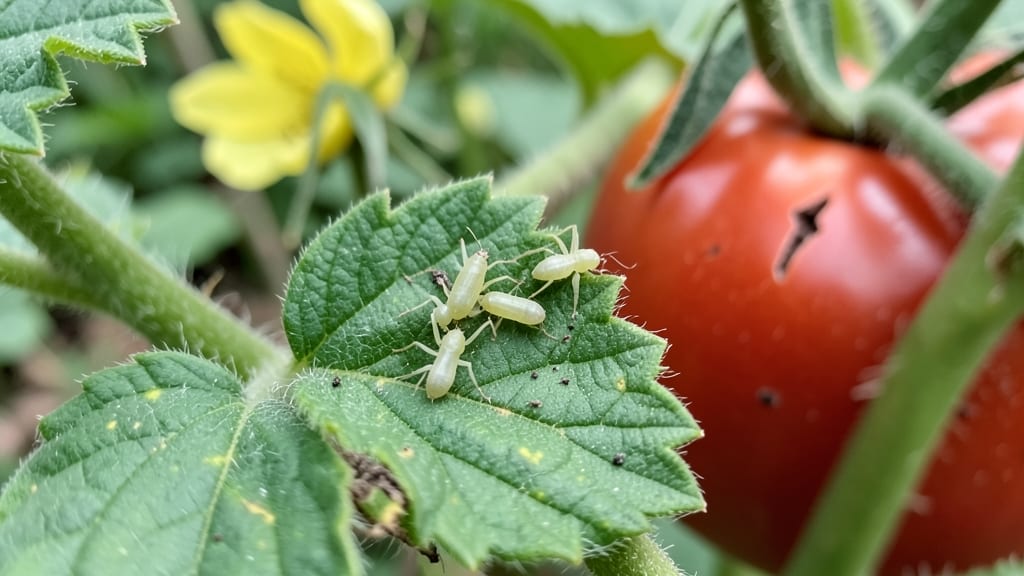
Those little bugs on tomato plants can transform your thriving vine into a skeleton of leaves in days—until you try these fast, organic fixes that actually work. 🌱 I’ve seen aphids, spider mites, and whiteflies turn lush foliage into a chewed-up mess... work.
The key is acting before the bugs multiply, and I’ll show you exactly how.
Most of these pests hide on the undersides of leaves or cluster near new growth. Look for sticky residue (aphid honeydew), silvery webbing (spider mites), or tiny black specks (early caterpillar droppings).
The good news? You don’t need harsh chemicals—just a spray bottle, some neem oil, and a few minutes of your time to save your plants.
Within 24 hours of treatment, you’ll see fewer bugs, and in a week, your tomatoes will bounce back stronger. The secret is combining immediate action (like blasting pests off with water) with long-term prevention (like introducing ladybugs or using row covers).
No more panic when you spot the first little critter.
This works for backyard gardens, containers, and even greenhouse setups—just adjust the timing based on your local pests. Let’s get those plants back to producing like nothing ever happened.
Root Causes Of Tiny Plant Invaders
When those tiny, uninvited guests start feasting on your tomato plants, it’s rarely just bad luck—it’s usually a mix of environmental signals, plant stress, and pest behavior. Understanding why these pests show up helps you disrupt their life cycle before they wreak havoc.
Here’s a breakdown of the most common triggers, explained in plain terms with science-backed insights.
Tomatoes thrive when they have space to breathe—literally. When plants are packed too closely, air circulation stalls, humidity rises, and leaves stay damp longer. This creates a perfect buffet for pests like aphids, whiteflies, and spider mites, which love moist, shaded conditions.
- Why it happens:
- Poor air flow traps honeydew (a sticky byproduct of sap-sucking pests), which attracts ants and fungal growth.
- Stressed plants (from drought, overwatering, or nutrient deficiencies) produce more sugary sap, a magnet for pests.
- Weak roots mean plants can’t fend off invaders—think of it like a tired bouncer at a club letting in everyone.
- Actionable fix:
- Space tomato plants 18–24 inches apart for optimal airflow.
- Prune lower leaves to reduce humidity near the soil (where eggs often hatch).
- Test soil pH—aim for 6.0–6.8 to boost plant resilience.
Pests aren’t just random—they’re opportunists that seek out cozy, protected spots where predators (like ladybugs or lacewings) can’t reach. Greenhouses, mulched beds, and dense foliage create these pest paradises, especially in warm weather.
- Why it happens:
- Greenhouses trap heat and humidity, accelerating pest reproduction (some bugs double their population in 7–10 days in ideal conditions).
- Mulch (while great for soil health) can harbor egg-laying pests like flea beetles or thrips if not kept dry.
- Pests like whiteflies are drawn to the undersides of leaves, where temperatures stay cooler and moisture lingers.
- Actionable fix:
- Use reflective mulch (like aluminum foil) to deter pests and reduce soil heat.
- Vent greenhouses daily to drop humidity below 60%.
- Install yellow sticky traps near plants to monitor (and catch) flying pests early.
Bringing home a new tomato seedling or potting mix is like rolling out the red carpet for hitchhiking pests. Many bugs—including fungus gnats, root-knot nematodes, and aphids—hide in soil, pots, or plant roots, waiting to infest your garden.
- Why it happens:
- 80% of nursery plants carry some pest or disease—even if they look healthy. Aphids, for example, can multiply exponentially within days of transplanting.
- Used pots or garden tools can harbor overwintering eggs (e.g., cucumber beetles lay eggs in soil that hatch the next spring).
- Compost or manure that’s not fully sterilized may contain nematode larvae or fungal spores.
- Actionable fix:
- Inspect every new plant under leaves and in soil for pests before planting. Quarantine for 1–2 weeks if possible.
- Sterilize tools and pots with a 10% bleach solution or boiling water.
- Use pasteurized compost (heated to 140°F for 1 hour) to kill nematodes and weed seeds.
In a balanced ecosystem, ladybugs, lacewings, and parasitic wasps keep pest populations in check. But if your garden lacks biodiversity—or you’ve used broad-spectrum pesticides—you’ve essentially removed the bouncers, leaving pests to party unchecked.
- Why it happens:
- Neonicotinoid pesticides (common in store-bought seeds/soils) kill beneficial insects along with pests, creating a vacuum effect where pests rebound faster.
- Monoculture gardens (planting only tomatoes) offer no habitat for predators, which need diverse plants for food and shelter.
- Some pests, like thrips, are so small they evade natural predators until their numbers explode.
- Actionable fix:
- Plant companion flowers like marigolds, alyssum, or dill to attract predator insects.
- Avoid chemical pesticides—opt for neem oil or insecticidal soap (less harmful to beneficial bugs).
- Install birdhouses or bat boxes to encourage pest-eating wildlife.
💡 Pro Tip: Keep a pest journal to track outbreaks. Note weather patterns, planting dates, and treatments—this helps you predict and prevent future infestations before they start.
Quick Fixes for Tomato Plant Pests
Discovering tiny bugs nibbling on your tomato plants can feel like a garden disaster—but don’t panic! Most pests are manageable with simple, effective solutions. Below, we’ve mapped out the best fixes for common culprits, from quick remedies to long-term prevention. No chemicals required! 🌱🐞
Signs: Sticky residue (honeydew), curled leaves, or clusters of small green/black bugs. Fix:
- Blast them off 💦: Spray aphids directly with a strong stream of water from your hose. Repeat every 2–3 days.
- Soapy water spray 🧼: Mix 1 tbsp mild dish soap with 1 quart of water. Spray leaves (avoid flowers) until aphids disappear.
- Introduce predators 🐞: Ladybugs, lacewings, and parasitic wasps love aphids. Buy them online or attract them with nectar-rich plants like dill or fennel.
Prevent: Plant marigolds or basil nearby—their strong scents repel aphids.
Signs: Fine webbing on leaves, yellowing spots, or leaves that look "dusted" with tiny specks. Fix:
- Wipe them down 🧹: Dampen a soft cloth with water and gently rub leaves to remove mites.
- Neem oil spray 🌿: Mix 1 tbsp neem oil + 1 tsp mild soap + 1 quart water. Spray undersides of leaves (where mites hide). Repeat weekly.
- Increase humidity 💧: Mites thrive in dry conditions. Use a misting bottle or shade cloth to keep plants moist.
Prevent: Prune plants for airflow and avoid over-fertilizing (excess nitrogen attracts mites).
Signs: Large green caterpillars (3–4 inches!) with white diagonal stripes, half-eaten leaves. Fix:
- Handpick them 👨🍳: Wear gloves and pluck hornworms into a bucket of soapy water. Check plants daily at dawn/dusk.
- Bacillus thuringiensis (Bt) 🔬: A natural bacteria spray that kills caterpillars without harming other insects. Reapply after rain.
- Encourage birds 🐦: Hang a bird feeder nearby—birds adore hornworms!
Prevent: Remove egg masses (tiny green ovals on leaves) early. Plant basil or dill to deter egg-laying.
Signs: Tiny white moths fluttering when you disturb plants; sticky residue on leaves. Fix:
- Sticky traps 🎣: Hang yellow sticky traps near plants to catch adults.
- Yellow soap spray 🧴: Mix 1 tbsp yellow dish soap + 1 quart water. Spray undersides of leaves.
- Kaolin clay 🏺: Dust plants with food-grade kaolin clay to create a barrier whiteflies can’t cross.
Prevent: Inspect new plants before bringing them indoors. Avoid overwatering (whiteflies love damp soil).
Signs: Tiny black flies hovering near soil; wilting seedlings or moldy topsoil. Fix:
- Yellow sticky cards 📜: Place cards near pots to trap adults.
- Diatomaceous earth (DE) 🌋: Sprinkle food-grade DE on soil surface—it dehydrates gnats (reapply after watering).
- Moisture control 💦: Let soil dry between waterings. Use pots with drainage holes.
Prevent: Use coconut coir instead of peat moss (gnats hate it). Add a layer of sand to soil to deter larvae.
💡 Pro Tip: For persistent problems, rotate solutions every 5–7 days to prevent pests from building resistance. And always check the undersides of leaves—that’s where bugs love to hide! 🕵️♂️
Frequently asked questions
What are the most common tiny bugs on tomato plants?
You’ll likely spot aphids (tiny green/black clusters), spider mites (almost invisible until they web leaves), or whiteflies (tiny white moths that flutter when disturbed). Look on leaf undersides—pests love hiding there! Other culprits include fungus gnats (tiny black flies near soil) and hornworms (large green caterpillars).
How do I tell if my tomato plant is seriously damaged?
Check for yellowing leaves, sticky residue (aphid honeydew), webbing (spider mites), or chewed holes (hornworms). If you see more than 20% leaf loss or wilting, act fast—these pests spread quickly! A quick spray with soapy water or neem oil can turn things around in days.
Can I use vinegar to kill these bugs?
Yes, but with caution! Mix 1 tablespoon white vinegar + 1 teaspoon dish soap + 1 gallon water and spray directly on pests. Avoid spraying in direct sunlight or on hot days—vinegar can burn leaves. For best results, apply in the early morning and reapply every 3–4 days. Test a small leaf first!
Will my tomato fruits still be safe to eat if bugs are present?
Most tiny pests (like aphids or spider mites) don’t directly harm fruit, but their droppings or honeydew can attract mold or ants. Wash fruits thoroughly before eating. However, hornworms can chew fruit—remove them immediately. If you’ve used neem oil or insecticidal soap, wait 24 hours before harvesting to avoid residue.
How can I prevent future infestations without chemicals?
Start with companion planting—marigolds, basil, and nasturtiums repel pests naturally. Use row covers for young plants, and prune regularly to improve airflow. Introduce beneficial insects like ladybugs or lacewings, and rotate crops yearly to disrupt pest cycles. Healthy soil = stronger plants that resist pests!