
Pests
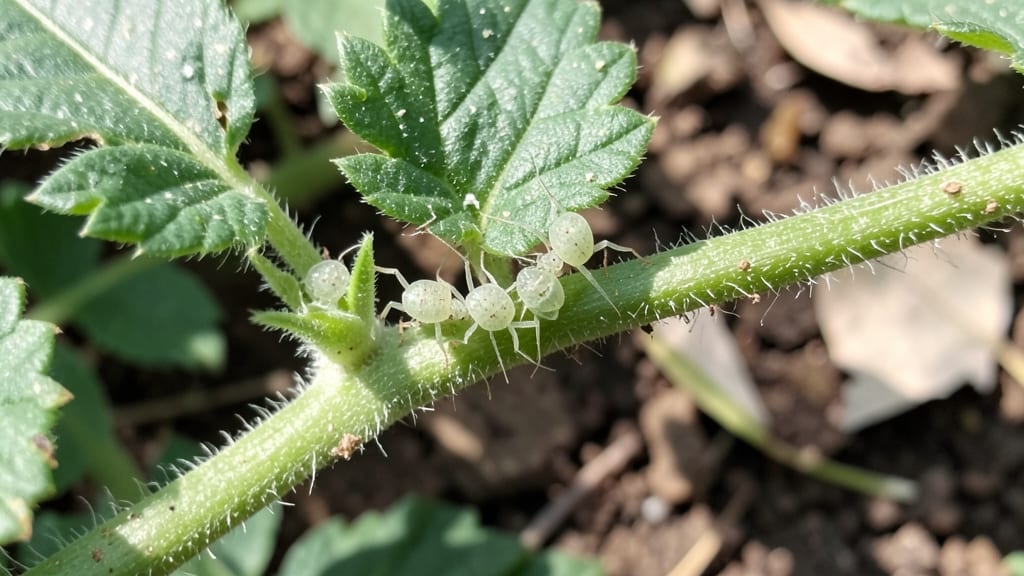
Bugs on tomato plant leaves turn your lush green canopies into a buffet—aphids, hornworms, and spider mites can strip your plants bare if you don’t act fast.
I’ve lost entire harvests to these pests, but I’ve also saved others by spotting the first signs early: sticky residue, chewed leaves, or tiny webs. The key is knowing what you’re dealing with before the damage spreads.
Most tomato leaf pests thrive in hot, dry conditions, so keeping your plants well-watered and shaded during peak afternoon sun cuts their numbers dramatically.
I’ve used a simple spray of neem oil mixed with water (1 tablespoon per quart) to knock back aphids and spider mites within 24 hours, and it’s safe to repeat every 3-5 days.
For hornworms, though, you’ll need to handpick them—those striped caterpillars grow faster than you can say “sauce ruined.”
Once you’ve identified the culprit, prevention becomes your best friend. Companion planting with basil, marigolds, or nasturtiums confuses pests, while row covers create a physical barrier. I swear by early morning inspections—that’s when you’ll spot the first signs before they become a full-blown crisis.
A healthy tomato plant fights back, but it needs your help to win.
This isn’t just about saving your leaves—it’s about protecting your entire harvest. The right mix of organic sprays, companion plants, and vigilance keeps your tomatoes thriving from seedling to ripe fruit. Let’s get those pests under control before they take over.
Underlying Causes of Leaf Invaders
When you spot tiny critters munching on your tomato leaves, it’s rarely just bad luck—there’s usually a reason they’ve chosen your plants as their all-you-can-eat buffet. Understanding why these pests show up is the first step to kicking them out for good.
Below, we break down the most common triggers, from environmental factors to plant health red flags.
Tomato plants under stress—whether from poor spacing, nutrient deficiencies, or disease—emit chemical signals that attract pests. Why? Weak plants can’t defend themselves as effectively, and their compromised leaves become an easy snack. Overcrowding also creates a cozy, humid microclimate where bugs thrive.
- Root-bound plants: If roots are circling in a pot or competing for space in the soil, they struggle to absorb water and nutrients, weakening foliage.
- Nutrient deficiencies: Lack of nitrogen (yellow leaves), phosphorus (purple stems), or potassium (weak stems) makes plants vulnerable.
- Disease pressure: Fungal infections (like early blight) or viral diseases create entry points for pests like aphids and whiteflies.
Actionable fix: Thin out plants to allow airflow, test soil pH (aim for 6.0–6.8), and fertilize with a balanced formula (10-10-10) if leaves look pale or stunted.
Pests love hiding in clutter. Leaves, weeds, and organic matter near your tomato plants act like pest hotels, sheltering eggs and adults until they’re ready to feast. Common culprits:
- Leaf litter: Fallen leaves trap moisture, creating ideal conditions for slugs, snails, and fungal-loving pests like spider mites.
- Weeds: Many garden pests (e.g., flea beetles, aphids) overwinter in weed patches and migrate to tomatoes when hungry.
- Mulch buildup: Thick mulch can suffocate soil, reducing beneficial microbes that naturally repel pests.
Actionable fix: Clear debris weekly, mulch sparsely (2–3 inches), and remove weeds within a 3-foot radius of your plants.
Bugs like aphids, whiteflies, and fungus gnats are drawn to excess moisture—whether from overwatering, poor drainage, or evening dew. Why? Damp leaves create a breeding ground for pests and the diseases they spread.
| Issue | Pests Attracted | Signs to Watch For |
|---|---|---|
| Overwatering | Fungus gnats, slugs, soft-bodied insects (e.g., whiteflies) | Yellowing leaves, moldy soil, wilting despite wet soil |
| Poor drainage | Root maggots, cutworms, spider mites (drought-stressed plants) | Water pooling, roots exposed at soil surface |
| Evening watering | Aphids, spider mites (leaves stay damp overnight) | Sticky residue on leaves, webbing |
Actionable fix: Water at the base in the morning, use drip irrigation to avoid wetting foliage, and ensure pots/containers have drainage holes.
Not all tomato plants are equally tempting to pests. Some varieties are bug magnets:
- Heirloom tomatoes: Often have thinner leaves and higher sugar content, attracting aphids and whiteflies.
- Greenhouse-grown starts: Young plants from nurseries may already be infested with hidden pests like thrips or spider mites.
- Succulent leaves: Varieties like ‘Brandywine’ or ‘Cherokee Purple’ have soft, fuzzy foliage that pests adore.
Actionable fix: Choose disease-resistant hybrids (e.g., ‘Celebrity,’ ‘Mountain Merit’) and inspect new plants for pests before transplanting. Quarantine them for 48 hours to spot hitchhikers.
Pro tip: 🌡️ Monitor humidity—pests thrive in 70–90% humidity. Use a hygrometer and aim for <60% to deter soft-bodied insects.
Quick Fixes for Leaf Pests
Spotting unwanted critters munching on your tomato plant leaves can be frustrating, but acting fast is key to saving your harvest. Below are practical, step-by-step solutions tailored to the most common culprits—from aphids to spider mites—and how to prevent future invasions. No fancy tools required, just smart strategies!
These sap-sucking pests cluster on the undersides of leaves, leaving behind sticky residue (aka "honeydew"). Here’s how to kick them to the curb:
🔥 Immediate Action: Blast Them Away
- Water blast: Use a strong stream of water from your hose to dislodge aphids. Aim at the undersides of leaves where they hide.
- Soapy water spray: Mix 1 tablespoon of mild dish soap (like Castile soap) with 1 quart of water. Spray directly on infested areas. Test on a small leaf first to avoid damage.
👨🍳 DIY Traps & Predators
- Ladybugs & lacewings: Release beneficial insects (available at garden centers). They love munching on aphids.
- Yellow sticky traps: Hang these near your plants to lure and trap aphids away.
🌡️ Prevention Tips
- Neem oil spray: Apply every 7–10 days as a deterrent. Mix 1 tablespoon neem oil + 1 teaspoon mild soap + 1 quart water.
- Interplant with herbs: Basil, mint, or marigolds repel aphids naturally.
- Prune regularly: Remove heavily infested leaves and dispose of them in sealed bags.
Tiny red or yellow mites spin webs and cause stippling (tiny white dots) on leaves. They thrive in dry, hot conditions.
🍳 Rinse & Repeat
- Wet cloth wipe-down: Use a damp microfiber cloth to physically remove mites from leaves. Do this every 2–3 days until gone.
- Horticultural oil: Spray leaves with a 2% horticultural oil solution (follow label instructions). Reapply every 5–7 days.
⏰ Timing Is Everything
- Early morning spray: Apply treatments when mites are least active (early morning or late evening).
- Increase humidity: Use a fine mist sprayer to boost moisture around plants—mites hate humidity!
🎯 Long-Term Defense
- Mulch heavily: Keeps soil moist and deters mites.
- Avoid over-fertilizing: Too much nitrogen attracts mites.
- Introduce predatory mites: Phytoseiulus persimilis (available online) are natural mite hunters.
These green caterpillars can devour entire leaves overnight. Act fast before they strip your plant bare!
🔪 Manual Removal (Best First Step)
- Handpick them: Wear gloves and pluck hornworms off leaves. Drop them into soapy water to kill them instantly.
- Check daily: Young tomato plants are especially vulnerable—inspect leaves morning and night.
🥘 Natural Deterrents
- Parasitic wasps: These tiny wasps lay eggs in hornworms, killing them naturally. Welcome them to your garden!
- Diatomaceous earth: Sprinkle food-grade DE around the base of plants. It’s harmless to humans but deadly to hornworms.
💡 Pro Tip
- Plant basil nearby: Hornworms avoid basil. Plus, you’ll get fresh herbs for your tomato sauces!
These small white bugs flutter away when disturbed and leave a sticky mess. They’re tough but beatable!
🌿 Yellow Sticky Traps
- Place yellow sticky cards above plants to trap adult whiteflies. Replace every 1–2 weeks.
👨🍳 Soap Spray + Neem Oil Combo
- Mix 1 tablespoon neem oil + 1 teaspoon soap + 1 quart water. Spray undersides of leaves thoroughly.
- Repeat every 5 days until no more flies are seen.
🌡️ Heat Treatment (For Severe Cases)
- Blast with hot water: Use a spray bottle filled with water heated to 110°F (43°C). Target infested areas directly.
🎯 Prevention
- Reflective mulch: Use silver or aluminum mulch to disorient whiteflies.
- Avoid overwatering: Whiteflies love damp soil.
An ounce of prevention is worth a pound of cure. Keep these tips in mind year-round:
- ✅ Rotate crops: Don’t plant tomatoes in the same spot yearly to disrupt pest life cycles.
- ✅ Healthy soil = healthy plants: Use compost and balanced fertilizer to make plants less attractive to pests.
- ✅ Inspect regularly: Check leaves (especially undersides) every 2–3 days during growing season.
- ✅ Encourage biodiversity: Plant flowers like alyssum or dill to attract beneficial insects.
With these strategies, your tomato plants will stay pest-free and thriving. Happy gardening! 🍅🌿
Frequently asked questions
What are the first signs that my tomato plant leaves have pests?
Look for tiny webs on undersides of leaves (spider mites), clusters of small bugs (aphids), or chewed edges (hornworms). Sticky residue on leaves means aphids or whiteflies are feeding. Check leaves early morning when pests are sluggish and easier to spot.
Can I use vinegar spray to kill bugs on tomato leaves?
Yes, but dilute it properly! Mix 1 tablespoon white vinegar + 1 teaspoon dish soap + 1 quart water and spray directly on pests. Avoid spraying in direct sunlight—it can burn leaves. Test on a small area first and reapply every 3-4 days for stubborn infestations.
How do I tell if my tomato leaves have spider mites vs. aphids?
Spider mites create fine webbing and leave tiny yellow dots on leaves, while aphids cluster in groups and leave sticky honeydew. Hold a white sheet under leaves and shake—the mites will drop and look like red/yellow specks, while aphids will crawl away.
Will neem oil harm my tomato plants if I use it too often?
Neem oil is safe when used correctly, but don't apply more than every 7-10 days. Overuse can stress plants. Always mix with water and mild soap (1 tbsp neem + 1 tsp soap per quart) and apply in early morning or evening to avoid leaf burn from sunlight.
Can I still harvest tomatoes if the leaves have bugs?
Yes, but focus on fruits that aren't directly affected. Bugs on leaves rarely contaminate tomatoes unless they're sap-suckers like aphids (which can spread viruses). Wash tomatoes thoroughly before eating. Remove heavily infested leaves to redirect the plant's energy to fruit production.