Aphids
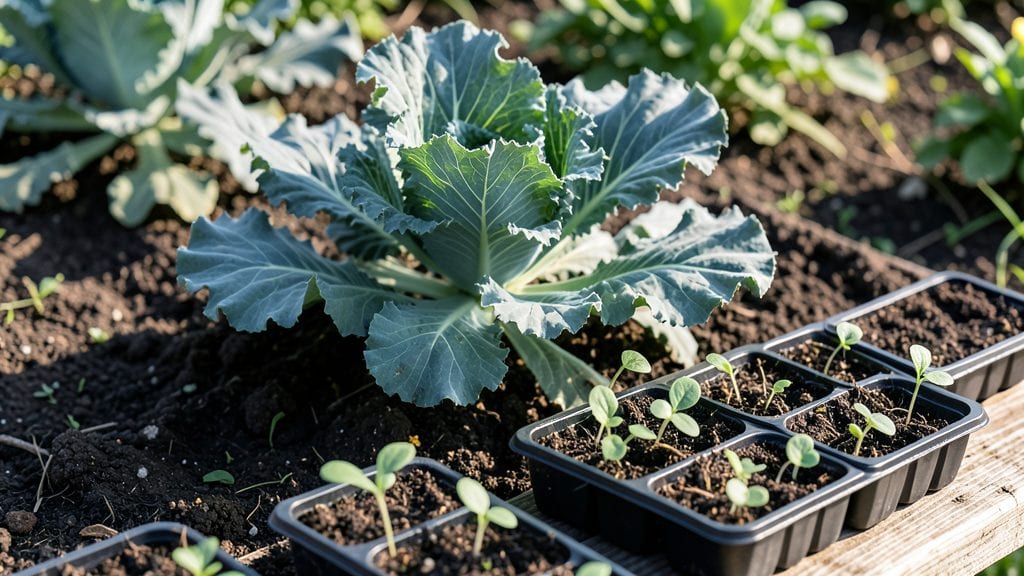
Planting kale in summer isn't just possible—it’s the secret to year-round harvests that outlast the heat. 🌿 I learned this the hard way after watching my spring kale bolt in July, but the right varieties and timing turn summer into kale’s second chance.
The key? Heat-tolerant types like 'Dwarf Blue Curled' or 'Lacinato' and a few smart tricks to keep them thriving when temps climb.
Summer kale needs well-draining soil mixed with compost and a spot with afternoon shade, especially in hotter zones. Succession planting every 2-3 weeks ensures a steady supply, while shade cloth (30-50%) prevents bolting.
I’ve grown kale in 90°F+ heat by watering deeply at the base in the morning and avoiding overhead sprinklers that invite pests.
You’ll harvest tender, sweet leaves starting just 4-6 weeks after planting, with plants producing for months if you keep them cool and well-watered. The first flush of summer kale is especially flavorful—bold, slightly sweeter than spring varieties, and packed with nutrients. Plus, the thick leaves deter many pests naturally.
This works in zones 5-10, though timing shifts: plant in late June-July in cooler areas, or August-September in the South. For containers, choose compact varieties in 5-gallon pots with good drainage. The payoff? Kale that keeps producing when most gardens call it quits.
📚 In This Guide
- What you need
- Instructions
- Tips and common mistakes
- Wrapping up and next steps
What you need
- ● Kale Seeds or Seedlings: Choose heat-tolerant varieties like Lacinato (Dinosaur Kale), Red Russian, or Winterbor (1–2 oz. for direct sowing or 6–12 plants for transplanting).
- ● Organic, non-GMO seeds preferred for pest resistance.
- ● Well-Draining Soil: Test soil pH (ideal: 6.0–7.0; amend with compost if needed).
- ● 1–2 cubic yards of compost or aged manure per 100 sq. ft. to enrich soil.
- ● Fertilizer: Balanced organic fertilizer (e.g., 5-5-5 or 10-10-10, 1 lb. per 100 sq. ft.).
- ○ Fish emulsion or seaweed extract (optional, for extra nutrients).
- ● Gardening Gloves (1 pair, nitrile-coated for durability).
- ● Hand Trowel or Transplant Spade (for digging holes or sowing seeds).
- ● Watering Can or Hose with Nozzle (fine mist setting for seedlings).
- ● Row Cover or Lightweight Shade Cloth (3–4 ft. wide, 30–50% shade to protect young plants from intense sun).
- ● Pest Control: Neem oil spray (1–2 oz. per gallon of water, for aphid prevention).
- ● Insecticidal soap (ready-to-use spray bottle).
- ○ Beneficial nematodes (optional, for soil-dwelling pests like cabbage worms).
- ● Sunlight: Full sun (6–8 hours/day) or partial shade (4–6 hours) in hot climates.
- ● Spacing: Direct-sow seeds 1/4 inch deep, 12–18 inches apart.
- ● Transplant seedlings 18–24 inches apart in rows 2–3 feet apart.
- ● Watering Schedule: Keep soil consistently moist (1–1.5 inches of water per week).
- ● Succession Planting Plan: Sow every 2–3 weeks for continuous harvests.
Step-by-step instructions for summer kale planting
Here’s my foolproof method for growing hardy, flavorful kale when most gardeners give up—summer heat actually improves its sweetness.
🌱 Step 1: Select Heat-Tolerant Varieties and Prepare Soil
Choose varieties bred for summer like ‘Vates’ or ‘Dwarf Blue Curled’—they handle 85-90°F without bolting. Work 2-3 inches of compost into the top 6 inches of soil to improve drainage and retain moisture. Kale thrives in full sun to partial shade, but in summer, afternoon shade prevents leaf scorch. Test soil pH—aim for 6.0-7.0; amend with lime if needed.
I like to add a 1-inch layer of straw mulch after planting to keep roots cool and conserve moisture. The mulch also deters pests like flea beetles, which love young kale leaves. Work the compost and mulch into the soil 1-2 days before transplanting to let it settle.
🌿 Step 2: Transplant Seedlings at the Right Time and Spacing
Set out seedlings when nighttime temperatures stay above 55°F, typically late June to early July in most climates. Space plants 12-18 inches apart in rows 24 inches apart—this gives leaves room to grow large and prevents disease spread. Dig holes slightly deeper than the root ball to encourage strong root establishment.
Water deeply before planting to help roots slide into the soil without air pockets. Press soil gently around the base but avoid compacting it—kale roots need air to breathe. If transplanting in full sun, provide 30% shade cloth for the first 7-10 days to ease the shock.
💧 Step 3: Water Deeply and Maintain Consistent Moisture
Water 1-2 inches per week, aiming for deep, infrequent soakings rather than light daily sprinkles. Kale’s thick leaves hold moisture well, but roots need consistent dampness to prevent bitterness. Water at soil level—never overhead—to avoid fungal diseases like downy mildew. The best time to water is early morning, so leaves dry quickly.
Check moisture by sticking your finger 1 inch into the soil; if it’s dry, water again. In 90°F+ heat, you may need to water every 2-3 days. A 5-gallon bucket of water per plant weekly keeps roots hydrated without over-saturating the soil.
✂️ Step 4: Harvest Strategically for Continuous Production
Start harvesting outer leaves when they reach 6-8 inches tall, leaving the inner leaves to grow. Use clean, sharp scissors to cut 1-2 inches above the growing point—this encourages bushier growth. Regular harvesting prevents bolting and keeps plants productive for 6-8 weeks in summer.
For baby kale, harvest when leaves are 3-4 inches tall—they’re sweeter and more tender. If leaves turn bitter, it’s a sign of stress (usually heat or drought). In this case, provide afternoon shade and water more frequently. You’ll get 3-4 harvests per plant before replanting for fall.
☀️ Step 5: Protect Plants from Pests and Bolting
Use row covers or floating row fabric to block cabbage moths and flea beetles, which can devastate kale in summer. Apply neem oil spray weekly as a preventative—it’s organic, safe, and deters pests without harming beneficial insects. Remove any yellowing or damaged leaves immediately to prevent disease spread.
If plants start to bolt (send up flowering stems), trim the flower buds aggressively—they’ll steal energy from leaf production. In extreme heat (above 95°F), provide drip irrigation to keep roots cool. With these steps, your summer kale will stay sweet, crisp, and productive long after most gardeners have given up.
Tips & tricks for perfect summer kale planting
Summer kale thrives when you pay attention to the details that most gardeners overlook. Here's what I've learned after growing bold, pest-resistant varieties through multiple scorching summers.
Variety Selection Matters: While 'Vates' and 'Dwarf Blue Curled' handle heat beautifully, don't overlook 'Lacinato' (also called dinosaur kale) for its thick, heat-resistant leaves. I've found that these varieties not only tolerate the 85-90°F range mentioned but actually develop sweeter flavors when grown in summer heat. The key is selecting the right cultivar—some bolt at 75°F, while these summer varieties push that threshold to 90°F without sending up flowers.
Soil Preparation is Non-Negotiable: The 2-3 inches of compost worked into the top 6 inches of soil creates a moisture reservoir that's crucial during summer's dry spells. I've seen kale plants wilt dramatically when this step is skipped, even with frequent watering. The straw mulch layer you add afterward acts like a cooling blanket—keeping roots 5-10°F cooler than surface temperatures. This temperature differential is what prevents bolting in summer heat.
Transplanting Timing is Critical: Waiting for nighttime temperatures to stay above 55°F ensures seedlings establish strong roots before summer's intensity peaks. I've had the best success transplanting in late June when daytime highs reach 80°F but nights dip no lower than 60°F. The 7-10 days of 30% shade cloth after transplanting is absolutely essential—it gives plants time to acclimate without getting sunburned. Without this adjustment period, seedlings often crisp up within days.
Watering Strategy Prevents Bitterness: The 1-2 inches per week guideline becomes 2-3 inches when temperatures exceed 90°F. I measure this by using a rain gauge or simply placing a straight-sided container in the garden. The soil moisture check at 1 inch depth is your best indicator—if it's dry at this depth, it's time to water. The early morning watering schedule prevents fungal diseases by allowing leaves to dry completely before nightfall, when humidity peaks.
Pro Tips for Kale Summer Planting
- Summer kale thrives when you pay attention to the details that most gardeners overlook. Here's what I've learned afte...
- Variety Selection Matters: While 'Vates' and 'Dwarf Blue Curled' handle heat beautifully, don't overlook 'Lacinato' (...
- Soil Preparation is Non-Negotiable: The 2-3 inches of compost worked into the top 6 inches of soil creates a moisture...
Frequently asked questions
Got questions about planting kale in summer?
You’re not alone! Here are answers to the most common queries—from timing to troubleshooting—to help you grow thriving, aphid-resistant kale all season long.
When is the best time to plant kale in summer?
For summer planting, aim for early spring or late summer (6–8 weeks before your first frost). Kale thrives in cooler temps (50–75°F), so avoid peak summer heat. If you’re in a hot climate, opt for heat-tolerant varieties like Lacinato or Red Russian and provide afternoon shade.
How do I prevent aphids from destroying my summer kale?
Aphids love tender kale! Start with pest-resistant varieties like Winterbor or Dwarf Blue Curled. Use neem oil or insecticidal soap as a preventative spray, and introduce ladybugs or lacewings for natural control. Prune heavily infested leaves to reduce spread.
Can kale survive summer heat?
Most kale wilts in extreme heat (above 80°F), but bolt-resistant varieties like Red Russian or Toscano handle it better. To help your plants:
- Mulch heavily to retain moisture
- Water deeply at the base (avoid wetting leaves)
- Use shade cloth (30–50%) if temps soar
What’s the fastest way to harvest kale in summer?
For continuous harvests, use the cut-and-come-again method:
- Snip outer leaves (1–2 inches from the stem) when mature
- Leave the center intact to regrow
- Harvest every 2–3 weeks for tender, young leaves
What can I plant instead of kale if summer growing fails?
If kale struggles in your summer climate, try these low-maintenance, heat-tolerant alternatives:
- Swiss chard (more heat-resistant, similar harvest method)
- Collard greens (thrives in warm soil, great for southern summers)
- Malabar spinach (vining, tropical-friendly, edible leaves)
- Amaranth (drought-tolerant, edible greens + seeds)
Wrapping up and next steps
Ready to transform your garden into a kale powerhouse?
Summer planting is your chance to grow bold, pest-resistant varieties that’ll keep you harvesting well into fall—and even winter, depending on your climate! 🌱 With the right prep, soil, and varieties like Winterbor or Lacinato, you’re well on your way to a thriving, nutritious crop.
Now that you’re armed with tips and tricks, take the next step: grab your gloves, mark your calendar for transplanting, and watch your garden flourish. Happy planting—your future salads (and bragging rights) are waiting! 🥬✨