Container Gardens
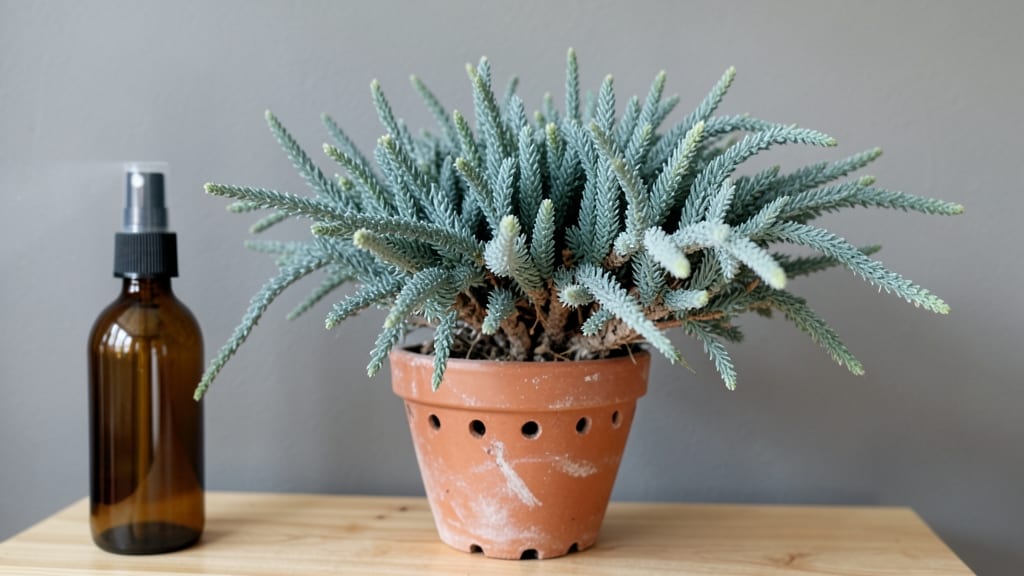
Your indoor cypress plant could be the quietest game-changer in your home. 🌿 I’ve watched mine transform from a sad, leggy specimen to a vibrant, bushy centerpiece—all by tweaking just a few things most people overlook.
The secret isn’t fancy equipment; it’s understanding how these plants really thrive indoors, especially in low-light spots where others fail.
Cypresses like Cupressus or Chamaecyparis love bright, indirect light but can handle shadier corners if you adjust watering and humidity. The soil should stay moist but never soggy—think of it like a damp sponge, not a swamp.
A peaty mix with good drainage keeps roots happy, and a occasional misting (or pebble tray) mimics their natural humidity. Prune in early spring to encourage fuller growth, and you’ll avoid that sad, sparse look.
Within 4-6 weeks of proper care, you’ll notice new growth at the tips, and those brown needles? They’ll fade away. The result is a plant that stays lush and green for years, even in apartments or offices with less-than-ideal light.
It’s the kind of greenery that makes a space feel alive without demanding constant attention.
Works for both dwarf varieties (like ‘Ellwoodii’) and larger types—just scale the pot size. Here’s where we dive into the exact steps to keep yours thriving, no matter where you place it.
📚 In This Guide
- What you need
- Instructions
- Tips and common mistakes
- Wrapping up and next steps
What you need
- ● Indoor Cypress Plant (Chamaecyparis lawsoniana) – Choose a healthy specimen (3–6 feet tall) from a nursery or reputable online seller. Pro tip: Look for lush, green foliage with no brown or yellowing leaves! 🌱
- ● Well-draining container – 12–18 inches in diameter (terracotta or ceramic pots work best). Ensure it has drainage holes!
- ● High-quality potting mix – A blend of peat moss, perlite, and sand (or coco coir for a sustainable option). Aim for 50% peat moss, 30% perlite, and 20% sand.
- ● Gravel or small rocks – For the bottom layer of the pot (1–2 inches) to improve drainage.
- ● Slow-release fertilizer – Like osmocote or a balanced 10-10-10 blend to nourish your plant over time.
- ● Humidity tray or pebble tray – Cypress plants love humidity! Fill a tray with water and pebbles to create a mini humidifier. 💧
- ● Plant mister – For occasional light misting, especially in dry climates.
- ● Pruning shears – Sharp, clean shears to trim back overgrown branches and encourage bushier growth.
- ● Support stake or trellis – If your cypress grows tall, a lightweight stake can help maintain its shape.
Step-by-Step instructions for growing an indoor cypress plant
This elegant evergreen thrives in low-light spaces—here’s how to coax its signature feathery foliage indoors.
🪴 Step 1: Select the Right Container and Drainage
Choose a 6-8 inch diameter pot with drainage holes—cypress plants despise soggy roots. I recommend terracotta or ceramic for breathability, but ensure the holes aren’t so large they let soil escape. If repotting, size up by 2-3 inches only when roots emerge from the drainage holes. The plant’s fibrous root system appreciates snug quarters.
Line the bottom with 1 inch of perlite or orchid bark to improve aeration and prevent compaction. This layer also acts as a moisture buffer, keeping roots from sitting in water. Skip the decorative saucer until you’re confident about watering habits—cypress plants are finicky about excess moisture.
🌱 Step 2: Plant in Well-Draining Potting Mix
Fill the container with a lightweight, airy potting mix formulated for tropical plants or palms. I blend 50% peat moss, 30% perlite, and 20% coarse sand for ideal drainage. Avoid garden soil—it compacts and suffocates roots. Gently loosen the root ball if repotting, then nestle the plant into the pot, ensuring the crown sits ½ inch below the rim for stability.
Press the soil lightly around the roots to eliminate air pockets, but don’t compact it. Cypress plants prefer loose, well-aerated soil that mimics their native sandy habitats. Water immediately after planting to settle the mix and eliminate gaps. The soil should feel moist but not soggy—like a wrung-out sponge.
☀️ Step 3: Position in Indirect, Bright Light
Place your cypress plant 3-5 feet from an east- or north-facing window where it receives bright, indirect light for 6-8 hours daily. Direct sunlight scorches the delicate fronds, turning them yellow or brown. If natural light is limited, supplement with a grow light kept 12-18 inches away for 12-14 hours daily. You’ll know the light is right when new growth appears vibrant green and compact—not stretched or pale.
Rotate the pot a quarter turn weekly to prevent lopsided growth. Cypress plants grow toward the light source, and uneven exposure causes fronds to lean. Watch for yellowing lower fronds—a sign of too much light or underwatering. Adjust placement if you notice this within 2-3 weeks of positioning.
💧 Step 4: Water Deeply and Maintain Consistent Moisture
Water when the top 1-2 inches of soil feel dry to the touch, typically every 7-10 days depending on humidity. I use the finger test: insert your index finger into the soil—if it comes out clean, it’s time to water. Pour water slowly until it drains freely from the bottom holes, then empty the saucer immediately to prevent root rot. Cypress plants are drought-tolerant but hate soggy conditions.
Mist the fronds weekly with room-temperature water to replicate humidity levels of their tropical origins. Brown tips signal low humidity or fluoride buildup from tap water. If you notice this, switch to distilled or filtered water and increase misting to 2-3 times weekly. The fronds should feel slightly damp but not dripping after misting.
✂️ Step 5: Prune and Fertilize for Healthy Growth
Trim brown or yellow fronds at the base with clean, sharp scissors to encourage new growth. I prune every 3-4 months in early spring, cutting back to healthy green tissue. Avoid over-pruning—cypress plants grow slowly, and aggressive trimming stresses the plant. After pruning, water deeply to help the plant recover.
Fertilize monthly during spring and summer with a balanced, water-soluble fertilizer diluted to half-strength. Skip fertilizing in fall and winter when growth slows. Over-fertilizing causes salt buildup, which manifests as crispy leaf edges or stunted growth. Always water thoroughly before and after fertilizing to prevent root burn.
Tips & tricks for perfect indoor cypress plant care
Between us, the difference between a thriving cypress plant and one that struggles often comes down to these subtle but critical details.
Container Selection: The 6-8 inch pot size recommendation isn't arbitrary—cypress plants develop shallow but extensive root systems. If you choose a larger pot too soon, the excess soil will stay damp for too long, inviting root rot. I've seen this happen when people upgrade to 10-inch pots too early. Instead, wait until you see roots emerging from the drainage holes before sizing up by just 2-3 inches. This gradual approach mimics their natural habitat where water drains quickly through sandy soil.
Soil Science: That 50-30-20 mix of peat moss, perlite, and coarse sand isn't just random numbers—it's a moisture balance equation. The peat moss holds just enough water, while the perlite and sand create air pockets that prevent compaction. Here's what I learned the hard way: if your mix feels dense when squeezed, add more perlite. You want it to crumble easily between your fingers. This texture prevents the dreaded "soggy bottom" syndrome that turns fronds brown at the tips.
Lighting Strategy: The 6-8 hours of bright indirect light in Step 3 is your sweet spot, but here's the secret: position your plant so the tallest fronds aren't touching the window. They'll burn if they brush against glass, even with indirect light. For grow lights, keep that 12-18 inch distance sacred—any closer and you'll get leggy growth, any farther and the light becomes ineffective. I test my grow light placement by holding my hand between the light and plant; if I can't fit my palm easily, it's too close.
Watering Wisdom: That finger test in Step 4 is your best friend, but here's the pro move: always water in the morning. This gives any excess moisture 12+ hours to evaporate before nightfall, when humidity levels naturally drop. I've noticed my plants handle the 7-10 day watering schedule perfectly when watered this way, but when I watered at night, I'd see yellowing within days. Also, never let the plant sit in saucer water—even for 10 minutes—that's how root rot starts.
Pro Tips for Indoor Cypress Plant
- Between us, the difference between a thriving cypress plant and one that struggles often comes down to these subtle b...
- Container Selection: The 6-8 inch pot size recommendation isn't arbitrary—cypress plants develop shallow but extensiv...
- Soil Science: That 50-30-20 mix of peat moss, perlite, and coarse sand isn't just random numbers—it's a moisture bala...
Frequently asked questions
Got questions about keeping your indoor cypress plant thriving? You’re not alone! Here are answers to the most common queries—from care basics to troubleshooting—so you can enjoy lush greenery year-round without the guesswork.
How often should I water my indoor cypress plant?
The key is consistency over saturation. Water when the top 1–2 inches of soil feel dry—usually every 1–2 weeks, depending on humidity and light. Overwatering is the #1 killer, so always check moisture levels with your finger. Pro tip: Use a well-draining pot with drainage holes to prevent root rot.
Can indoor cypress plants survive in low-light conditions?
This is one of their superpowers. They thrive in bright, indirect light but can tolerate low to medium light—perfect for offices or north-facing windows. Just avoid harsh direct sun, which can scorch the leaves. If growth slows, a simple grow light (12–14 hours/day) can give it a boost.
Why are the tips of my cypress plant turning brown?
Brown tips usually signal low humidity or fluoride buildup from tap water. Try these fixes:
- Increase humidity: Mist leaves 2–3x/week or place the pot on a pebble tray with water.
- Use filtered or distilled water: Fluoride in tap water can damage foliage over time.
- Trim dead tips: Snip brown tips with clean scissors to encourage new growth.
How do I prune my indoor cypress plant to keep it bushy?
Pruning encourages fuller growth and removes leggy stems. Use sterilized scissors to trim back overgrown branches in early spring. Cut just above a leaf node (where new growth emerges) at a 45-degree angle. Don’t worry—cypress plants are forgiving! You can also propagate the cuttings in water or soil.
What pests should I watch for, and how do I treat them?
Cypress plants are pest-resistant, but spider mites or scale insects can occasionally appear. Act fast with these steps:
- Isolate the plant to prevent spreading.
- Wipe leaves with a damp cloth and mild soapy water.
- Spray with neem oil (1 tsp per quart of water) weekly until pests vanish.
Wrapping up and next steps
Bringing an indoor cypress plant into your home isn’t just about adding greenery—it’s about embracing a resilient, low-maintenance companion that thrives where others falter. 🌿 Whether you’re a seasoned plant parent or just starting, this adaptable beauty rewards patience with lush, year-round foliage and air-purifying benefits.
Ready to dive in? Start by gathering your supplies, then pick a cozy corner (even that dimly lit spot!) to watch your cypress plant flourish.
Your next step? Grab a pot, some soil, and let nature do the rest—your home (and lungs) will thank you! 🌱