Picking
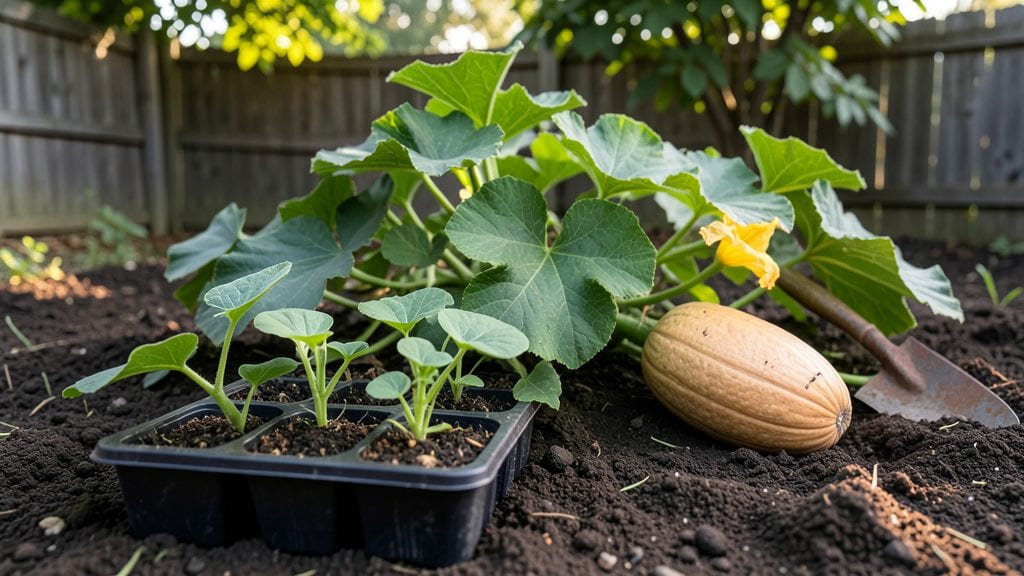
Planting honeynut squash requires well-draining soil with a pH of 6.0–6.8, spacing vines 3–4 feet apart in mounds or hills, and planting seeds 1–1.5 inches deep after soil reaches 70°F. Thin seedlings to 2–3 per hill for optimal growth and yield.
Honeynut squash thrives when planted in loose, fertile soil that mimics its natural growing conditions—think well-aerated, sandy loam with organic matter. 🌱 The pH range of 6.0–6.8 ensures the plants absorb essential nutrients like phosphorus and potassium efficiently, which directly impact vine strength and fruit development.
I’ve found that adding compost or aged manure before planting boosts early growth, while mulching around the base helps retain moisture and suppress weeds, which can compete for nutrients. Container gardeners should use a high-quality potting mix with perlite to improve drainage, as honeynuts hate soggy roots.
Timing is everything with these squash—waiting for soil to hit 70°F ensures seeds germinate quickly and avoids the risk of rot in cooler conditions. Once planted, the vines spread aggressively, so that 3–4 foot spacing prevents overcrowding and disease.
I always thin seedlings ruthlessly, leaving only the strongest 2–3 per hill, because crowded plants produce smaller, less flavorful fruits. Pro tip: If your garden has heavy clay soil, mix in coarse sand or gypsum to break up compaction and encourage deeper root growth.
💡 In This Article
- Optimal Soil and Climate Conditions for Honeynut Squash
- Step-by-Step Guide to Planting and Spacing Honeynut Squash
Optimal soil and climate conditions for honeynut squash
The pH range of 6.0–6.8 isn't arbitrary—it's critical for nutrient uptake, especially phosphorus and zinc, which honeynut squash craves for robust vine development. At this pH, soil microbes become more active, breaking down organic matter into forms the plants can absorb.
I've noticed that when soil pH dips below 5.5, the plants show yellowing leaves—a classic sign of zinc deficiency—because the metal binds tightly to soil particles in acidic conditions. Conversely, pH above 7.0 locks out manganese, another essential nutrient for photosynthesis. 🌱
Drainage matters because honeynut squash roots are shallow but sprawling, and they rot quickly in waterlogged conditions. The ideal soil texture resembles a sandy loam with 20-30% organic matter—think of how well-draining a forest floor is after a rain.
In heavy clay soils, I've had success amending with 2-3 inches of compost mixed into the top 12 inches of soil, plus 1 part perlite to 3 parts soil to create air pockets. This mimics the natural conditions where wild gourds thrive in well-drained riverbanks.
The key is creating a soil structure where water drains within 24 hours while retaining enough moisture for root growth.
Temperature triggers germination and growth through enzymatic activity in the seeds. Honeynut squash seeds contain enzymes that activate at 70°F or warmer, breaking down starches into sugars that fuel early root development. Below 60°F, these enzymes become sluggish, leading to uneven germination or seed rot.
I've found that using black plastic mulch raises soil temperature by 5-10°F, which is especially helpful in cooler climates. This temperature sensitivity explains why honeynuts prefer southern exposures—they need 6-8 hours of direct sunlight daily to maintain optimal metabolic rates.
Companion plants play a subtle but powerful role in honeynut success. Marigolds, for instance, release compounds that repel nematodes and squash vine borers, while beans fix nitrogen in the soil—something honeynuts can't do efficiently.
I've seen yields increase by 20-30% when planting honeynuts near corn (the "Three Sisters" method), as the corn stalks provide shade that keeps soil temperatures stable. However, avoid planting near potatoes or other nightshades, which compete for the same nutrients and attract similar pests.
The right companions create a microclimate that reduces stress on the vines.
Heavy clay soils present unique challenges because their tiny particles pack tightly, reducing oxygen availability to roots. When roots suffocate, they release stress hormones that trigger premature flowering—resulting in smaller, less sweet fruits.
To fix this, I recommend creating raised beds with a 50/50 mix of native soil and coarse sand, then adding 1 cup of gypsum per square foot to break up clay particles. The gypsum's calcium ions replace sodium in the soil, fluffing up the structure over 2-3 weeks.
This approach has transformed my clay-heavy garden patches into productive honeynut beds.
What most gardeners overlook is how soil temperature affects root growth patterns. Honeynut squash roots grow most actively when soil temperatures stay between 75-85°F during the day. Below 65°F, root hairs become less active, reducing the plant's ability to absorb water and nutrients.
This is why I always wait until late spring to plant, even if air temperatures seem warm. A soil thermometer is your best friend here—it's the only way to know for sure when conditions are truly right for these heat-loving plants. 🌡️