
Plants
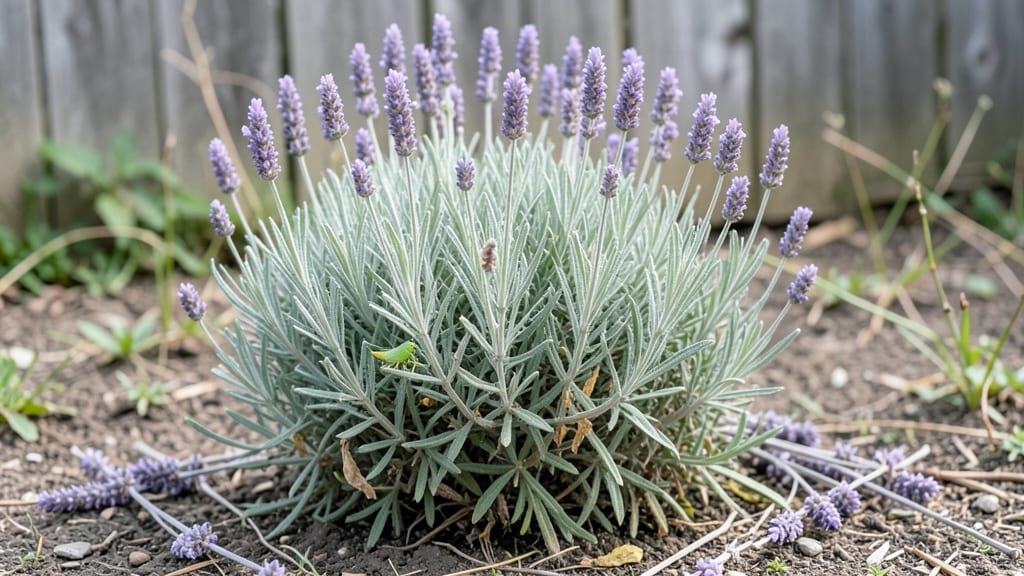
My yard’s grasshopper problem vanished after I planted a border of grasshopper repellent plants—catnip and lemon thyme—those minty-citrus scents send them packing. 🌿 The key isn’t just any plant; it’s the right combination of strong aromas and textures that grasshoppers hate.
I’ll show you which ones work best and how to arrange them for maximum impact.
These plants don’t just mask smells—they actively repel grasshoppers through their natural oils and leaf structures. Catnip, for example, contains nepetalactone, a compound so potent it confuses grasshoppers’ scent receptors.
Pair it with citrus-scented herbs like lemon balm or marigolds for a double-layered defense. The best part? Most are easy to grow from seed or cuttings.
By summer’s end, you’ll notice fewer hops across your lawn and vegetables. The plants themselves stay healthy, looking lush and fragrant while doing the work for you. Just avoid planting them too close to flowers that attract beneficial insects—balance is everything. Let’s get your garden back to thriving.
Works for both vegetable gardens and ornamental borders, though drought-tolerant varieties like lavender need less water. For severe infestations, combine these with physical barriers like row covers for extra protection. The results speak for themselves—fewer pests, more peace of mind.
Why Grasshoppers Invade Gardens
Grasshoppers, those pesky jumpers with an appetite for your plants, don’t just show up randomly—they’re drawn to your garden for specific reasons. Understanding why they target certain areas (and avoid others) is the first step to creating a natural defense using repellent plants.
Let’s break down the science behind their behavior and how your garden might be sending out the wrong signals.
Grasshoppers rely heavily on their sense of smell to locate food. Many common garden plants—especially tender, young, or stressed vegetation—emit volatile organic compounds (VOCs) that act like an all-you-can-eat sign. These chemicals, such as:
- Green leaf volatiles (GLVs): Released when plants are damaged or chewed, these compounds signal "easy prey" to grasshoppers.
- Sugars and amino acids: Found in ripe fruits, flowers, and lush foliage, these nutrients are a grasshopper’s favorite snack.
- Pheromones from other insects: Some grasshoppers follow trails left by aphids or caterpillars, which weaken plants and make them more appealing.
Actionable fix: Avoid over-fertilizing with nitrogen (which boosts leafy growth) and opt for repellent plants that mask these inviting scents with their own overpowering aromas—like mint, citrus, or strong herbs.
Grasshoppers don’t just want to eat—they want to settle in. They seek gardens with:
- Dense, low-growing vegetation: Tall grass, clover, or unkempt lawns provide hiding spots during the day and easy access to food at night.
- Moist, sunny areas: Grasshoppers thrive in warm, humid conditions, often near irrigation systems or damp soil.
- Monoculture plantings: Large patches of a single plant (like corn or alfalfa) are a grasshopper’s dream—easy grazing with minimal effort.
Actionable fix: Introduce diverse, aromatic plants like lavender, rosemary, or marigolds to disrupt their habitat. These plants create a physical and olfactory barrier, making your garden less inviting while adding beauty and function.
In nature, grasshoppers face threats from birds, spiders, parasitic wasps, and even fungi. But in manicured gardens, these predators are often absent, leading to unchecked populations. Key reasons include:
- Pesticide use: Broad-spectrum chemicals kill beneficial insects (like ladybugs or lacewings) that prey on grasshoppers.
- Lack of shelter for predators: Clean, tidy gardens remove brush piles, leaf litter, or rocks where spiders and ground beetles hide.
- Overwatering: While grasshoppers love moisture, their predators (like birds) may avoid soggy areas, tipping the balance in favor of the jumpers.
Actionable fix: Encourage predator-friendly plants like dill, fennel, or yarrow, which attract beneficial insects. Add rock piles or mulch to create micro-habitats for spiders and centipedes—nature’s grasshopper police.
Pro tip: 💡 Grasshoppers hate strong scents and textures. Pair repellent plants (like citrus and mint varieties) with rough foliage (e.g., lamb’s ear or Russian sage) to make your garden both unappetizing and uncomfortable for them.
Natural Ways to Deter Grasshoppers
If grasshoppers are turning your garden into a buffet, it’s time to take action with effective, plant-based solutions. These pests are drawn to lush greenery but hate strong scents, textures, and certain plant compounds.
Below, we’ll break down the best fixes based on the root causes of grasshopper infestations—plus prevention tips to keep them away for good.
Grasshoppers target weak, young, or overcrowded plants because they’re easier to munch. To strengthen your garden’s defenses:
🔥 Trim and Space Plants Properly
- Prune overgrown foliage to improve airflow and reduce hiding spots.
- Space plants 12–18 inches apart to discourage grasshoppers from settling in dense clusters.
- Remove weeds—they’re a grasshopper magnet!
🍳 Strengthen Plants with Nutrient Boosts
- Fertilize with compost or a balanced organic fertilizer (like 10-10-10) to make plants tougher.
- Water deeply but less frequently—stressed plants (from over/under-watering) attract pests.
👨🍳 Introduce Tough, Grasshopper-Resistant Plants
Swap susceptible crops (like corn, beans, or young veggies) with these natural repellents:
| Plant | Why It Works |
|---|---|
| Lavender | Strong citrus-mint scent confuses grasshoppers. |
| Marigolds | Pyrethrin compounds deter jumping pests. |
| Rosemary | Woody texture + piney aroma repels hoppers. |
| Catnip | Contains nepetalactone, a natural insect repellent. |
Grasshoppers are drawn to tender new growth, damp soil, and standing water. Cut off their access:
⏰ Remove Egg Laying Sites
- Rake garden beds in late summer/fall to destroy grasshopper egg pods (they’re buried 1–2 inches deep).
- Till soil in early spring to expose and dry out eggs.
🔪 Drain Standing Water
- Empty saucers under pots, fix leaky hoses, and ensure no puddles linger after rain.
- Avoid overwatering—damp mulch attracts grasshoppers.
🎯 Protect Young Plants with Barriers
- Wrap seedlings in fine mesh (like tulle) until they’re established.
- Use row covers over vulnerable crops (like lettuce or cabbage) until harvest.
Think of these as your grasshopper-proofing hacks for a pest-free garden:
- 🌿 Plant in stripes: Alternate repellent plants (e.g., basil, thyme) with edibles to break up grasshopper trails.
- 🍎 Use companion planting: Pair tomatoes with garlic or onions—their sulfur scent deters hoppers.
- 🔥 Try neem oil spray: Mix 1 tbsp neem oil + 1 tsp mild soap in 1 quart water. Spray foliage weekly (reapply after rain).
- 🐝 Encourage predators: Ladybugs, birds, and spiders eat grasshoppers—install a birdhouse or bat box nearby.
- 🌡️ Time your planting: Grasshoppers peak in July–August—start seeds early (May–June) to outpace them.
With these plant-powered strategies, you’ll create a garden that’s unappetizing to grasshoppers while keeping your veggies thriving. No chemicals needed—just smart, scent-based defense!
Frequently asked questions
Which plants are most effective at repelling grasshoppers?
Top performers include catnip (contains nepetalactone), lavender (citrus-mint scent), marigolds (pyrethrin compounds), and rosemary (piney aroma). These plants disrupt grasshoppers' scent receptors and create an inhospitable environment. Pair them with basil or thyme for extra protection.
How soon will I see results after planting repellent herbs?
Most repellent plants start working within 2-4 weeks once established, as their scent compounds build up. For immediate results, combine planting with physical barriers (like row covers) during peak grasshopper season (June-August). Established plants create a stronger olfactory shield over time.
Can I use these repellent plants in containers?
Catnip, basil, and thyme thrive in containers and can be placed near vulnerable plants. Use 12-inch pots for herbs and 16-inch pots for lavender. Place containers near garden edges or vegetable beds where grasshoppers are most active. Just ensure they get 6+ hours of sunlight daily.
What should I do if grasshoppers are already damaging my plants?
Start by removing visible grasshoppers by hand (drop them in soapy water). Then, apply a neem oil spray (1 tbsp neem oil + 1 tsp soap per quart of water) to foliage. For severe infestations, combine repellent plants with row covers over young plants. Rake soil in fall to destroy egg pods.
Will these plants also repel other garden pests?
Many do! Marigolds deter aphids and nematodes, while basil repels mosquitoes and flies. However, some plants like catnip primarily target grasshoppers. For comprehensive pest control, create a diverse planting scheme that includes flowers, herbs, and vegetables to attract beneficial insects while confusing pests.