
Companion Plants
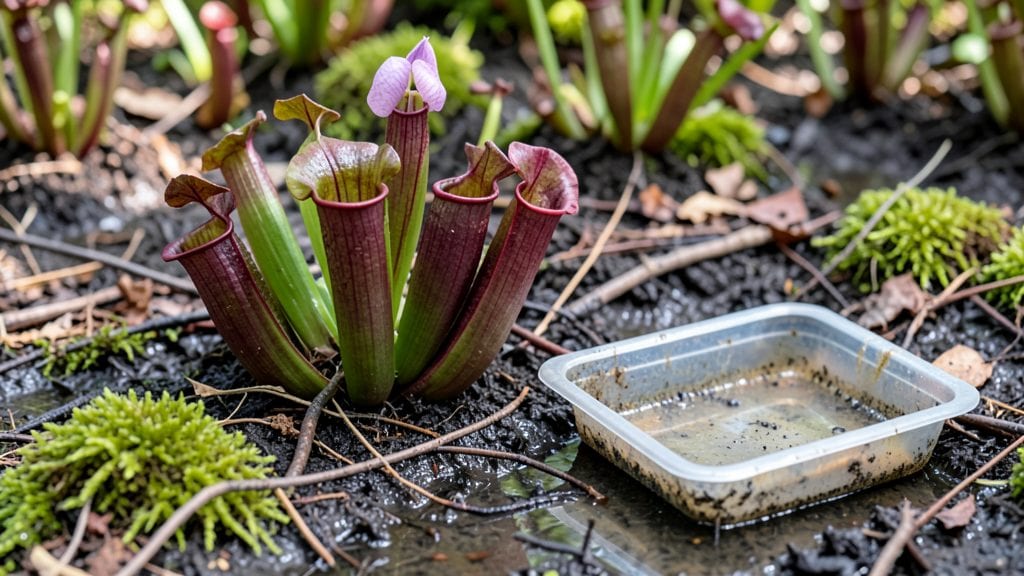
Boggy garden soil doesn’t have to mean soggy failures—some plants actually thrive in wet conditions and can transform your waterlogged patch into a lush, low-maintenance oasis. I’ve turned my once-miserable bog into a thriving wetland garden, and the key isn’t fighting the water—it’s working with it.
The right plants handle standing water like pros, while simple soil tweaks keep roots happy and roots stay healthy.
Think irises, ferns, and sedges—native plants that evolved to love moisture but hate rot. These aren’t just survivors; they’re showstoppers with bold foliage, striking blooms, and the kind of resilience that makes gardening feel effortless.
The secret? A mix of organic matter and gritty sand to improve drainage without removing the water these plants need. Once you get the soil right, you’ll see growth within weeks, not years.
You’ll end up with a garden that stays green all summer, requires less watering, and outsmarts pests naturally. The air smells fresher, too—like a cool forest after rain.
Best of all, these plants spread easily, filling in bare spots without extra work. Let’s get your bog garden looking like a designer wetland instead of a swamp.
Works for shady spots, sunny edges, or even rain gardens—no two yards are the same, but these plants adapt. Here’s how to pick the perfect mix for your space and climate, plus the fast fixes that make all the difference.
📚 In This Guide
- What you need
- Instructions
- Tips and common mistakes
- Wrapping up and next steps
What you need
- ● Fast-draining soil mix: 50% peat moss or coco coir (for moisture retention)
- ● 30% perlite or pumice (for aeration, 1-2 bags per 5 sq ft)
- ● 20% compost or well-rotted manure (for nutrients, 1-2 bags per 5 sq ft)
- ● Amendments for poor drainage: Sand (coarse, not fine—1-2 bags per 5 sq ft)
- ● Gravel or crushed stone (for subsoil drainage, 2-3 bags per 5 sq ft)
- ● Drainage solutions: Corrugated drainage pipe (4-inch diameter, 10-ft length per 10 sq ft)
- ● Landscape fabric (to prevent soil clogging, 1 roll per 20 sq ft)
- ● Planting tools: Garden trowel (for small plants)
- ● Garden fork or spade (for amending soil, 1 per project)
- ● Wheelbarrow (for mixing materials, 1)
- ● Boggy-friendly plants: 3-5 carex sedges or marsh marigolds (per 5 sq ft)
- ● 2-3 calla lilies or water irises (per 5 sq ft)
- ● 1-2 blue flag irises or swamp milkweed (for pollinators)
- ● Mulch (pine bark or straw—2-3 bags per 5 sq ft to retain moisture)
- ● pH test kit (to ensure soil is slightly acidic, 6.0–7.0 for most bog plants)
- ● Slow-release fertilizer (10-10-10 or peat-based, 1 lb per 50 sq ft)
- ● Drip irrigation kit (for consistent moisture in dry spells)
- ● Decorative rocks or pebbles (for a polished look, 1-2 bags per 5 sq ft)
Instructions for fast-draining soil fixes in boggy gardens
Here's how to transform soggy soil into a thriving environment for moisture-loving plants in just a few steps.
Test and Assess Your Soil's Current Condition
Before making changes, dig a hole about 6 inches deep and fill it halfway with water. If the water drains completely within 30 minutes, your soil has moderate drainage issues. If it takes longer or pools at the bottom, you're dealing with severe waterlogging. This test helps you determine how much amendment you'll need to add.
Press the damp soil between your fingers—if it forms a tight ball that doesn't crumble easily, it's too compacted. Boggy gardens often have high clay content, which prevents air and water movement. You'll know you're ready to proceed when you see loose, crumbly soil after adding amendments.
Loosen Compacted Soil with Organic Matter
Spread 2-3 inches of compost evenly over the garden bed. This organic material breaks up heavy clay and improves soil structure over time. Work it into the top 6 inches of soil using a garden fork or tiller, being careful not to disturb plant roots if you're amending an established garden.
For stubborn clay soil, mix in 1-2 inches of coarse sand (like builder's sand) to create larger pores for drainage. Avoid fine sand, which can compact further. After amending, water the area deeply to help the organic matter settle into place. You'll notice the soil feels lighter and less dense when you squeeze a handful.
Create Raised Planting Areas for Problem Spots
In severely boggy areas, mound soil into 6-12 inch high raised beds using your existing soil mixed with 50% compost. This elevation prevents water from pooling around plant roots. For container plants, ensure pots have multiple drainage holes and elevate them on feet or bricks to keep roots dry.
Shape the mounds with slightly sloped sides to encourage water runoff. Plant moisture-loving species like asters, irises, or ferns in these elevated areas. Over time, the organic matter will break down and improve drainage throughout the entire bed, not just the raised portion.
Install Underground Drainage Solutions
For persistent waterlogging, install perforated drainage pipe buried 12-18 inches deep along the lowest edge of your garden bed. Surround the pipe with 1-2 inches of gravel to create a drainage channel. Connect the pipe to a dry well or extend it to a natural drainage area.
In smaller areas, create French drains by digging a 12 inch wide, 12 inch deep trench filled with gravel. Cover with landscape fabric before backfilling with soil. These solutions work best when combined with soil amendments—they handle excess water while the organic matter improves long-term soil structure.
Select and Plant Appropriate Bog-Loving Species
Choose plants naturally adapted to wet conditions like cattails, marsh marigolds, or swamp milkweed. These species thrive in 3-6 inches of standing water and will indicate when your drainage improvements are successful. Plant them in the most challenging areas first as natural indicators of your progress.
For ornamental gardens, incorporate water-tolerant perennials like astilbes, ligularia, or hellebores that handle occasional soggy conditions. Space plants 12-18 inches apart to allow for proper air circulation, which reduces fungal diseases common in wet soils. You'll see these plants flourish within 2-3 weeks of proper planting and care.
Tips & tricks for fast-draining soil fixes in boggy gardens
Transforming soggy soil doesn't have to be a slow process—these targeted strategies will help you achieve better drainage quickly while setting your garden up for long-term success.
Soil Test Accuracy: When testing your soil's drainage in Step 1, use a clear container to monitor the water level rather than just observing from the hole. This gives you a more precise 30-minute timeline for determining how severe your drainage issues are. I've found that adding a few drops of food coloring to the water makes it even easier to track how quickly it disappears into the soil.
Compost Layering: In Step 2, don't just spread the 2-3 inches of compost on top—work it into the existing soil using a broadfork instead of a tiller. This preserves soil structure while breaking up compaction. For clay-heavy soils, mix in the coarse sand in thin layers (about ½ inch at a time) as you work the compost in, rather than all at once. This prevents creating new compaction points.
Raised Bed Construction: For Step 3's raised beds, use untreated wood or landscape fabric as your base rather than plastic liners. This allows some moisture exchange with the underlying soil while still preventing root rot from prolonged saturation. When creating the 6-12 inch high mounds, build them slightly wider at the base (about 18 inches) to create a stable structure that won't settle unevenly over time.
Drainage System Maintenance: After installing underground drainage in Step 4, mark the pipe locations with landscape flags or paint. This prevents accidental damage when working in the garden later. For French drains, include a small inspection cover where the pipe exits the garden bed—this lets you check for blockages without digging up the entire system.
Pro Tips for Boggy Garden Plants
- Transforming soggy soil doesn't have to be a slow process—these targeted strategies will help you achieve better drainage quickly while setting your garden up for long-term success.
- Soil Test Accuracy: When testing your soil's drainage in Step 1, use a clear container to monitor the water level rather than just observing from the hole.
- Compost Layering: In Step 2, don't just spread the 2-3 inches of compost on top—work it into the existing soil using a broadfork instead of a tiller.
Frequently asked questions
Got questions about tackling boggy soil or picking the perfect plants?
You’re not alone! Here are some of the most common queries—plus straightforward answers to keep your garden thriving, even when it’s soggy.
What are the best fast-draining boggy garden plants?
Opt for native moisture-lovers like cattails, iris, marsh marigolds, or sedges. These thrive in wet conditions while improving drainage over time. For containers, try bog bean or water mint—just ensure pots have drainage holes!
How long does it take to improve boggy soil?
With organic amendments (like compost or sand) and proper aeration, you’ll see noticeable drainage improvements in 4–6 weeks. However, heavily compacted soil may take 3–6 months for full transformation. Patience pays off—consistent effort is key!
Can I grow vegetables in boggy soil?
Yes! Root crops like carrots, radishes, and potatoes handle moisture well, while leafy greens (e.g., kale) tolerate dampness. Avoid lettuce or spinach—they rot easily. Raise beds with gravel or bark chips to prevent waterlogging.
What plants should I avoid in boggy gardens?
Steer clear of tomatoes, peppers, and strawberries—they’re prone to fungal diseases in soggy soil. Also, skip lawn grasses (they’ll turn yellow and die). Instead, focus on wetland natives or container-friendly options.
Why is my boggy garden still waterlogged after amendments?
Check for clay-heavy soil (breaks down slowly) or poor slope drainage. Try adding coarse sand or perlite to lift roots, and create gentle mounds to redirect water. If the issue persists, install French drains or dig shallow trenches to channel excess moisture away.
Wrapping up and next steps
Transforming your boggy garden into a thriving oasis is totally doable—you’ve got this! 🌱 By choosing the right boggy garden plants and implementing fast-draining soil hacks, you’ll create a lush, resilient space that even waterlogged areas will envy.
Start small with one or two moisture-loving plants, then expand as you gain confidence.
Ready to take the next step? Pick a plant from our list, gather your materials, and roll up your sleeves—your dream garden is waiting! 🌿