
Fertilization
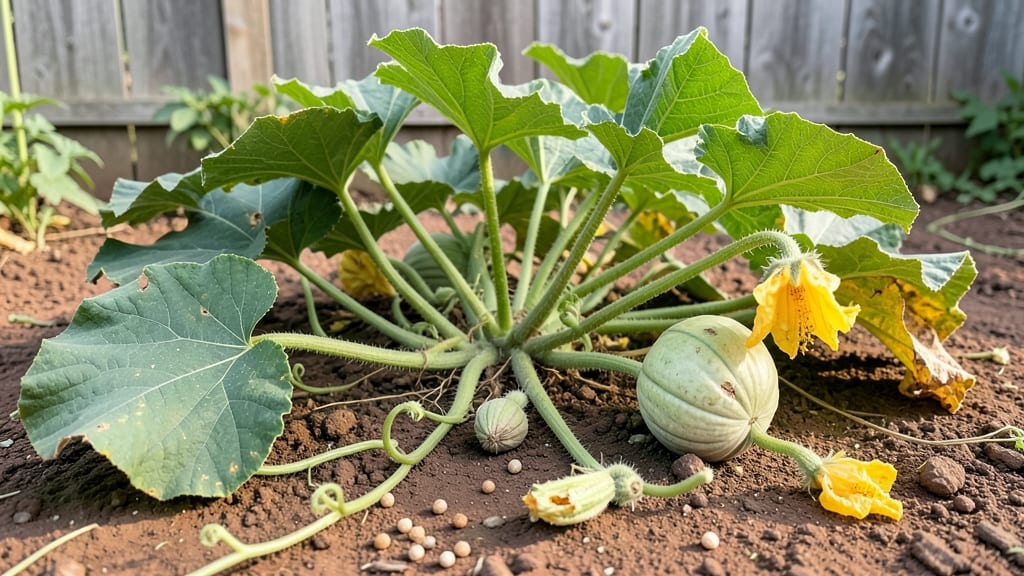
Fertilizing pumpkin plants 🎃 is the secret to turning those sprawling vines into a bounty of massive, sweet fruits—but most gardeners mess up the timing or nutrients.
Picture this: you’ve spent weeks nurturing your pumpkin seedlings, only to watch them flop when the first flowers wilt from too much nitrogen. Or worse, your vines grow like weeds but produce tiny, bitter fruit because the soil was missing phosphorus.
The right fertilizer strategy isn’t just about dumping plant food on the ground—it’s about feeding your pumpkins at the exact moments they need it most.
In this guide, I’ll walk you through the three critical stages of pumpkin fertilization—pre-planting, flowering, and fruiting—plus how to spot the signs of over- or under-feeding before it’s too late. No guesswork, just proven methods for bigger, healthier pumpkins.
You’ll learn which fertilizers to avoid, how to test your soil pH (the most overlooked factor), and even a simple DIY nutrient boost that cuts costs while maximizing yields. Ready to turn your patch into a pumpkin powerhouse?
Optimal soil pH and nutrient requirements for pumpkin plants
Pumpkins are heavy feeders, and their success hinges on soil pH between 6.0 and 6.8, where nutrients are most available. Too acidic (<5.5) or alkaline (>7.5) soil locks out essential minerals, stunting growth.
I’ve learned that testing your soil before planting saves time and frustration—home test kits are affordable and easy to use.
Pumpkins need a balanced mix of macronutrients (NPK) and micronutrients to thrive. Nitrogen (N) fuels early vine growth, while phosphorus (P) and potassium (K) support flowering and fruit development. Micronutrients like magnesium, calcium, and zinc often go overlooked but are critical for preventing diseases and deformities.
Here’s a quick reference for the ideal nutrient balance and soil conditions:
Adjusting soil pH is easier than you think. For acidic soil, mix in lime (calcium carbonate) at a rate of 5-10 lbs per 100 sq ft. If your soil is alkaline, use elemental sulfur (1 lb per 100 sq ft) and retest in 2-3 months.
I’ve found that compost and well-rotted manure also help buffer pH naturally over time.
Pumpkins show deficiency signs early, so don’t ignore yellowing leaves or stunted vines. For example, magnesium deficiency causes yellowing between leaf veins, while calcium deficiency leads to blossom-end rot in developing fruits.
A foliar spray of Epsom salt (magnesium sulfate) or calcium nitrate can provide a quick fix if soil levels are low.
Step-by-step fertilization timeline for pumpkin growth stages
Pumpkins are heavy feeders that demand precise fertilization timing to maximize vine growth and fruit production. Unlike many vegetables, they need a balanced nutrient shift as they transition from leafy vines to heavy fruit loads.
I’ve learned the hard way—over-fertilizing early can lead to lush vines but few pumpkins, while under-feeding later stages stunts fruit development.
Your fertilization strategy should align with four critical growth phases: pre-planting, early vine growth, flowering, and fruiting. Each phase requires different nutrient ratios to support the plant’s changing needs. For example, nitrogen-heavy fertilizers early on promote vine sprawl, while phosphorus-rich blends later encourage fruit set and maturation.
Pre-Planting (4-6 Weeks Before Last Frost)
Test soil pH (6.0–6.8) and amend with compost or aged manure (2–3 inches). Apply a slow-release organic fertilizer (e.g., 5-5-5) at 1 cup per 10 sq ft or 1 tbsp per plant.
Early Vine Growth (First 4 Weeks After Germination)
Use a nitrogen-rich fertilizer (e.g., 10-10-10 or fish emulsion) to support leafy growth. Apply every 3–4 weeks at ½ the recommended rate to avoid burning tender roots.
Flowering Stage (Weeks 5–7)
Switch to a phosphorus-heavy fertilizer (e.g., 5-10-10 or bone meal) to boost flower and fruit development. Apply every 4 weeks with potassium-rich compost tea to prevent blossom end rot.
Fruiting Stage (Weeks 8–12)
Maintain a balanced fertilizer (e.g., 6-6-6) or kelp meal to support fruit maturation. Reduce frequency to every 6 weeks and stop fertilizing 4–6 weeks before harvest to avoid bitter-tasting pumpkins.
For organic gardeners, I recommend using composted chicken manure (high in nitrogen) early and rock phosphate (phosphorus) during flowering. Synthetic fertilizers like 10-10-10 are faster-acting but require careful monitoring to avoid nutrient burn. Always water deeply after applying fertilizers to help nutrients penetrate the soil.
Monitor your pumpkins for signs of nutrient imbalance, such as yellowing leaves (nitrogen deficiency) or weak stems (potassium deficiency). Adjust your fertilization plan accordingly—pumpkins are forgiving but thrive with consistent care. With the right timing, you’ll see vines sprawling and pumpkins swelling like never before!
🎃