Fertilization
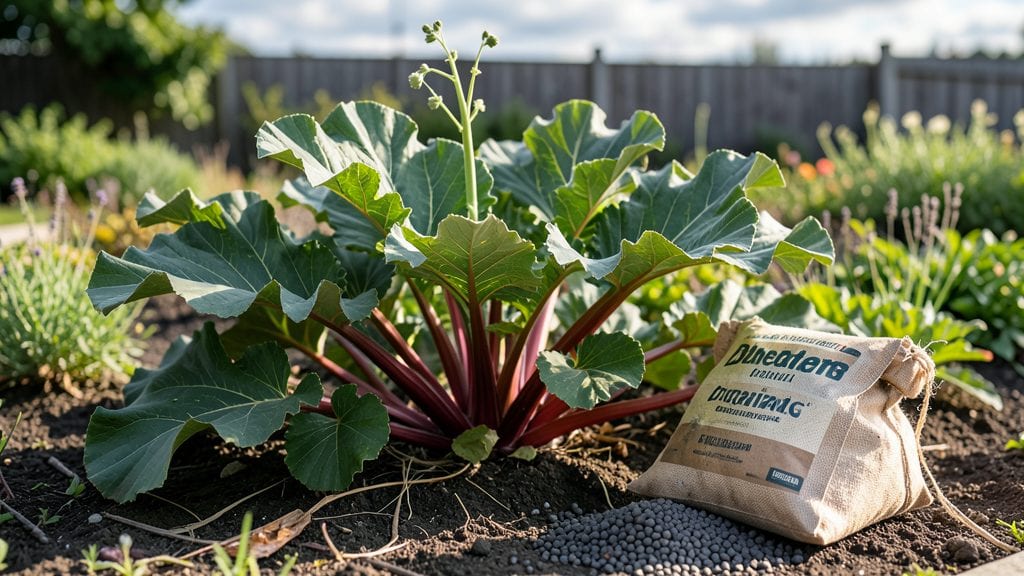
Fertilizing rhubarb plants the right way turns small, spindly stalks into thick, juicy harvests by spring.
Struggling to grow thick, vibrant rhubarb stalks? The secret might be hiding in your soil—not just the fertilizer you’re using, but the pH balance that determines how well your plants absorb nutrients. Mastering rhubarb fertilization and soil pH could double your harvest this season.
Here’s the deal: rhubarb thrives when its soil pH sits between 6.0 and 7.0, but most gardeners never test it—until the plants start looking sad. A simple soil test reveals whether your rhubarb is starving or drowning in nutrients, and adjusting it is easier than you think.
Below, I’ll walk you through the best fertilizers for rhubarb, when to apply them, and how to spot the signs of over- or under-feeding. No guesswork—just bold stalks by next May.
Optimal soil pH for rhubarb: how to test and adjust for maximum growth
Rhubarb thrives when your soil pH sits between 6.0 and 7.0, creating the perfect balance for nutrient absorption. Too acidic (below 6.0) or alkaline (above 7.0) soil locks out essential minerals like phosphorus and calcium, leading to weak stalks and poor growth.
I’ve seen firsthand how adjusting pH can transform a struggling rhubarb patch into a lush, productive garden staple.
Testing your soil’s pH is the first step toward unlocking your rhubarb’s full potential. You can use DIY test kits (like LaMotte or MySoil) for quick results or send samples to a local extension office for precise lab analysis.
I recommend testing in early spring before applying amendments—this gives your soil time to adjust before the growing season kicks off.
Here’s a quick breakdown of what your rhubarb’s soil needs based on pH levels:
If your soil tests below 6.0, spread pelletized lime evenly around the plant’s base in early spring, then water thoroughly. For alkaline soil (above 7.0), mix elemental sulfur into the top 6 inches of soil and water well.
I’ve found that compost (2-3 inches) also helps buffer pH while improving soil structure—win-win for your rhubarb!
Timing matters when adjusting pH. Apply amendments 3-4 months before planting or in early spring for established plants. Avoid adding lime or sulfur in the same season you harvest—you want nutrients available when your rhubarb needs them most.
I like to test pH again in late summer to confirm adjustments worked.
For organic gardeners, wood ash (sparingly!) or crab meal can raise pH, while peat moss or pine bark fines lower it. Always follow package instructions—overdoing it can create new problems.
I once added too much lime to my rhubarb bed and ended up with alkaline shock, so start small and monitor results.
Mulching with straw or leaves helps maintain pH over time by slowing soil acidification. I apply a 3-inch layer every fall to protect soil health and retain moisture. Pair this with a balanced fertilizer (like 10-10-10) in early spring, and you’ll see your rhubarb’s growth skyrocket.
Watch for signs of pH imbalance: yellowing leaves (too acidic), purple stems (too alkaline), or slow stalk development (nutrient lockout). These clues tell you when to retest and readjust. With the right pH, your rhubarb will reward you with bold, juicy stalks year after year.
Remember, rhubarb is a perennial, so getting the soil right now pays off for decades. Invest the time in testing and amending—your future harvests will thank you! 🌱
Best fertilizers for rhubarb: organic vs. synthetic options for bold stalks
Rhubarb thrives when fed the right nutrients, but choosing between organic and synthetic fertilizers can be confusing. Organic options like compost and manure build soil health long-term, while synthetic fertilizers deliver quick nutrient boosts. For bold stalks, timing matters—spring feeding kickstarts growth, while fall applications prep roots for winter.
Your rhubarb’s soil pH (ideal: 6.0-7.0) also affects nutrient uptake. Pairing the right fertilizer with proper pH ensures your plants absorb nitrogen, phosphorus, and potassium efficiently. Let’s break down the best options and when to use them for maximum harvests.
Organic Fertilizers
- ✅ Pros:
- Improves soil structure over time
- Slow-release nutrients reduce burn risk
- Supports microorganisms in soil
- Eco-friendly and sustainable
- ❌ Cons:
- Results take longer to appear
- May require larger quantities
- Can attract pests if not composted properly
Synthetic Fertilizers
- ✅ Pros:
- Delivers immediate nutrients
- Precise NPK ratios for targeted growth
- Compact and easy to store
- Works well in containers
- ❌ Cons:
- Can burn roots if overapplied
- No soil benefits long-term
- May disrupt ecosystems if overused
For organic gardeners, compost and well-aged manure (like cow or horse) are top choices. Work 2-3 inches into the soil in early spring when shoots emerge. A 10-10-10 balanced NPK synthetic fertilizer is ideal for quick results, but use sparingly—¼ cup per plant—to avoid overfeeding.
Bone meal adds phosphorus for root development, perfect for first-year plants or after harvest. Apply 1 tablespoon per plant in fall or early spring. Fish emulsion is another organic favorite, providing nitrogen and micronutrients. Dilute to 1-2% strength and apply every 4-6 weeks during growing season.
Timing is critical: Spring feeding (March-April) fuels stalk growth, while fall applications (September-October) strengthen roots. Avoid fertilizing in summer—late growth risks frost damage. Always water after applying fertilizer to help nutrients penetrate the soil.
Monitor your rhubarb’s response: Dark green leaves signal healthy growth, while yellowing or burnt tips mean adjust your approach. For sustainable gardening, rotate organic options yearly to maintain soil vitality.
Ready to boost your harvest? Start with compost for soil health, then supplement with a balanced NPK in spring. Your rhubarb will reward you with thick, vibrant stalks in no time! 🌱