
Diseases
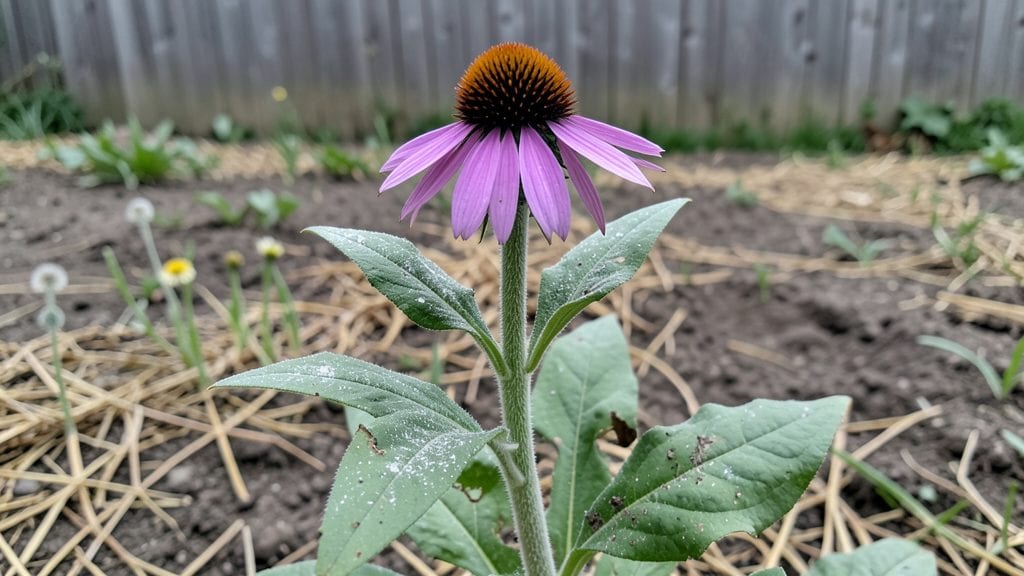
Echinacea plant diseases most commonly appear as powdery mildew, rust fungus, and bacterial leaf spot, which compromise plant health by weakening stems and reducing bloom production. Catching these issues early and using organic solutions like neem oil or copper fungicide helps stop them from worsening.
These common echinacea ailments often start with subtle signs like yellowing leaves or dark spots that spread quickly in damp conditions. 🌿 The key to saving your plants is acting fast—once fungal spores or bacteria take hold, they can stunt growth and even kill the plant if left untreated.
I’ve found that maintaining good airflow between plants and avoiding overhead watering cuts down on outbreaks significantly.
For example, powdery mildew loves humid mornings, while rust fungus thrives in crowded gardens where leaves stay wet. Bacterial leaf spot, on the other hand, spreads through contaminated tools or water.
Each requires a slightly different approach, but the goal is always the same: stop the spread before it becomes unmanageable.
💡 In This Article
- Identifying Echinacea Fungal and Bacterial Infections
- Natural Remedies for Echinacea Disease Prevention
Identifying echinacea fungal and bacterial infections
Here's what's actually happening when your echinacea shows signs of trouble: fungal infections like powdery mildew create those familiar white, powdery coatings you see on leaves.
These spores thrive in humidity levels above 75%, which is why they often appear after rainy periods or in crowded garden beds where airflow is restricted. The fungus feeds on plant sugars, causing leaves to yellow and curl inward as it blocks sunlight. 🌱
Rust fungus takes a different approach—it forms orange-brown pustules on undersides of leaves, which release spores that spread via wind or water splashes. These pustules rupture when wet, releasing thousands of spores that infect new tissue.
What most people don't realize is that rust weakens the plant's vascular system, reducing water and nutrient transport by up to 30% in severe cases. The black spots from bacterial leaf spot, meanwhile, contain oozing bacteria that spread through contaminated water or tools, creating perfect conditions for secondary infections.
The key factor in all these infections is humidity combined with poor airflow. Echinacea's fleshy leaves create ideal microclimates that trap moisture, while dense plantings prevent air circulation. When temperatures hover between 60-75°F—the sweet spot for most pathogens—these conditions become a perfect storm.
The plant's natural defenses, like waxy leaf coatings, become overwhelmed when spores land on fresh growth, particularly new leaves that haven't fully hardened.
What makes identification tricky is how symptoms progress differently based on the pathogen. Powdery mildew starts as isolated white patches that spread rapidly in 5-7 days under humid conditions, while rust appears as scattered pustules that merge into larger infected areas.
Bacterial leaf spot creates irregular black marks with yellow halos that can spread within 24-48 hours if moisture lingers. The progression speed depends on both the pathogen and environmental factors—high humidity accelerates all three by keeping spores viable longer.
Consider these visual clues when inspecting your plants: powdery mildew feels like dust when rubbed between fingers, rust pustules have a velvety texture when dry, and bacterial spots often have water-soaked edges.
The placement matters too—powdery mildew loves upper leaves, rust prefers undersides, and bacterial spots appear randomly but often near water splashes. 🌿 These distinctions help you target treatments more effectively before the plant's immune system collapses completely.
Here's a critical insight: early intervention changes everything. When you catch powdery mildew in its first 24 hours, you can often stop its spread with simple cultural changes. But wait until it covers 30% of leaves, and you're fighting a systemic infection that may require multiple treatments.
The same goes for rust and bacterial spot—the window for organic control narrows quickly once symptoms appear on multiple stems.