
Planting
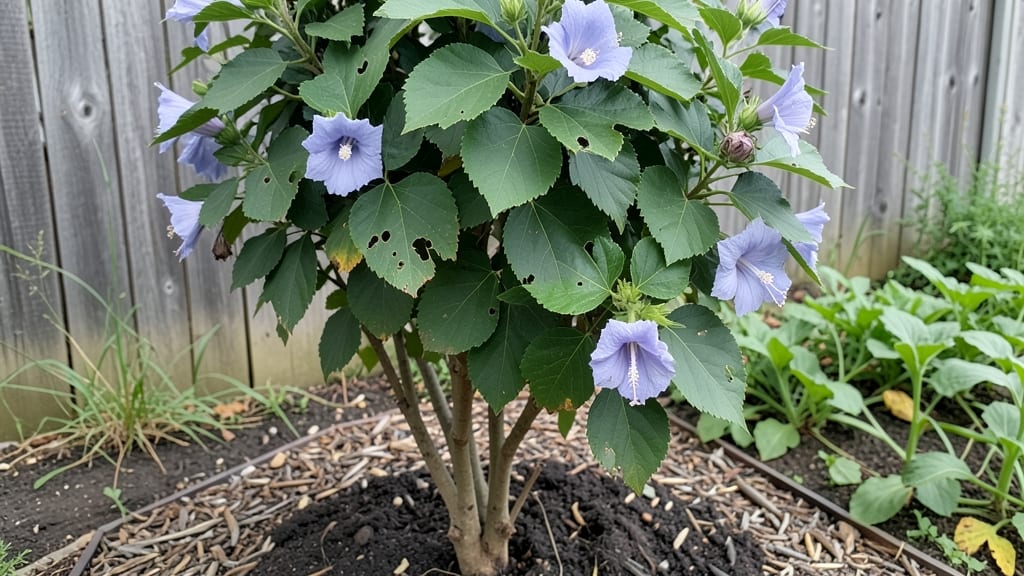
This duck bush plant (Commelina diffusa) grows so thick and fast, it turns bare spots into lush, year-round privacy walls. 🌿 I planted mine along a noisy street last spring, and by summer, the dense foliage blocked all the traffic noise—plus, it never went dormant, even through winter.
The key is its relentless growth habit, which makes it perfect for screens, borders, or even ground cover where you want something low-maintenance but impactful.
The secret to happy duck bushes lies in three simple needs: full sun to partial shade, consistently moist (but not soggy) soil, and a spot where it can spread freely. Most people overwater it, thinking it needs more, but the roots rot easily—stick your finger in the soil first.
Once established, it handles drought surprisingly well, which is why it thrives in hot climates without extra fuss. For best results, mix in some compost at planting to encourage that thick, velvety growth you’re after.
By late summer, your duck bush will be a wall of glossy green, so dense you can barely see through it—and that’s exactly the point. It stays vibrant all year, unlike many plants that fade in winter.
The bonus? It’s nearly pest-proof, rarely attracts diseases, and spreads quickly, so you’ll have more than you started with in no time. Just be ready to trim it back once or twice a year to keep it tidy.
Works as a standalone screen, mixed with other tropical plants, or even in containers for patios. Here’s how to get it growing strong from day one—no green thumb required.
📚 In This Guide
- What you need
- Instructions
- Tips and common mistakes
- Wrapping up and next steps
What you need
- ● Duck bush plant seeds or cuttings: 10–20 seeds (or 3–5 healthy cuttings) for a dense screen.
- ● Well-draining potting mix: 5–10 gallons (depending on container size). Use a blend of peat moss, perlite, and compost (ratio: 2:1:1).
- ● Containers or garden beds: Containers: 5–15 gallon pots (1–2 plants per container) with drainage holes.
- ● Garden beds: A trench or raised bed at least 12–18 inches deep and 3–4 feet wide for a thick screen.
- ● Slow-release fertilizer: 1–2 cups (for soil mix) or granular fertilizer (5-10-5 ratio).
- ● Watering can or hose with a gentle spray nozzle.
- ○ Mulch (optional but recommended): Straw or shredded leaves to retain moisture.
- ● Garden trowel or shovel (for planting).
- ● Pruning shears (to trim and encourage bushiness).
- ● Gloves (to protect hands from soil and sharp foliage).
- ○ pH testing kit (optional): Ideal soil pH for duck bush: 6.0–7.0.
- ● A sunny to partially shaded location (duck bush thrives in 4–6 hours of sunlight daily).
- ● Consistent moisture (keep soil damp but not waterlogged).
- ● Patience! Duck bush grows 1–2 feet per year—plan for a 2–3 year screen.
How to plant and maintain a duck bush for a lush privacy screen
This fast-growing shrub delivers thick, evergreen foliage that thrives year-round—perfect for instant privacy.
🌱 Step 1: Choose the Perfect Planting Location
Duck bush thrives in partial shade to full sun, making it versatile for most yards. Look for a spot with at least 4-6 hours of sunlight daily—morning sun with afternoon shade works best in hotter climates. Avoid low-lying areas where cold air settles, as duck bush dislikes soggy roots.
Measure your desired privacy screen width. Since duck bush grows 3-5 feet wide and tall, plant 4-5 bushes per 10-foot section for dense coverage. Space plants 3-4 feet apart in the ground or 2-3 feet apart in containers. I always sketch a rough layout first to visualize the mature size.
🪴 Step 2: Prepare the Soil and Plant
Duck bush adapts to most soil types but prefers well-draining, slightly acidic conditions. Amend heavy clay with 2-3 inches of compost mixed into the top 12 inches of soil. Dig holes twice as wide as the root ball but only as deep as the container—planting too deep suffocates roots.
Gently remove the plant from its container and loosen any circling roots with your fingers. Place it in the hole so the top of the root ball sits 1 inch below soil level. Backfill with native soil, pressing lightly to eliminate air pockets. Water deeply until moisture reaches 6 inches down—this helps roots establish quickly.
💧 Step 3: Water and Mulch for Strong Growth
Keep the soil consistently moist for the first 2-3 months, watering 1-2 times weekly depending on rainfall. You'll know it's time to water when the top 2 inches of soil feel dry. Overwatering causes root rot, so avoid soggy conditions. Once established, duck bush tolerates drought but looks best with regular moisture.
Spread 2-3 inches of mulch around each plant, keeping it 3 inches away from the stem to prevent rot. I use shredded bark or pine straw—both retain moisture and suppress weeds. Replenish mulch annually in spring to maintain its protective layer.
☀️ Step 4: Prune for Shape and Health
Light pruning in late winter or early spring encourages bushier growth. Trim back 1/3 of the oldest stems to the ground to rejuvenate the plant. For shaping, cut just above a leaf node at a 45-degree angle to promote new growth. Avoid heavy pruning in fall, as new growth won’t harden off before winter.
Watch for leggy stems reaching toward the sun—this means your bush needs more shade. Thin out crowded branches in early summer to improve airflow, which reduces disease risk. I always sterilize pruners with rubbing alcohol between cuts to prevent bacterial spread.
⏰ Step 5: Maintain Year-Round for Long-Lasting Privacy
Fertilize lightly in early spring with a balanced, slow-release fertilizer (10-10-10 ratio). Apply ½ cup per plant and water deeply to activate the granules. Avoid high-nitrogen fertilizers, which encourage leafy growth at the expense of dense foliage.
Monitor for pests like spider mites or scale, which thrive in dry conditions. Spray plants with water weekly during droughts to deter these pests. Duck bush rarely needs pesticides—healthy plants naturally resist most issues. With proper care, your privacy screen will fill in beautifully within 2-3 years.
Tips & tricks for perfect duck bush privacy screen
Here's what I learned after planting and maintaining duck bushes for years—these tricks ensure your privacy screen thrives from day one.
Location Visualization: Before digging, lay down a garden hose or string to mark your 10-foot sections. This helps you visualize how the mature 3-5 foot width of each bush will fill in. I always adjust spacing if my yard has strong prevailing winds—adding an extra foot between plants prevents them from leaning into each other.
Soil Prep Secret: For heavy clay soils, I mix in 3 inches of compost (instead of just 2-3) and add a handful of perlite to improve drainage. The key is creating that well-draining environment duck bushes love—don't skip this step if your soil feels compacted when squeezed. Test drainage by digging a hole, filling it with water, and checking if it drains within an hour.
Watering Strategy: During those first critical 2-3 months, I set a timer for my irrigation system or sprinkler to run for 10-15 minutes every other day rather than relying on rainfall. This ensures consistent moisture without overwatering. You'll notice new growth appears within weeks if you're keeping the soil properly moist.
Pruning Timing: That late winter/early spring pruning window is crucial—wait until you see new growth buds forming but before leaves emerge. I mark my calendar for February 15th as a reminder, as this timing gives stems enough time to harden off before summer. Never prune when frost is forecasted in your area.
Pro Tips for Duck Bush Plant
- Here's what I learned after planting and maintaining duck bushes for years—these tricks ensure your privacy screen thrives from day one.
- Location Visualization: Before digging, lay down a garden hose or string to mark your 10-foot sections.
- Soil Prep Secret: For heavy clay soils, I mix in 3 inches of compost (instead of just 2-3) and add a handful of perlite to improve drainage.
Frequently asked questions
about the duck bush plant (also called duck bush or duck bush privet) can help you make the best decisions for your privacy screen. Here are some common queries:What’s the best time of year to plant duck bush?
The ideal time to plant duck bush is in early spring or fall when temperatures are mild. This gives roots time to establish before extreme heat or cold. Avoid planting during summer droughts or winter freezes, as young plants are more vulnerable to stress.
How fast does duck bush grow, and when will I see a full privacy screen?
Duck bush grows at a moderate to fast pace—about 12 to 24 inches per year. With consistent care, you can expect a dense, 6- to 10-foot-tall screen in 3 to 5 years. Pruning annually in late winter encourages bushier growth.
How much water does duck bush need, and can it handle drought?
While duck bush is drought-tolerant once established, young plants need regular watering (1-2 inches per week) for the first year. Mature bushes thrive on occasional deep watering during dry spells. Mulching helps retain moisture and reduce evaporation.
How and when should I prune duck bush for the best shape?
Prune duck bush in late winter or early spring before new growth begins. Use clean, sharp shears to trim back overgrown branches by 1/3 to 1/2 for shape. Avoid heavy pruning in fall, as it can stimulate tender new growth vulnerable to frost.
Is duck bush toxic to pets or wildlife, like ducks?
Yes, duck bush (Ilex glabra) is mildly toxic to pets if ingested in large quantities, causing stomach upset. While ducks and other birds may peck at it, they typically avoid eating the leaves. Keep pets away from freshly pruned clippings to prevent nibbling.
What are some good alternatives if duck bush isn’t available?
If duck bush isn’t in stock, consider these dense, evergreen alternatives:
- Holly (Ilex spp.) – Similar evergreen foliage, great for structure.
- Boxwood (Buxus spp.) – Compact, low-maintenance, and versatile.
- Emerald Green Arborvitae (Thuja occidentalis) – Fast-growing and deer-resistant.
- Camellia (Camellia spp.) – Floral interest with thick foliage.
Wrapping up and next steps
The duck bush plant is a fantastic choice for anyone seeking a lush, low-maintenance privacy screen that thrives year-round. With its dense foliage and adaptability, it’s perfect for gardens, hedges, or even urban landscapes—plus, it’s a wildlife-friendly superstar! 🌿
Ready to transform your space? Start by assessing your site’s sunlight and soil needs, then grab your duck bush cuttings or seedlings. Plant with confidence—your future green haven awaits! 🌱
Next steps:
- Check local nurseries for duck bush varieties.
- Sketch a simple planting layout for even growth.
- Share your progress—we’d love to see your privacy screen come to life!