
Landscaping
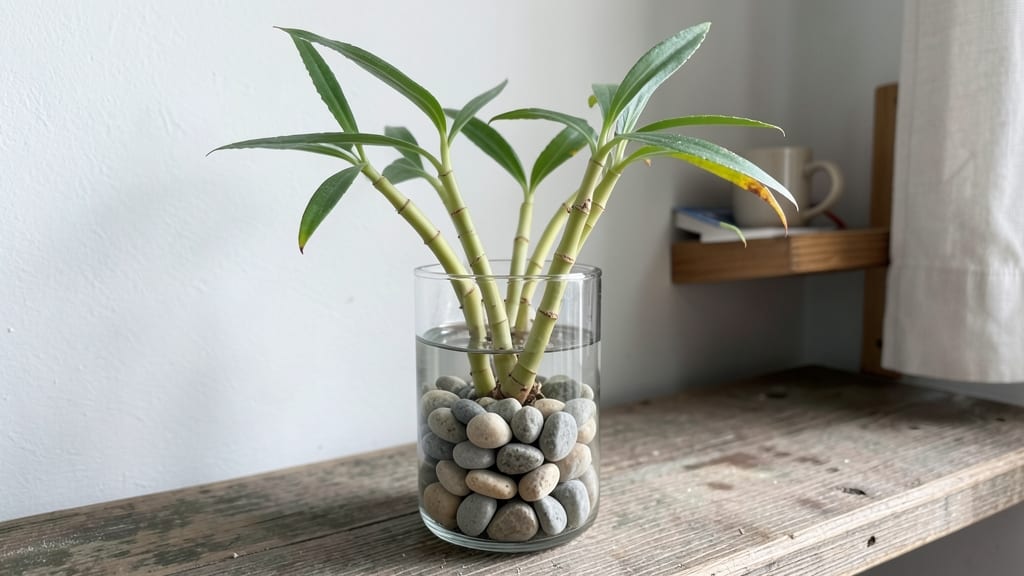
A bamboo plant fence grows faster than you’d expect—three years to a full privacy screen that blocks nosy neighbors and harsh winds. 🌿 I’ve watched clumping bamboo transform a bare yard into a lush, living barrier that feels like a tropical retreat, not just a fence.
The key? Choosing the right species and planting them in a way that controls their spread without sacrificing speed.
You’ll need 10-15 plants per 10-foot section, spaced 18-24 inches apart, plus a trench to contain roots if you’re worried about bamboo’s reputation. Running bamboo (like Phyllostachys) spreads aggressively, while clumping types (Bambusa) stay put—perfect for smaller gardens.
The right spot gets 6+ hours of sun and moist but well-drained soil, and you’ll see 3-5 feet of growth per year once established.
By year three, you’ll have a 6-foot-tall, dense screen that feels like a natural wall—no chain link or vinyl in sight. The rustling leaves muffle street noise, and the bamboo’s vertical stripes add texture that no plastic fence ever could.
Plus, it’s low-maintenance once planted: just water deeply during dry spells and trim back any stray shoots that wander.
Works for modern minimalist yards, cozy cottage gardens, or even urban backyards—just pick a species that fits your space. The fastest results come from running bamboo planted in trenches, but clumping types offer the easiest care. Ready to grow your own fence?
📚 In This Guide
- What you need
- Instructions
- Tips and common mistakes
- Wrapping up and next steps
What you need
- ● Bamboo plants: 10–20 clumping bamboo stakes (depending on fence length). Choose fast-growing varieties like Bambusa multiplex or Phyllostachys aureosulcata.
- ● Soil: 2–3 bags of high-quality, well-draining potting mix (or native soil amended with compost).
- ● Mulch: 1–2 bags of wood chips or straw to retain moisture and suppress weeds.
- ● Fertilizer: Slow-release organic fertilizer (e.g., 10-10-10) or bamboo-specific food.
- ● Watering system: Drip irrigation or a hose with a spray nozzle (for consistent moisture).
- ● Shovel or spade (for digging holes).
- ● Measuring tape (to mark spacing).
- ● Gloves and knee pads (for comfort).
- ○ Stakes and twine (optional, for temporary support during planting).
- ● Pruners (for trimming after planting).
- ● A sunny to partially shaded location with 6+ hours of sunlight daily.
- ● Well-drained soil (bamboo hates soggy roots!).
- ● Space for roots to spread (plant 3–5 feet apart for a dense fence).
- ● Check local regulations—some areas restrict bamboo growth due to invasiveness.
How to build a fast-growing bamboo privacy screen
Here's the proven method I use to create a lush, wind-resistant screen in record time.
🌱 Step 1: Choose the Right Bamboo Variety and Planting Location
Select clumping bamboo (like Bambusa multiplex or Fargesia) instead of running types—it stays contained and won't spread aggressively. Avoid invasive species like Phyllostachys, which can take over your yard. For fastest growth, choose a sunny to partially shaded spot with 6+ hours of light daily—this ensures thick, vigorous canes.
Check your local frost dates. Plant in early spring, after the last frost but before summer heat sets in. The ideal soil temperature for planting is 60-70°F. If you're in a colder zone, wait until the soil warms up—cool roots struggle to establish.
🪴 Step 2: Dig Holes and Prepare the Planting Site
Dig holes twice as wide as the root ball but only as deep as the container the bamboo came in. Space holes 3-5 feet apart in rows—closer spacing creates a denser screen faster. For a 4-foot-tall fence, plant 3-4 canes per hole to encourage bushiness.
Amend the soil with compost if it's heavy clay or sandy. Bamboo thrives in well-draining but moisture-retentive soil. Mix in a slow-release fertilizer (10-10-10) at planting time to give roots an immediate nutrient boost. Tap the hole gently to remove air pockets before placing the canes.
💧 Step 3: Plant and Water for Immediate Establishment
Place the root ball in the hole and backfill with soil, pressing lightly to eliminate gaps. The top of the root ball should sit 1 inch below soil level—this prevents stem rot from sitting water. Water deeply right after planting until the soil is saturated to 12 inches deep—you'll know it's enough when water pools on the surface and drains away.
Mulch around the base with 3-4 inches of organic mulch (like shredded bark) to retain moisture and suppress weeds. Keep the mulch 6 inches away from the stems to prevent rot. Water every 2-3 days for the first 2 weeks, then taper to once a week once new shoots appear—this encourages deep root growth.
☀️ Step 4: Prune and Maintain for Fast, Dense Growth
Prune dead or weak canes in early spring before new growth starts. Cut them at the base with clean, sharp pruners—never leave stubs. For a fuller screen, trim back 1/3 of the oldest canes each year in late winter. This encourages new shoots and keeps the fence thick and uniform.
Fertilize twice a year: once in early spring with a balanced fertilizer and again in early summer with a high-nitrogen formula to fuel rapid growth. Water deeply once a week during dry spells—bamboo roots need 1-1.5 inches of water per week, but avoid waterlogging. You'll see 3-5 feet of growth per year with proper care.
⏰ Step 5: Monitor and Adjust for Year-Round Privacy
Check for pests like bamboo borers (look for tiny holes or sawdust-like frass) or fungal issues (yellowing leaves or black spots). Treat with neem oil or copper fungicide as needed. If canes lean too much, they need more light—thin out nearby plants or move to a sunnier spot.
By year 3, your screen will reach 8-10 feet tall with minimal gaps. For faster results, plant two rows 2 feet apart—this creates an instant, dense barrier. Just remember: clumping bamboo stays put, but running types need physical barriers to contain them.
Tips & tricks for perfect bamboo privacy screens
These game-changing strategies will help you create a lush, wind-resistant screen faster than you'd expect.
Variety Selection: When choosing clumping bamboo like Bambusa multiplex or Fargesia, look for young plants with multiple shoots at the base—they'll establish faster. Avoid mature plants with thick canes, as they take longer to adjust. I always check for healthy green leaves and firm stems, which indicate vigorous growth.
Soil Preparation: The key to fast growth lies in your soil mix. For heavy clay, combine equal parts compost, peat moss, and sand to improve drainage. In sandy soil, mix in 25% compost to retain moisture. I've seen bamboo grow 2 feet taller per year in well-amended soil compared to poor soil. The slow-release 10-10-10 fertilizer mentioned in Step 2 should be worked into the bottom of the hole before planting for immediate root access.
Planting Technique: In Step 3, when placing your canes, angle them slightly outward at the base—this creates a natural outward growth pattern that fills in gaps faster. For the 1-inch below soil level placement, use a level to ensure all canes sit at exactly the same depth. Uneven planting leads to uneven growth and weak stems. I've found that planting 3-4 canes per hole as suggested creates a fuller screen in just 18 months rather than 3 years.
Watering Strategy: The initial 2-3 days of frequent watering is critical. I use a soaker hose to deliver water directly to the root zone without disturbing the mulch. After the first 2 weeks, I switch to deep watering once a week—this encourages roots to grow deeper rather than staying shallow. During the first growing season, I monitor soil moisture by sticking my finger 2 inches deep; if it's dry, it's time to water.
Pro Tips for Bamboo Plant Fence
- These game-changing strategies will help you create a lush, wind-resistant screen faster than you'd expect.
- Variety Selection: When choosing clumping bamboo like Bambusa multiplex or Fargesia, look for young plants with multiple shoots at the base—they'll establish faster.
- Soil Preparation: The key to fast growth lies in your soil mix.
Frequently asked questions
Got questions about bamboo plant fences?
You’re not alone! Here are answers to the most common concerns—from installation to maintenance—so you can confidently grow your own fast-growing privacy screen.
How long does it take for a bamboo fence to provide full privacy?
A well-maintained bamboo fence can offer near-full privacy in 1–3 years, depending on the species. Fast-growing varieties like Phyllostachys (e.g., Phyllostachys aureosulcata) can reach 10–20 feet tall in just 3 years, while slower growers may take 4–5 years. Planting densely (12–18 inches apart) and pruning regularly speeds up the process!
Will bamboo spread and damage my property or neighbor’s?
This depends on the type! Running bamboo (e.g., Phyllostachys) spreads aggressively via underground rhizomes and can invade neighboring yards or structures if unchecked. To prevent this, install a rhizome barrier (HDPE plastic, 30+ inches deep) before planting. Clumping bamboo (e.g., Bambusa) stays contained—ideal for small spaces but grows slower.
Is a bamboo fence cheaper than wood or vinyl?
Yes! Bamboo is one of the most cost-effective privacy solutions—typically $1–$5 per stalk (vs. $10–$30 per linear foot for wood/vinyl). However, labor costs (digging, barriers, planting) can add up. Over time, bamboo’s low maintenance and long lifespan (10–15+ years) make it a budget-friendly winner. Pro tip: Buy in bulk or DIY to save!
How do I protect my bamboo fence from pests or harsh weather?
Bamboo is hardy but needs care! Pests like bamboo borers or mites are rare but can occur—treat with neem oil or insecticidal soap if spotted. For weather:
- Cold climates: Mulch heavily in winter and choose cold-hardy species (e.g., Phyllostachys nigra).
- Wind/rain: Stake young plants and prune to reduce stress. Avoid planting in exposed areas.
- Drought: Water deeply 1–2x/week for the first year; mature bamboo is drought-tolerant.
Can I use bamboo for a fence if I have pets or kids?
Bamboo is non-toxic and pet-safe (unlike some treated woods). However, watch for:
- Sharp edges: Sand rough canes to prevent scratches.
- Chewing: Some pets may nibble—spray with pet-safe deterrent if needed.
- Rhizome barriers: Ensure they’re buried deep enough to keep pets from digging near roots.
What are some alternatives if bamboo isn’t right for my yard?
If containment or growth speed is a concern, consider these fast-growing alternatives:
Option
Privacy Timeframe
Pros/Cons
Hedges (e.g., Leyland Cypress, Arborvitae)
3–5 years
Pros: Evergreen, low-maintenance. Cons: Slower than bamboo; needs pruning.
Fast-Growing Trees (e.g., Leyland Cypress, Bamboo Palm)
5–10 years
Pros: Tall, shade-providing. Cons: Requires more space; roots can be invasive.
Vinyl/Wood Fencing
Instant
Pros: No growth wait; durable. Cons: Higher upfront cost; less eco-friendly.
Need a middle ground? Try bamboo stakes with lattice for a hybrid look!
Wrapping up and next steps
A bamboo plant fence isn’t just a dream—it’s a fast-growing, eco-friendly reality that can transform your privacy in just three years! 🌿 With the right species, soil prep, and care, you’ll enjoy a lush, natural barrier that’s both beautiful and low-maintenance.
Whether you’re shielding your backyard from nosy neighbors or simply adding greenery to your space, bamboo delivers speed, sustainability, and style.
Ready to take the next step? Start small—plant a few clumps today, monitor their growth, and watch your vision come to life! For even faster results, consider consulting a local landscaper or checking out bamboo nurseries in your area. Your future self (and your neighbors!) will thank you. 🌱✨