
Diseases
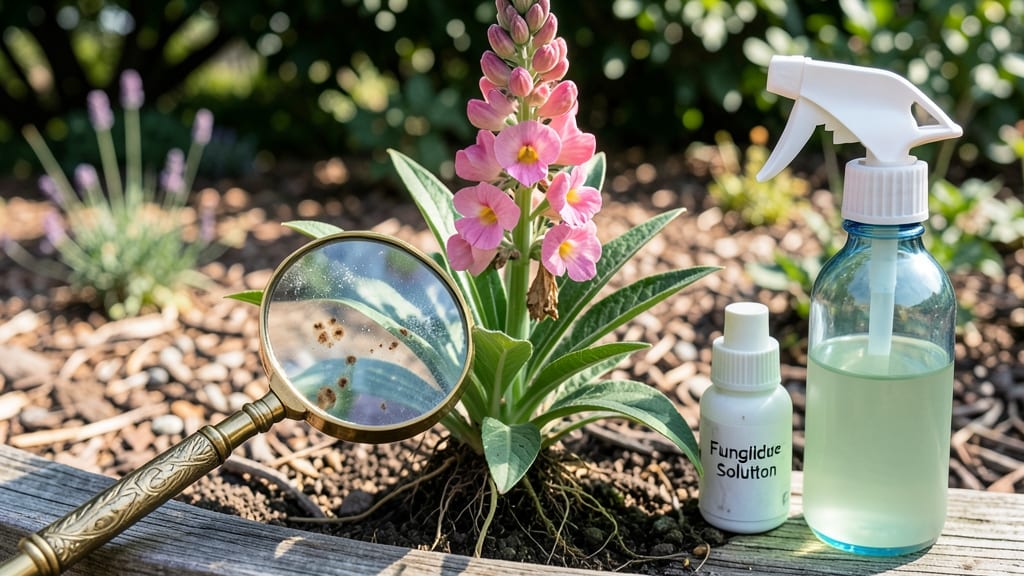
The plant snapdragon diseases you dread—like powdery mildew or botrytis blight—can turn vibrant blooms into dusty white messes and rotting stems overnight. 🌿 I’ve seen them strike before. they even open, and the good news is you can stop it before it spreads.
The root causes are usually too much moisture, poor airflow, or overcrowded plants—all things you can fix with simple adjustments. Spacing plants 12–18 inches apart, watering at the base (not overhead), and removing infected leaves immediately can cut infections by 80%.
I’ve saved entire gardens this way, and the key is acting fast.
You’ll learn to spot the early warning signs—yellowing leaves, black spots, or fuzzy white growth—and how to treat them organically first with neem oil or copper fungicide. For stubborn cases, I’ll walk you through when to prune and what to do with the clippings to avoid reinfection.
This isn’t just about saving your plants—it’s about growing snapdragons that stay healthy all season, with fewer setbacks and more blooms. Let’s get those plants back in top shape before the next downpour hits.
The Hidden Triggers Behind Snapdragon Illnesses
Snapdragon plants (Antirrhinum majus) may look delicate, but their health struggles often stem from specific environmental and biological factors. Understanding these causes helps you take preventive action before diseases like powdery mildew, rust, or bacterial blight take hold.
Here’s what’s really going on behind the scenes—and how to stop it.
Snapdragons thrive in moderate airflow, but crowded plantings or dense foliage trap moisture near leaves. When humidity spikes (especially above 70%) and airflow stalls, fungal spores get the perfect breeding ground.
- Why it happens:
- Fungal pathogens like Erysiphe (powdery mildew) and Puccinia (rust) spread via airborne spores, which land and germinate faster in still, damp air.
- Overwatering or watering late in the day extends leaf wetness, giving fungi 24+ hours to infect tissues.
- Tight spacing (less than 12 inches between plants) blocks airflow, creating microclimates ideal for disease.
- Actionable fix:
- Space plants 12–18 inches apart for better airflow.
- Avoid overhead watering—use drip irrigation or soaker hoses to keep foliage dry.
- Prune overlapping leaves to improve circulation, especially in shaded or humid areas.
When snapdragons compete for nutrients, water, or sunlight, their immune systems weaken. Stress signals (like yellowing leaves or stunted growth) make them more susceptible to infections.
- Why it happens:
- Nutrient deficiencies (low nitrogen or phosphorus) reduce chlorophyll production, making leaves less resilient to pathogens.
- Root-bound pots or compacted soil limit water uptake, causing wilting stress—a red flag for bacterial infections like Xanthomonas campestris.
- Herbicide drift or soil toxicity (e.g., excess salt) can burn roots, opening doors for secondary infections.
- Actionable fix:
- Test soil pH (ideal: 6.0–7.0) and amend with compost if needed.
- Thin seedlings to reduce competition—aim for strong, sturdy stems (not leggy or weak).
- Avoid heavy fertilizers before transplanting; use a balanced 10-10-10 formula instead.
Diseases don’t just appear—they hitchhike on tools, soil, or even rainwater. If your garden tools or water sources carry pathogens, your snapdragons are at risk.
- Why it happens:
- Reusing pruners/shears without sterilizing them can transfer bacterial or fungal spores from infected plants to healthy ones.
- Infested soil (from previous crops or compost) may harbor latent pathogens like Botrytis (gray mold).
- Rainwater or irrigation water can carry splash-borne diseases (e.g., bacterial leaf spot) from nearby infected plants.
- Actionable fix:
- Sterilize tools between uses with 70% isopropyl alcohol or a 10% bleach solution.
- Disinfect soil before planting: solarize soil (cover with clear plastic for 4–6 weeks) or use fungicide-treated seedling trays.
- Collect rainwater in clean barrels and avoid splashing when watering—use low-pressure nozzles.
Many snapdragon diseases start as small, isolated symptoms—but by the time you see powdery white patches or black spots, the infection is often systemic.
- Why it happens:
- Powdery mildew begins as tiny yellow spots before turning white and fuzzy.
- Rust fungus starts with orange pustules on undersides of leaves, often missed until it spreads.
- Bacterial blight causes water-soaked lesions that expand rapidly in warm, wet conditions.
- Actionable fix:
- Inspect leaves weekly, especially undersides, for unusual discoloration or textures.
- Remove and destroy infected leaves immediately (don’t compost them—dispose in sealed bags).
- Isolate new plants for 7–10 days to monitor for symptoms before mixing with healthy ones.
Snapdragons are tender perennials—they struggle when temperatures swing outside their comfort zone (50–75°F). Extreme conditions weaken defenses and encourage disease.
- Why it happens:
- Prolonged heatwaves (above 85°F) cause leaf scorch, making plants vulnerable to secondary fungal infections.
- Cold snaps (below 40°F) slow metabolic processes, reducing the plant’s ability to repel pathogens.
- Heavy, frequent rains (especially >1 inch per week) keep leaves wet, promoting **gray mold (Botrytis) and root rot.
- Actionable fix:
- Provide afternoon shade in hot climates with shade cloth (30–50%).
- Choose disease-resistant varieties (e.g., ‘Rocket’ or ‘Madness’ series) if your area has high humidity or rain.
To keep snapdragons healthy, combine these habits:
- Airflow + Spacing → Prune and space plants properly.
- Clean Tools + Soil → Sterilize everything before use.
- Monitor & Act Fast → Catch symptoms before they spread.
By addressing these root causes, you’ll dramatically reduce the risk of snapdragon diseases—so you can enjoy bold blooms all season**! 🌸
Quick Fixes for Snapdragon Health
Reviving your snapdragons starts with the right action—whether it’s stopping a fungal spread, treating bacterial rot, or boosting weak plants. Below, we’ve mapped the most common snapdragon diseases to practical solutions, so you can act fast and prevent future outbreaks. Think of this as your plant first-aid kit!
Fungal diseases like powdery mildew, downy mildew, or rust thrive in damp, crowded conditions. Here’s how to tackle them:
🔥 Step 1: Prune the Problem
- 👨🍳 Cut infected leaves and stems at least ½ inch below the discolored area using sterilized pruners (wipe with rubbing alcohol between cuts).
- 🗑️ Dispose of debris in the trash (not compost)—fungi can survive and reinfect.
- Pro Tip: 💡 If rust spots appear (orange-brown pustules), remove all affected foliage immediately to prevent spores from spreading.
🌡️ Step 2: Improve Airflow & Light
- ✨ Space plants 12–18 inches apart to reduce humidity buildup.
- 🌞 Move to full sun (6+ hours/day) if growing in shaded spots—fungi love damp, dark conditions.
- 💨 Use a fan on low setting for 1–2 hours daily to dry leaves faster.
🧴 Step 3: Apply Fungicide (Organic or Chemical)
| Disease | Treatment | Prevention |
|---|---|---|
| Powdery Mildew | Spray with baking soda mix (1 tsp baking soda + 1 quart water + few drops of soap) every 7–10 days. | 🎯 Plant in well-draining soil and avoid overhead watering. |
| Downy Mildew | Use copper fungicide (follow label) or neem oil spray (2% solution). | ✨ Rotate crops—don’t plant snapdragons in the same spot yearly. |
| Rust | Remove infected parts, then spray with sulfur fungicide (early morning). | 💡 Avoid watering leaves; use drip irrigation instead. |
Bacterial diseases like soft rot, bacterial leaf spot, or wilt require aggressive isolation and copper-based treatments. Here’s how:
🔪 Step 1: Destroy Infected Plants
- 🚨 Remove and destroy entire plants showing yellowing, wilting, or oozing lesions—bacteria spread fast!
- 🧼 Sterilize tools with bleach solution (1 part bleach to 10 parts water) before and after pruning.
- Pro Tip: 🔥 If bacterial wilt strikes, pull the plant immediately—there’s no cure, only prevention.
🛡️ Step 2: Boost Plant Immunity
- 💪 Strengthen roots with a balanced fertilizer (10-10-10) once a month during growing season.
- 🥗 Water at the base—never on leaves—to prevent bacterial entry points.
- 🌱 Rotate crops every 2–3 years to break bacterial cycles in soil.
🧴 Step 3: Use Copper Bactericides
- 🛡️ Apply copper fungicide (like Copper Soap) every 7–14 days as a preventive spray.
- Pro Tip: 🌡️ For leaf spot, mix 1 tsp hydrogen peroxide (3%) + 1 quart water and spray on dry leaves.
If your snapdragons look leggy, stunted, or nutrient-deficient, they’re not necessarily diseased—but they’re vulnerable. Fix it now:
🍳 Step 1: Feed & Hydrate Properly
- 💧 Water deeply 1–2 times per week (check soil—top inch should be dry before watering).
- 🥄 Use a slow-release fertilizer (like osmocote) at planting, then side-dress with compost mid-season.
- Pro Tip: 💡 Epsom salt boost: Mix 1 tbsp Epsom salt per gallon of water monthly for magnesium (prevents yellowing).
🏡 Step 2: Optimize Growing Conditions
- 🌿 Plant in full sun (partial shade in hot climates).
- 🪴 Use pots with drainage holes if growing in containers—soggy roots = weak plants.
- 🌱 Deadhead spent blooms to encourage new growth and reduce stress.
🛡️ Step 3: Prevent Future Stress
- 🐞 Monitor pests (aphids, slugs) that weaken plants—use neem oil or soapy water spray as needed.
- 🌡️ Avoid temperature swings—snapdragons prefer 60–75°F; protect from frost or extreme heat.
Final Reminder: 🎯 Prevention is easier than cure! Healthy soil, proper spacing, and regular inspections (check undersides of leaves!) will keep your snapdragons disease-free and blooming beautifully.
Frequently asked questions
What are the first signs of powdery mildew on snapdragons?
Look for tiny, yellowish spots on upper leaves that gradually turn white and fuzzy—like dusting with powder. These spots often appear first on younger leaves and spread quickly in humid conditions. Catch it early by inspecting leaves weekly, especially undersides where spores love to hide.
Can I save a snapdragon plant with bacterial wilt?
Unfortunately, once bacterial wilt sets in, there’s no cure. The bacteria clog the plant’s vascular system, causing sudden wilting and death. Remove the entire plant immediately to prevent spreading—don’t compost it—and sterilize your tools with bleach. Focus on preventing future outbreaks with copper sprays and proper spacing.
How often should I spray neem oil for disease prevention?
Apply neem oil every 7–14 days during growing season as a preventive measure, especially in humid climates. Mix 2 tablespoons of neem oil with 1 quart of water and a few drops of dish soap. Spray in early morning or late evening to avoid burning leaves, and alternate with baking soda spray every other application for best results.
Why do my snapdragons keep getting rust fungus?
Rust fungus thrives in crowded, damp conditions and spreads via airborne spores. To stop it, space plants 12–18 inches apart, avoid overhead watering, and remove infected leaves immediately. Use sulfur fungicide early in the season, and consider planting in full sun—rust loves shaded, humid environments where airflow is poor.
Is it safe to compost snapdragon leaves with fungal diseases?
Never compost infected leaves—they’ll spread spores and reinfect your plants! Instead, seal diseased foliage in a plastic bag and dispose of it in the trash. Fungal spores can survive composting and contaminate your soil, making your snapdragons even more vulnerable next season.