
Diseases
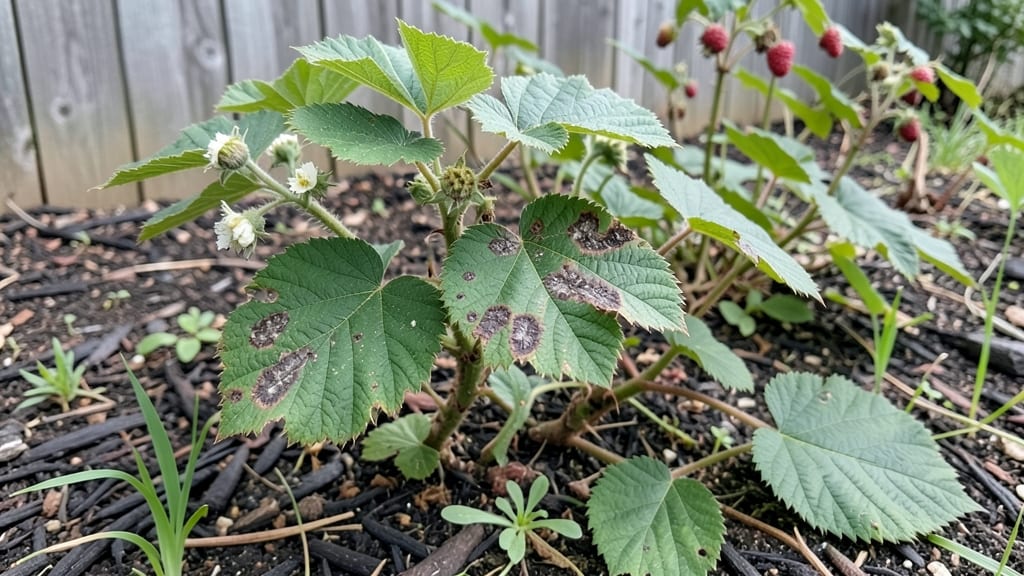
When blackberry plant diseases like fungal blights strike—leaving brown spots or sudden wilting—you can save your canes by catching the signs early. 🌿 I’ve lost entire canes to these silent invaders—until I learned to spot the early signs and act fast.
The key isn’t just treating the disease but understanding why it takes hold in the first place.
Most fungal problems start with too much moisture—whether from overhead watering, poor airflow, or soggy soil. Blackberries hate soggy feet, yet many gardeners unknowingly create the perfect breeding ground. The good news? Early detection turns a potential disaster into a quick fix with the right organic sprays or pruning techniques.
You’ll learn to recognize the telltale signs—yellowing leaves, blackened canes, or powdery growth—and how to stop them before they spread. With these simple adjustments, your blackberries can bounce back stronger than ever, producing juicy fruit all season long.
This works for both thornless and traditional varieties, in home gardens or small-scale farms. Let’s get those plants healthy again—before next year’s harvest is at risk.
Root Causes Of Blackberry Illness
Blackberry plants, like any living organism, are vulnerable to diseases when their balance is disrupted. Understanding why these issues arise is the first step to prevention and treatment. Below, we break down the key factors that invite fungal blights, bacterial infections, and other ailments into your blackberry patch.
Blackberries thrive in well-draining, nutrient-rich soil with a slightly acidic pH (5.5–6.5). When soil quality deteriorates, fungal pathogens like Botrytis cinerea (gray mold) or Phytophthora (root rot) gain a foothold. Here’s why:
- Compacted or Waterlogged Soil:
Excess moisture suffocates roots, creating anaerobic conditions that weaken the plant’s defenses. Fungi like Rhizoctonia exploit this by thriving in damp, oxygen-poor environments.
- Nutrient Deficiencies:
Lack of nitrogen, phosphorus, or potassium stresses plants, making them more susceptible to infections. For example, a deficiency in magnesium (a key component of chlorophyll) reduces photosynthesis, leaving the plant energy-depleted and vulnerable.
- Improper pH Levels:
Soil that’s too alkaline (pH > 7.0) locks out essential nutrients like iron and manganese, while overly acidic soil (pH < 5.0) can damage root cells, opening doors for pathogens.
💡 Pro Tip: Test your soil annually and amend it with compost, sulfur (for alkalinity), or lime (for acidity) to maintain optimal conditions.
Blackberries are hardy, but extreme or inconsistent weather can push them over the edge. Humidity, temperature swings, and poor airflow create the perfect storm for disease spread.
- High Humidity & Rainfall:
Fungal spores (e.g., Anthracnose) spread rapidly in wet conditions. Prolonged leaf wetness (over 12 hours) encourages spore germination, leading to blight. Botrytis, for instance, thrives in temperatures between 60–75°F (15–24°C) with high humidity.
- Temperature Fluctuations:
Sudden drops below 32°F (0°C) can damage plant tissue, creating entry points for bacteria like Xanthomonas campestris, which causes bacterial angular leaf spot. Conversely, heatwaves (>90°F/32°C) weaken plants, making them more prone to stress-related diseases.
- Poor Air Circulation:
Dense foliage or overcrowded plants trap moisture, slowing evaporation and prolonging leaf wetness. This stagnant environment is ideal for Alternaria and Septoria fungi, which cause leaf spots and defoliation.
🌡️ Actionable Fix: Space plants 3–4 feet apart, prune for airflow, and avoid overhead watering. Use drip irrigation or soaker hoses to keep foliage dry.
Diseases don’t appear out of nowhere—they’re introduced through contaminated tools, infected plants, or even wildlife. Here’s how it happens:
- Contaminated Pruning Tools:
Knives or shears used on infected plants can transfer spores (e.g., Didymella applanata, which causes cane blight) to healthy ones. Even 1% of spores on a tool can inoculate a wound.
- Infected Plant Material:
Buying or propagating blackberries from nurseries with diseased stock (e.g., plants showing rust or powdery mildew) guarantees trouble. Some pathogens, like Verticillium wilt, can persist in soil for years.
- Wildlife & Insect Vectors:
Birds, rodents, and even bees can spread fungal spores or bacterial cells between plants. For example, Raspberry bushy dwarf virus (which affects blackberries) is transmitted by aphids.
✨ Prevention Tip: Sterilize tools with 70% isopropyl alcohol or a 10% bleach solution between cuts. Quarantine new plants for 2–4 weeks and inspect for symptoms before adding them to your patch.
Even the best-intentioned gardening habits can backfire. Over-fertilizing, improper pruning, or ignoring sanitation can create a disease-friendly ecosystem.
- Excessive Nitrogen Fertilizer:
Too much nitrogen promotes lush, soft growth that’s highly susceptible to fungal infections. It also delays maturity, leaving plants vulnerable longer. Rule of thumb: Use a balanced fertilizer (e.g., 10-10-10) and avoid synthetic nitrogen spikes.
- Improper Pruning:
Cutting too late in the season (after June) or leaving stubs encourages Botrytis and Leveillula taurica (powdery mildew). Always prune in dormancy (late winter/early spring) and remove debris immediately.
- Ignoring Debris & Mulch:
Leaving fallen leaves, canes, or old mulch on the ground harbors overwintering spores. For example, Monilinia fructicola (fruit rot) survives in mummified berries and infected canes.
🔥 Quick Fix: Remove all plant debris after harvest and apply 3–4 inches of straw mulch (not wood chips, which can harbor pathogens) to improve soil health without trapping moisture.
Quick Fixes for Blackberry Fungal Woes
Fungal diseases can turn your thriving blackberry bushes into a sad, wilted mess—but don’t panic! With the right approach, you can revive your plants and keep future outbreaks at bay.
Below are practical, step-by-step solutions tailored to the most common blackberry fungal issues, plus prevention tips to protect your harvest for years to come.
🔥 Remove Infected Leaves & Canes Start by pruning away any leaves, canes, or fruit showing dark sunken spots (a telltale sign of anthracnose). Use sterilized pruners (wipe with rubbing alcohol between cuts) to avoid spreading spores. Dispose of infected debris in the trash—not compost—to prevent reinfection.
🍳 Apply Fungicide Early & Often Once symptoms appear, spray with a copper-based fungicide (like copper sulfate or Bordeaux mixture) or a fungicide labeled for anthracnose (e.g., chlorothalonil or myclobutanil). Reapply every 7–14 days during wet conditions. For organic growers, try a baking soda spray (1 tbsp baking soda + 1 tsp dish soap + 1 gallon water) as a preventive measure.
🌡️ Boost Airflow & Light Anthracnose thrives in humid, shaded conditions. Thin out crowded canes, prune lower branches to improve airflow, and space plants 3–4 feet apart to reduce moisture buildup. If your blackberries are in a shady spot, consider moving them to full sun (6+ hours daily).
✨ Prevention Pro Tips:
- Water at the base (avoid overhead sprinkling) to keep leaves dry.
- Mulch with straw (not thick layers of wood chips) to prevent soil-borne spores from splashing onto canes.
- Rotate crops if possible—don’t plant blackberries in the same spot year after year.
👨🍳 Prune & Burn Infected Foliage Rust shows up as orange-yellow pustules on leaves. Snip off and destroy all infected leaves immediately—do not compost them. Focus on removing lower leaves first, as they’re most vulnerable to splashing water.
🥘 Use a Preventative Fungicide Spray Before symptoms appear (especially in spring and early summer), spray with a fungicide containing neem oil, sulfur, or potassium bicarbonate. If rust is already present, switch to a systemic fungicide like triademefon (follow label instructions carefully).
🔪 Thin Canes for Better Sun Penetration Rust spores spread more easily in dense, shaded foliage. Thin out weak or crossing canes to let sunlight and air circulate. Aim for 3–5 strong canes per plant to reduce humidity pockets.
🎯 Prevention Checklist:
- Avoid overhead watering—use drip irrigation instead.
- Plant rust-resistant varieties like ‘Triple Crown’ or ‘Natchez’ if rust is recurrent.
- Clean up fallen leaves in autumn to remove overwintering spores.
🔪 Remove & Destroy Rotten Berries Botrytis (gray mold) causes soft, mushy berries with gray fuzz. Pick off and discard infected fruit immediately—don’t leave it on the plant or ground. Check for moldy caps on unripe berries and remove those too.
🍳 Improve Sanitation & Spacing Botrytis loves moist, crowded conditions. Space plants wider (4–5 feet apart) and prune to open the canopy. After harvest, clean up all debris and sterilize pruners to prevent spore spread.
🌡️ Use Fungicides at Critical Times Apply a fungicide with active ingredients like iprodione or boscalid when flower buds open and fruit begins to ripen. For organic options, try a hydrogen peroxide spray (1 tbsp per quart of water) or baking soda mix (as above).
💡 Pro Tip:
- Avoid wounding canes during pruning—botrytis enters through cuts.
- Harvest berries when fully ripe to prevent overripe fruit from inviting mold.
Even after treating an outbreak, prevention is key to long-term blackberry health. Here’s how to future-proof your plants:
| Step | Action | Why It Works |
|---|---|---|
| 🌱 Soil Care | Test soil pH (ideal: 5.5–6.5) and amend with compost. | Healthy soil = stronger plants that resist disease. |
| 💧 Watering | Water early in the day (before 10 AM) and at the base. | Reduces leaf wetness, which fuels fungal spores. |
| 🪓 Pruning | Prune in late winter/early spring to remove old canes and improve airflow. | Prevents debris buildup and reduces hiding spots for spores. |
| 🧼 Cleanup | Rake and remove all fallen leaves, fruit, and mulch in fall. | Eliminates overwintering spores. |
| 🛡️ Fungicide Schedule | Apply a preventative fungicide spray every 2–3 weeks during wet seasons. | Creates a protective barrier before fungi take hold. |
Final Thought: 🌟 Healthy blackberries start with healthy habits! By acting fast when you spot symptoms and staying proactive with prevention, you’ll enjoy juicy, disease-free berries season after season. 🍇💚
Frequently asked questions about blackberry plant diseases
What are the most common signs of fungal infections in blackberry plants?
Look for dark, sunken spots on leaves or canes (anthracnose), orange-yellow pustules (rust), or gray fuzzy growth on berries (Botrytis). Leaves may also yellow, curl, or drop prematurely. Early detection is key—act fast to prevent spread.
Can I save my blackberries if they already have a fungal disease?
Yes! Prune infected leaves/canes immediately, apply copper-based fungicide, and improve airflow by spacing plants 3–4 feet apart. For organic fixes, try baking soda spray (1 tbsp baking soda + 1 tsp dish soap per gallon of water). Repeat treatments every 7–14 days during wet weather.
Why does my blackberry patch keep getting diseases every year?
Overcrowded plants, poor airflow, and wet foliage create the perfect breeding ground. Compacted soil or old mulch can harbor spores too. Solution: Thin canes, water at the base (never overhead), and sterilize tools between cuts. Rotate crops if possible.
Are there disease-resistant blackberry varieties I can plant?
Try ‘Triple Crown’ (thornless, anthracnose-resistant) or ‘Natchez’ (rust-resistant). These hybrids are bred to handle common fungal issues better than traditional varieties. Always check labels for disease resistance before purchasing.
How do I prevent diseases before they start?
Start with healthy soil (pH 5.5–6.5), mulch with straw (not wood chips), and avoid overhead watering. Apply preventative fungicide sprays (neem oil or sulfur-based) every 2–3 weeks during wet seasons. Clean up all debris in fall to remove overwintering spores.