
Fertilization
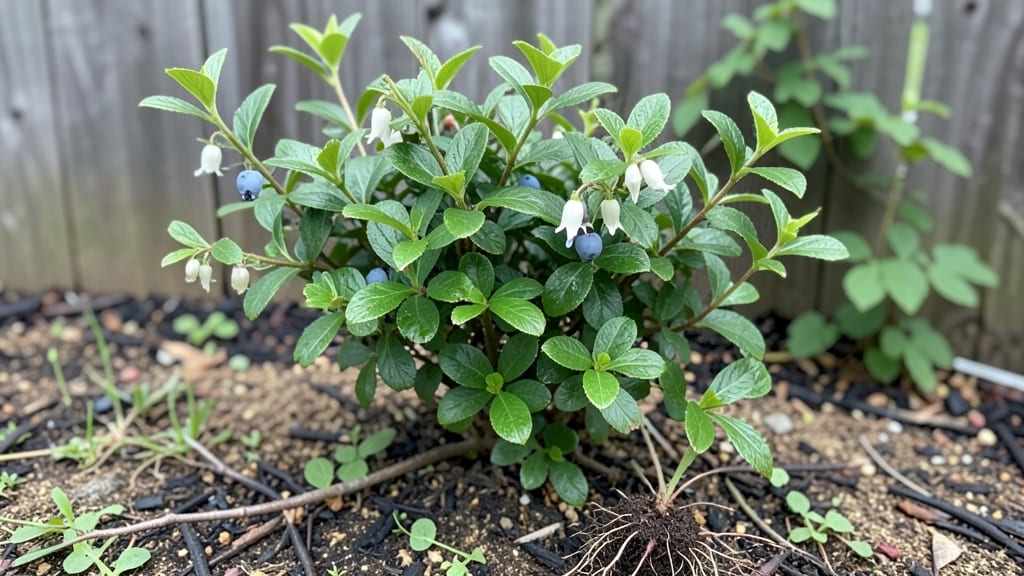
Planting blueberries thrives in the right soil pH and sunlight conditions—two factors that make all the difference between a bush full of juicy 🫐 berries and one that barely survives.
Picture this: you’ve dug the hole, planted your sapling, and watered it faithfully—only to watch it struggle for years before finally giving up. The problem? Most gardeners overlook how acidic the soil needs to be (think 4.5 to 5.5 pH) or assume partial shade is fine.
Without the right balance, your blueberry’s roots can’t absorb nutrients, and its leaves turn yellow long before harvest season.
Here’s the good news: getting these conditions right isn’t rocket science. Whether you’re planting in-ground or in containers, I’ll walk you through the exact steps to prep your soil, choose the sunniest spot, and avoid the mistakes that kill yields before they even start.
By the end, you’ll know how to turn your blueberry bush into a fruit-producing powerhouse—no guesswork, just proven results for zones 3 to 9.
Optimal soil pH levels for blueberry growth: why acidic soil is non-negotiable
If you’ve ever planted blueberries only to watch them struggle with yellow leaves or poor fruit production, soil pH is likely the culprit. Blueberries are acid-loving plants, thriving only in soil with a pH between 4.5 and 5.5.
This isn’t just a preference—it’s a biological necessity. When soil pH strays outside this range, nutrient availability plummets, and your bushes can’t access the iron, manganese, and zinc they desperately need for vibrant growth and sweet berries.
Most gardeners assume their soil is neutral (pH 7), but blueberries reject this environment like a cactus rejects rain. Without the right acidic soil conditions, your plants may grow leaves but produce tiny, tart berries—or none at all.
The good news? Adjusting pH is simpler than you think, and I’ll walk you through every step, from testing to organic amendments that work like magic for these finicky shrubs.
| Blueberry Planting Condition | Specification | Why It Matters |
|---|---|---|
| Soil pH Range | 4.5 – 5.5 | Critical for nutrient uptake (iron, manganese, zinc) |
| Organic Matter | 30–50% | Improves soil structure and acidity retention |
| Drainage | Well-draining | Prevents root rot in acidic, moisture-retentive soils |
| Amendments for Acidic Soil | Peat moss, pine needles, sulfur | Lowers pH naturally without synthetic chemicals |
| Testing Frequency | Annually (spring) | pH shifts over time; monitor for consistency |
Before you panic and dig up your garden, grab a soil pH test kit (digital or liquid) from your local nursery. These cost under $20 and take 10 minutes to use. Simply collect soil samples from 4–6 inches deep, mix them with distilled water, and wait for the color change or digital readout. If your pH is above 5.5, your blueberries are in trouble—but don’t despair. Organic amendments like peat moss or pine needles can lower pH gradually over months.
For a quick fix, sprinkle elemental sulfur around the base of your bushes (follow package rates) and water it in. Sulfur reacts with soil moisture to create sulfuric acid, safely dropping pH by 1–2 points over 2–3 months.
Pro tip: Mix sulfur into the top 6 inches of soil for even distribution. Avoid overdoing it—too much sulfur can harm beneficial microbes and lead to soil toxicity.
If your soil is too acidic (below 4.5), you’ll need to raise the pH slightly using lime (calcium carbonate) or wood ash (sparingly). However, this is rare for blueberries, as most garden soils lean alkaline.
The real battle is keeping pH in that 4.5–5.5 sweet spot, which requires regular monitoring. I test my soil every spring and adjust as needed—it’s the secret to my bountiful harvests of juicy, sweet berries.
Another game-changer? Composted pine bark. This isn’t just mulch—it’s a slow-release acidifier that mimics the natural forest floor where blueberries evolved. Spread a 2–3 inch layer around your bushes in early spring, and let it break down over time.
Pair this with a thick layer of pine needles (they’re acidic and suppress weeds), and you’ve created the perfect microclimate for blueberries to thrive.
Let’s talk about nutrient availability—this is where pH makes or breaks your harvest. At pH 6.0, iron becomes locked away, causing yellow leaves with green veins (chlorosis). At pH 5.0, aluminum toxicity can occur, stunting roots.
The 4.5–5.5 range ensures your plants absorb all essential nutrients, leading to larger berries, better flavor, and healthier plants. Think of it like tuning a guitar: get the strings (nutrients) in the right tension (pH), and everything harmonizes.
One common mistake? Assuming compost alone will acidify soil. While compost improves soil structure, it’s often too alkaline for blueberries. Instead, blend half compost with half peat moss or pine fines to strike the right balance.
I also top-dress my bushes annually with a slow-release acid fertilizer (like cottonseed meal) to replenish nutrients lost during fruiting. This keeps my soil fertile and my bushes hungry for more growth.
For container-grown blueberries, the stakes are even higher. Pots drain quickly, flushing away nutrients and altering pH faster than in-ground soil. Use a pre-mixed acidic potting mix (look for "blueberry blend") and repot every 2–3 years with fresh soil.
Add a handful of sulfur-coated urea to your watering can once a month to maintain acidity. Containers also let you control pH precisely—no more guessing games!
Remember: patience is key. Adjusting soil pH isn’t a weekend project—it’s a long-term commitment. But once you nail it, your blueberries will reward you with years of lush foliage and mouthwatering fruit.
Start testing your soil today, and in a season, you’ll be picking berries that taste like summer vacations. Trust me, your future self (and your taste buds) will thank you.
Sunlight requirements for blueberries: how many hours of light do they really need?
Blueberries are often called sun-worshippers, and for good reason. These acid-loving shrubs thrive when bathed in full sunlight—typically 6 to 10 hours daily. But here’s the catch: sunlight needs vary wildly depending on your USDA hardiness zone and whether you’re growing them in-ground or in containers.
Too little light, and you’ll get small, tart berries (or none at all). Too much scorching heat? That’s a problem in Southern climates too.
Many gardeners assume blueberries can tolerate partial shade, but that’s a common myth. While young plants might survive with 4–5 hours of sun, mature bushes need full sun exposure to produce sweet, plump berries.
The key is balancing light intensity with temperature moderation, especially in hotter regions where afternoon shade can prevent leaf burn.
🌱
- Northern U.S. (Zones 3–5): Aim for 8–10 hours of sun. Cooler temps mean blueberries can handle full morning sun and afternoon shade without stress.
- Midwest/Southeast (Zones 6–7): Provide 6–8 hours of sun. Use dappled shade in peak afternoon heat (1–4 PM) to protect leaves.
- Southern U.S. (Zones 8–9): Limit to 5–6 hours of sun with afternoon shade. Intense heat can reduce fruit set and cause leaf scorch.
- Container Gardening: Place pots in bright, indirect light (e.g., east-facing windows) for 4–6 hours daily. South-facing balconies work but may need afternoon shade cloth.
- Low-Light Workarounds: If you only have partial shade, choose dwarf varieties like ‘Top Hat’ or ‘Peach Sorbet’—they tolerate 3–4 hours of sun better than standard bushes.
For container growers, location is everything. A south-facing balcony in Zone 5 might give you 8 hours of sun, while the same spot in Zone 9 could mean scorching midday rays.
Test your space with a sunlight tracker for a week to map out peak light hours. If your blueberries are in partial shade, expect smaller yields and less vibrant fruit.
Pro tip: Mulch heavily around your blueberry bushes to retain soil moisture and regulate root-zone temperature. A 3-inch layer of pine straw or wood chips helps simulate their natural acidic forest-floor habitat, while also protecting roots from temperature swings that can stress plants in low-light conditions.
If you’re in a shady microclimate, consider reflective surfaces like white walls or mirrors to bounce extra light onto your plants. Even an extra 1–2 hours of indirect light can make a noticeable difference in berry size and sweetness.
And remember: patience is key. Blueberries grown in suboptimal light may take 1–2 years longer to bear fruit compared to their sun-soaked counterparts.
☀️