
Watering
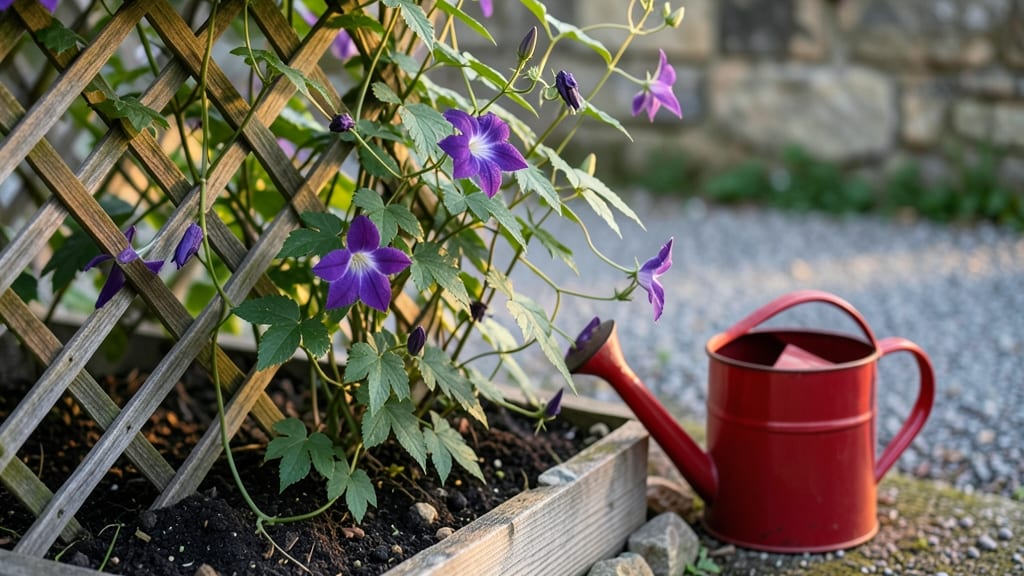
Watering clematis plants 🌸 the right way means keeping their roots consistently moist—not soggy—while avoiding the pitfalls of drying out their thirsty vines.
Struggling to keep your clematis thriving? The secret isn’t just how often you water—it’s how you balance moisture for deep roots and vibrant blooms without drowning them. Master these soil moisture techniques to transform your clematis from struggling to showstopping.
Most gardeners overthink the schedule, but clematis actually hate shallow puddles. Their roots stretch deep, so deep watering—not frequent light sprinkles—is the game-changer for lush, repeat blooms. And yes, even in summer, you can overdo it.
Here’s what you’ll learn: the exact watering rhythm by season, how to spot overwatering before it’s too late, and the mulching trick that cuts your effort in half while keeping those vines blooming like crazy.
How often to water clematis for maximum blooms
Clematis vines thrive on consistent moisture but despise soggy roots—balancing these needs is key to those showstopping blooms you adore. Unlike drought-tolerant succulents, clematis roots need deep hydration to reach their full height, while their top growth demands steady water supply without drowning.
The trick? Mimic natural rainfall patterns with targeted watering that prioritizes root zones over surface sprinkles.
Your clematis’s watering needs shift dramatically with seasons and age. A first-year vine (3–5 ft tall) drinks differently than a mature plant (10+ ft) with established roots. Summer heat demands daily deep watering, while winter dormancy requires minimal moisture.
Ignore these shifts, and you’ll either watch your blooms wilt from thirst or rot from overwatering. Let’s break down the science-backed schedule to keep your vines blooming like clockwork.
🌸
Spring is your clematis’s growth explosion season—roots spread aggressively while buds form for summer blooms. Water every 3–4 days in the morning, aiming for 6–8 inches deep to encourage root expansion. Use a soaker hose or drip irrigation to avoid wetting foliage, which reduces fungal risks like powdery mildew.
For young plants (1–2 years old), monitor soil moisture daily by sticking your finger 2 inches deep—if it’s dry, water immediately.
Summer heat turns clematis into thirsty giants. Mature vines (3+ years) need daily deep watering in the early morning to prevent afternoon wilting.
Aim for 8–12 inches deep—this mimics natural rainfall and forces roots to grow downward for stability. Mulch heavily (3–4 inches of organic matter) to retain moisture and keep roots cool. Watch for drooping leaves or brown edges, which signal underwatering, or yellowing stems, a sign of overwatering.
Fall slows growth as clematis prepares for dormancy. Reduce watering to every 5–7 days and shallow it to 4–6 inches deep. This helps roots harden off before winter. Weak stems or yellowing leaves mean you’re overwatering—adjust immediately.
For mature plants, this is also the time to prune dead foliage while leaving healthy stems for winter protection.
Winter care is minimal but critical. Water bi-weekly only if your region sees no snow cover (snow insulates roots naturally). Keep watering shallow (2–3 inches deep) to prevent rot. Mushy stems or white mold on the soil surface are red flags—reduce watering and improve drainage immediately.
Young plants need slightly more attention, but even they’ll tolerate brief dry spells better than soggy conditions.
Your clematis’s age and size dictate watering precision. A first-year vine (3–5 ft) has limited root reach, so water every 2–3 days in summer, while a mature plant (10+ ft) can handle every 4–5 days once established.
Always water at the base of the vine, not the leaves, to avoid fungal diseases. For container-grown
Deep watering techniques to prevent root rot in clematis
Clematis vines thrive when their roots receive consistent moisture, but overwatering can suffocate them and lead to root rot. The key is deep watering—encouraging roots to grow downward where they can access nutrients and moisture naturally.
Unlike shallow watering, which keeps roots near the surface and prone to drying out or drowning, deep watering mimics natural rainfall patterns and strengthens your clematis' resilience.
To achieve this, focus on three core techniques: watering depth, soil aeration, and mulching. Each plays a critical role in maintaining the ideal moisture balance—keeping the soil damp but never soggy.
For example, a 2-inch-deep watering once every 3-5 days in summer is far more effective than daily light sprinkles. Let’s break down the exact steps to implement this method successfully.
One common mistake is assuming clematis need constant moisture like tropical plants. In reality, their deep roots are designed to withstand brief dry spells. By focusing on deep watering and soil health, you’ll create an environment where roots thrive rather than suffocate.
Start with these techniques, and you’ll see stronger vines and more abundant blooms by next season.
For extra protection, consider adding perlite or sand to heavy clay soils to improve drainage. This simple adjustment can make all the difference for clematis struggling in compacted ground. With patience and consistency, your vines will reward you with vibrant, long-lasting flowers year after year.
🌱