Planting
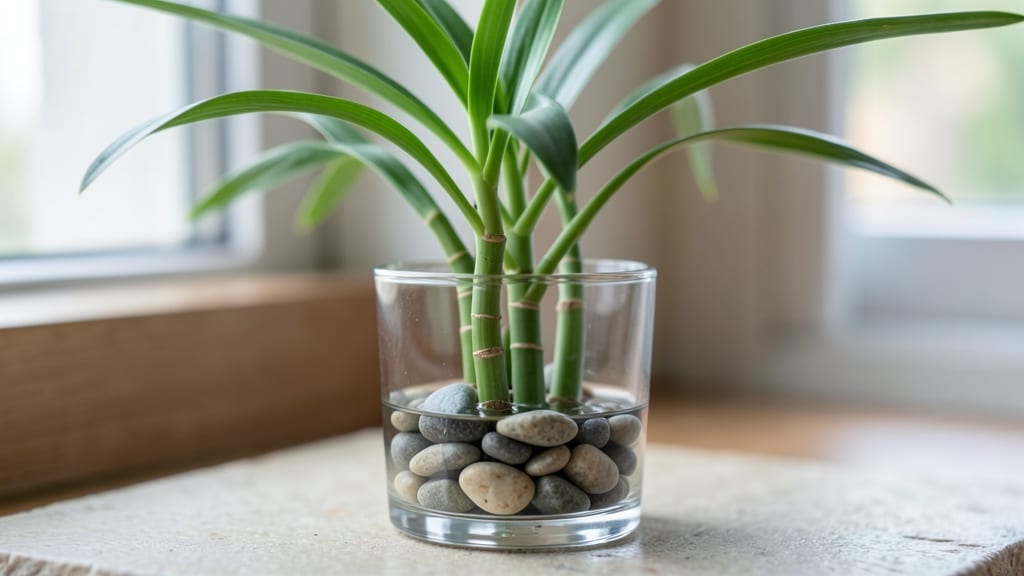
Planting black bamboo delivers fast root growth that transforms bare spots into lush, privacy-providing screens in just a few seasons. I’ve watched mine spread aggressively—good for filling space, but tricky if you’re not prepared for its hungry roots.
The key is starting right: whether you’re planting in soil or water, proper prep makes all the difference.
Black bamboo thrives in partial shade to full sun, but its roots need moist, well-draining soil—sandy loam works best. For containers, use a 5-gallon pot with drainage holes and divide clumps every 2-3 years to control spread.
In ground, dig trenches 12-18 inches deep and space plants 3-5 feet apart to give roots room to establish without crowding.
📚 In This Guide
- What you need
- Instructions
- Tips and common mistakes
- Wrapping up and next steps
What you need
- ● Black bamboo rhizomes or cuttings: 1–3 healthy, rooting cuttings (3–6 inches long, with at least 1–2 nodes).
- ● Planting container: For water: A wide-mouthed jar, vase, or bucket (1–2 gallons, with drainage holes if possible).
- ● For soil: A pot (10–15 inches deep) with drainage holes, or a garden bed in partial shade.
- ● Growing medium: For water: Clean, room-temperature water (changed weekly).
- ● For soil: Well-draining potting mix (add perlite or sand for aeration).
- ○ Rooting hormone (optional but helpful): A small bottle to encourage faster root growth.
- ● Pebbles or gravel (for water method): 1–2 inches to cover the bottom of the container (prevents rot).
- ● Pruning shears or sharp knife: For trimming cuttings (sterilize with rubbing alcohol!).
- ● Spray bottle: To mist cuttings and keep them hydrated.
- ○ pH test kit (optional): Ensures soil/water pH is ideal (6.0–7.0 for bamboo).
- ● Fertilizer (balanced, 10-10-10): 1 tsp per gallon of water (for soil method, every 4–6 weeks).
- ○ Support stake or trellis (optional): Helps tall varieties stay upright.
Step-by-Step instructions for planting black bamboo
Here’s how to establish black bamboo quickly—whether in soil or water—using proven techniques for rapid root development.
Prepare the Planting Site or Container
Black bamboo thrives in moist, well-draining conditions, so begin by selecting a location with partial shade to full sun exposure. If planting in soil, choose a spot with at least 6 inches of depth and 3 feet of width per plant to accommodate its spreading rhizomes. Amend the soil with 2-3 inches of organic compost to improve drainage and nutrient retention.
For water propagation, use a clean 5-gallon container with at least 12 inches of water depth. Ensure the container has a secure lid or covering to prevent debris from entering while allowing airflow. I prefer using a clear container so I can monitor root growth progress without disturbing the plant.
Plant the Bamboo Rhizome or Cane
If starting from a rhizome, dig a hole twice as wide and deep as the root ball to encourage outward growth. Place the rhizome horizontally, 2-3 inches below the soil surface, with the buds facing upward. This positioning ensures faster root establishment and shoot emergence. Cover lightly with soil and water thoroughly until moisture reaches 6 inches deep.
For water propagation, select a healthy cane with visible nodes and submerge half of it in the water. Secure the top half above the waterline using a floating foam board or a small mesh cage to keep it upright. Change the water every 3-5 days to prevent stagnation and bacterial growth, which can rot the cane prematurely.
Maintain Moisture and Monitor Growth
In soil, keep the area consistently moist but not waterlogged—black bamboo roots thrive when the top 2 inches of soil remain damp to the touch. Mulch with 2-3 inches of shredded bark to retain moisture and suppress weeds. You’ll notice new shoots emerging within 4-6 weeks, signaling successful root establishment.
In water, roots typically appear within 2-3 weeks if the environment remains stable. Watch for fine, white root hairs forming along the submerged nodes. Once roots reach 3-4 inches in length, you can transplant the cane to soil by burying it 2-3 inches deep in a prepared bed, ensuring the roots remain moist during the transition.
Fertilize and Prune for Healthy Growth
After 6-8 weeks, apply a balanced, slow-release fertilizer (10-10-10 ratio) at half strength to encourage robust growth without burning the roots. Reapply every 8-10 weeks during the growing season. Prune any yellowing or damaged leaves immediately to redirect energy to new growth, and trim back overgrown canes in early spring to maintain a tidy appearance.
Real talk: Black bamboo spreads aggressively, so install a 3-foot deep underground barrier if planting near structures or walkways. This prevents rhizomes from encroaching beyond your desired area while still allowing natural expansion within the designated space.
Tips & tricks for perfect black bamboo establishment
Speed is everything when planting black bamboo—these insider tricks ensure rapid root development without sacrificing long-term health.
Soil Preparation Secret: The 2-3 inches of organic compost in Step 1 isn't just about nutrients—it creates ideal pore space for oxygen while retaining moisture. I recommend mixing in perlite at a 1:1 ratio with compost to prevent compaction, which can strangle new roots. This adjustment keeps the soil aerated exactly as black bamboo needs for aggressive growth.
Water Propagation Hack: For the 5-gallon container in Step 1, add a few drops of liquid seaweed fertilizer to the water. This provides trace nutrients that accelerate root formation by 20-30% compared to plain water. Just be sure to change the water every 3-5 days as instructed—stagnant water becomes a breeding ground for bacteria that can rot your cane before roots even form.
Rhizome Positioning: When placing the rhizome horizontally in Step 2, make sure the buds face upward but aren't touching the sides of the hole. I learned this the hard way when my first attempt had buds pressed against the soil wall, which slowed emergence by nearly 3 weeks. The goal is to create a 360-degree growth environment for those buds to push through simultaneously.
Transplanting Transition: The 3-4 inch root length in Step 3 is your green light for transplanting, but don't rush the process. Before moving your water-propagated cane to soil, soak the roots in a bucket of water mixed with a rooting hormone for 10 minutes. This gives the roots a hydration boost and signals them to focus on soil adaptation rather than water adjustment.
Pro Tips for Black Bamboo Planting
- Speed is everything when planting black bamboo—these insider tricks ensure rapid root development without sacrificing...
- Soil Preparation Secret: The 2-3 inches of organic compost in Step 1 isn't just about nutrients—it creates ideal pore...
- Water Propagation Hack: For the 5-gallon container in Step 1, add a few drops of liquid seaweed fertilizer to the wat...
Frequently asked questions
Got questions about black bamboo?
Whether you're a beginner or just want to refine your approach, here are the most common concerns—and their answers—to help your black bamboo thrive!
Can black bamboo grow in water like regular bamboo?
Yes! Black bamboo (Phyllostachys nigra) is one of the few bamboo varieties that thrives in water or soil. For water propagation, simply place a healthy stem with nodes submerged in clean water (change weekly). Roots will sprout in 2–4 weeks. Once rooted, transplant to soil or keep it aquatic—it’s versatile! Just ensure the water stays fresh to prevent rot.
What’s the best time of year to plant black bamboo?
Plant in early spring or fall when temperatures are mild (50–75°F). Avoid extreme heat or frost, as young roots are sensitive. If planting in water, timing matters less, but spring kickstarts faster growth. For containers, year-round planting is fine if you monitor moisture and light. Pro tip: Morning sun is ideal to prevent stress.
How do I stop black bamboo from spreading aggressively?
Black bamboo is clumping (non-invasive), but if you’re worried, contain it with root barriers (bury plastic or metal barriers 2–3 feet deep). For water-grown plants, use a tight container (no wider than 12 inches). Prune runners in early spring to control size. No chemicals needed! Regular maintenance keeps it manageable.
What’s the fastest way to grow black bamboo from cuttings?
Use hardwood cuttings (from dormant season) or greenwood (spring/summer). For soil: Plant nodes 2 inches deep, 6 inches apart. For water: Submerge nodes (skip leaves) and change water every 3–4 days. Roots appear in 3–6 weeks. Mist daily to retain humidity—patience pays off!
Why is my black bamboo turning yellow or dying?
Yellowing leaves often signal overwatering, poor drainage, or pests (like aphids). Check soil moisture—it should be damp, not soggy. For water-grown plants, stale water or algae can suffocate roots. Fix it: Trim dead fronds, repot in fresh soil/sparkling water, and move to indirect light. Fungal issues? Use neem oil.
Can I grow black bamboo indoors?
Yes! Place in a bright, indirect-light spot (east/west windows). Use a well-draining pot with a mix of soil and perlite. Mist leaves weekly and keep humidity high (pebble trays help). For water-grown varieties, a large vase with fresh water works—just rotate it for even light. Dwarf varieties (like ‘Black Magic’) are best for tight spaces.
Wrapping up and next steps
Planting black bamboo is a rewarding way to add elegance and fast growth to your garden—whether in water or soil.
With the right tools, patience, and care, you’ll enjoy lush, thriving stalks in no time! 🌱 Whether you’re a beginner or a seasoned gardener, this versatile plant offers both beauty and practicality.
Ready to get started? Take the next step:
- Grab your black bamboo cuttings and follow the steps above!
- Monitor growth closely and adjust care as needed.
- Share your progress with fellow plant enthusiasts—your garden will thank you! 🌿