
Pruning
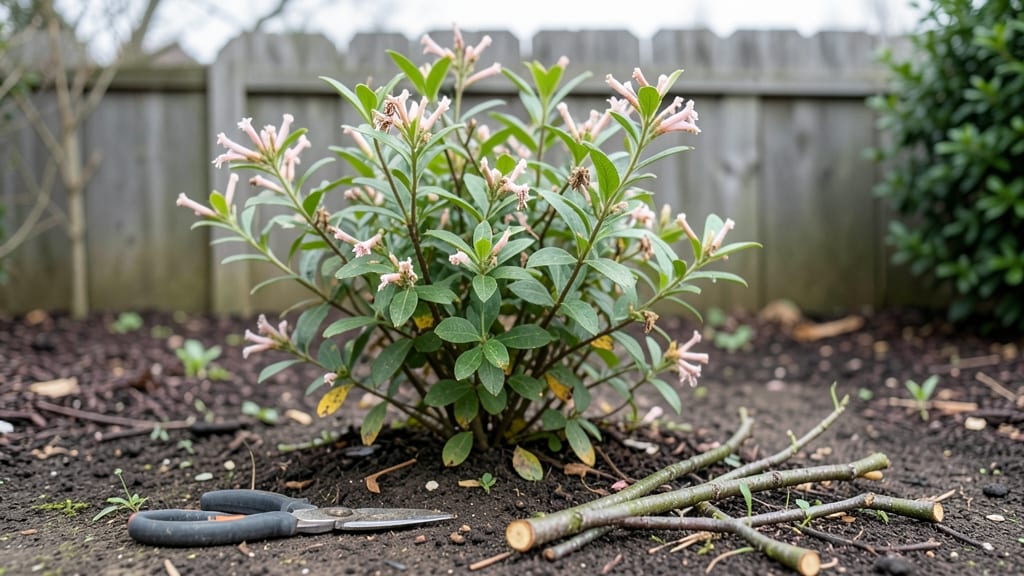
Abelia pruning is the secret to those year-round blooms that make neighbors stop and stare. ✨ I’ve learned the hard way—skipping a seasonal trim means fewer flowers and leggy growth that ruins the plant’s natural shape.
The key isn’t just when you cut, but how you shape the plant to encourage fresh growth while keeping it healthy.
You’ll need just three tools: sharp pruning shears, gloves, and a bucket for clippings. The real work happens in four cuts a year—light trims after each season to keep the plant tidy and blooming.
Most people mess up by pruning too late in fall or too hard in spring, which stunts new growth. I’ll show you the exact timing and cuts that work every time.
After pruning, your abelia will reward you with dense foliage and flowers from spring through frost. The secret is cutting back just enough to encourage new shoots without overdoing it. You’ll see the difference in just a few weeks—thicker branches, brighter leaves, and blooms that last longer than store-bought flowers.
Works for both shrub and vine varieties, and even fixes overgrown plants. Let’s get those shears ready—your abelia’s best look starts with the right cuts.
📚 In This Guide
- What you need
- Instructions
- Tips and common mistakes
- Wrapping up and next steps
What you need
- ● Sharp bypass pruners – Must be clean and sharp (1 pair, 7–9" blades for thick stems).
- ● Hand pruners or loppers – For thicker branches (1–2, 6–8" blades).
- ● Garden shears or hedge shears – For shaping (1 pair, 6–12" blades).
- ● Disposable gloves – Nitrile or leather (1 pair) to protect hands from thorns and sap.
- ● Cleaning solution – Rubbing alcohol (70%+) or bleach-water mix (1:9 ratio) to sterilize tools.
- ● Pruning saw – For very thick stems (1, 8–10" blade).
- ● Extension pole pruners – If your Abelia is tall (1 pair, 3–5 ft reach).
- ● Marking spray or chalk – To highlight cuts before pruning.
- ○ Compost bin or bag – For removing pruned debris (optional but eco-friendly!).
- ● Check the weather forecast – Prune on a dry, overcast day to avoid stressing the plant.
- ● Gather pruning references – Sketch or photo your Abelia’s shape before cutting.
- ● Have a first-aid kit – Just in case (thorns + pruning = ouch potential!).
Instructions for pruning abelia to keep it blooming year-round
Pruning abelia isn’t just about shaping—it’s about encouraging those stunning flowers to keep coming back. Here’s how to do it right, season by season.
✂️ Step 1: Light Pruning After Spring Blooms (Late April–May)
As soon as your abelia finishes blooming in spring, grab your pruners and trim back any dead or crossing branches. I like to cut just above a leaf node where new growth can emerge—this keeps the plant dense and healthy. Remove no more than 20-25% of the plant’s total growth at this stage, or you’ll risk weakening it for summer blooms.
Watch for any leggy stems that stretch too far from the center. These branches won’t produce as many flowers, so pruning them now redirects energy to stronger growth. After cutting, wipe your pruners with rubbing alcohol to prevent spreading disease between cuts.
🌿 Step 2: Summer Pruning for Shape and Airflow (June–July)
In mid-summer, focus on shaping the abelia while it’s actively growing. Pinch back the tips of new growth to encourage bushier, fuller branches. I usually trim about 1/3 of the new shoots to prevent the plant from becoming too top-heavy or sparse. This is also the time to remove any branches that are growing inward or rubbing against others—these will compete for nutrients and reduce flower production.
If your abelia looks a little ragged, a light trim now will keep it looking tidy without sacrificing next year’s blooms. Avoid heavy pruning in summer, though—it can stress the plant before fall. Instead, just tidy up and let it focus on preparing for winter.
⏰ Step 3: Late-Summer Renewal Pruning (August–September)
By late summer, your abelia will have put on new growth. This is the perfect time for a renewal pruning—cutting back about 1/3 of the oldest wood to make room for fresher, more vigorous branches. Look for branches that are thin, woody, or no longer producing flowers. These are the ones to remove, as they’re no longer contributing to the plant’s health or beauty.
I like to step back and look at the plant from all sides before I start cutting. This helps me see which branches need thinning to improve airflow and light penetration. A well-pruned abelia in late summer will reward you with even more blooms next spring.
✂️ Step 4: Minimal Winter Pruning (Late Winter–Early Spring)
In late winter, just before new growth starts, do a quick check for any dead, damaged, or diseased branches. Trim these out immediately, but avoid heavy pruning—your abelia is still dormant and needs all its energy to wake up. A light trim now will help it focus on spring growth rather than repairing damaged areas.
This is also the time to clean up any debris around the base of the plant. Abelia can be susceptible to fungal issues if it’s sitting in wet leaves or mulch. A little tidying now keeps the plant healthy and ready to burst into bloom when spring arrives.
Tips & tricks for pruning abelia like a pro
Mastering abelia pruning takes practice, but these seasoned strategies will help you keep your plant thriving—and blooming—all year long.
Seasonal Timing is Everything: The four-season schedule in the instructions works because it aligns with abelia's natural growth cycles. In Step 1, that late April-May timing is crucial—waiting too long after blooming can reduce next year's flowers. I've learned the hard way that cutting too aggressively in summer (as mentioned in Step 2) can stress the plant before winter. The key is working with the plant's rhythm, not against it.
Pruning Technique Matters More Than You Think: When you're trimming in Step 3 for renewal pruning, always cut just above a leaf node or outward-facing bud. This simple technique ensures new growth emerges in the right direction. I've seen abelia plants develop awkward growth patterns when people cut too close to the trunk or at awkward angles. Also, make your cuts at a slight angle to prevent water from pooling on the wound.
Tool Maintenance is Critical: The instructions mention wiping pruners with rubbing alcohol between cuts, and I can't emphasize this enough. I keep a small bottle of 70% isopropyl alcohol in my gardening toolkit specifically for this purpose. Clean tools prevent spreading bacterial and fungal diseases that can weaken your abelia. For Step 1 and Step 4, when you're dealing with potential diseased branches, this step is especially important.
Visual Assessment is Your Best Guide: Before making any cuts in Step 3, take a step back and look at your abelia from all sides. This helps you see the plant's natural shape and identify branches that are growing inward or competing for space. I like to use the "thirds rule"—if a branch is taking up more than 1/3 of the plant's space, it's likely a candidate for removal. This approach keeps your abelia looking full and balanced without over-pruning.
Pro Tips for Abelia Plant Pruning
- Mastering abelia pruning takes practice, but these seasoned strategies will help you keep your plant thriving—and blooming—all year long.
- Seasonal Timing is Everything: The four-season schedule in the instructions works because it aligns with abelia's natural growth cycles.
- Pruning Technique Matters More Than You Think: When you're trimming in Step 3 for renewal pruning, always cut just above a leaf node or outward-facing bud.
Frequently asked questions
Got questions about keeping your Abelia looking its best? Here are answers to the most common ones—so you can prune with confidence and enjoy those year-round blooms!
When is the best time to prune Abelia for maximum blooms?
The ideal times are late winter/early spring (before new growth) and right after flowering (summer). Light trims can also happen in fall to shape the plant. Avoid heavy pruning in late summer—it may cut off next year’s flowers!
How much can I trim Abelia without harming it?
You can safely remove up to 1/3 of the plant’s growth in a single session. For shaping, focus on dead, crossing, or overcrowded branches. Avoid over-pruning—Abelia is resilient but thrives with moderate cuts, not drastic ones. Think "light touch, frequent tweaks"!
What should I do if my Abelia stops blooming after pruning?
If blooms disappear, you may have pruned too late in the season (after summer). Next time, trim just after flowering and avoid heavy cuts in fall/winter. Also, check for nutrient deficiencies (like phosphorus) or overwatering, which can stress the plant. A balanced fertilizer in spring can help!
Can I prune Abelia in winter, or will it die back?
Abelia is semi-evergreen and can handle light winter pruning, but avoid heavy cuts. If your plant looks brown and woody, it’s dormant—wait until early spring (when new growth appears) to prune. Cold snaps can damage tender new shoots, so protect it with mulch if temps drop below 10°F.
What’s an alternative if I miss the pruning window?
No worries! Abelia is forgiving. If you skip a season, focus on light shaping in spring and removing deadwood. Avoid drastic changes—gradual trims over 2-3 years will restore shape without stressing the plant. Think of it as a "catch-up" pruning plan!
Why are my Abelia leaves turning yellow after pruning?
Yellow leaves usually mean over-pruning or root stress. If you cut too much, the plant diverts energy to recovery instead of leaves. Water deeply and fertilize with low-nitrogen food to help. If the issue persists, check for pests (like spider mites) or fungus (like powdery mildew).
Wrapping up and next steps
Mastering Abelia plant pruning is your ticket to vibrant, year-round blooms and a lush, healthy shrub! By following these four seasonal trims—light shaping in early spring, post-bloom cleanup, late-summer shaping, and winter pruning—you’ll encourage strong growth and stunning flowers.
Remember, patience and consistency are key, so don’t rush the process.
Now that you’re armed with the know-how, grab those shears and get pruning! 🌿✂️ Start with your first trim this season and watch your Abelia thrive. For extra inspiration, check out our pruning timeline or share your progress with fellow gardeners—happy gardening!