
Pruning
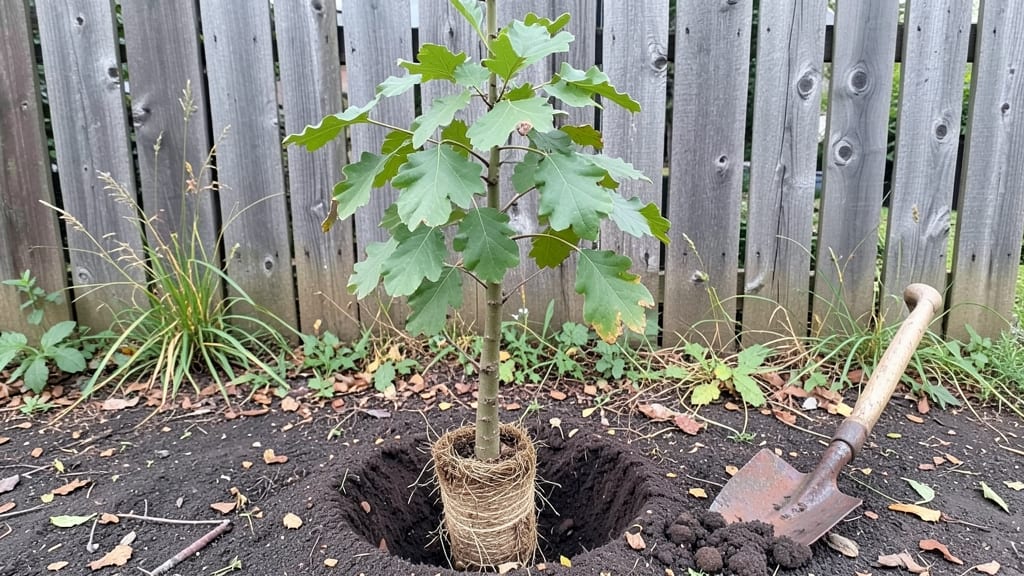
Planting trees in London means choosing the right species and timing to beat the city’s challenges—compact soil, air pollution, and tight spaces. 🌱 I’ve planted everything from London plane trees to silver birches, and the difference between a thriving urban tree and one that struggles comes down to preparation, placement, and knowing when to dig.
The best time to plant in London is late autumn through early spring, when the ground isn’t frozen and the trees aren’t in active growth. Native species like field maple or hawthorn handle the city’s alkaline soil better than non-locals, while urban-friendly varieties like hornbeam tolerate pollution and pruning.
Start with a hole twice as wide as the root ball, loosen the roots gently, and mix in compost to help them establish faster.
After planting, water deeply once a week for the first year—more in summer—to encourage deep root growth. Mulch with bark chips to lock in moisture and keep weeds at bay.
Within a few seasons, you’ll see new shoots, and by year three, your tree will be strong enough to handle London’s urban stresses. The key is patience: urban trees grow slower but last decades.
Check local council rules before planting—some areas require permits for large trees—and avoid planting too close to buildings or pavement to prevent root damage.
With the right species and care, even a small London garden can support a healthy, long-lived tree that cleans the air and adds value to your space.
📚 In This Guide
- What you need
- Instructions
- Tips and common mistakes
- Wrapping up and next steps
What you need
- ● Young tree: Choose a species native to London (e.g., London Plane, Silver Birch, or Hawthorn). Opt for a 1-2 gallon container-grown sapling (1.5–3 ft tall) for easier handling.
- ● High-quality soil: 1 cubic yard (27 cubic ft) of native topsoil or a mix of 50% topsoil + 50% compost to improve drainage.
- ● Organic mulch: 2–3 inches of wood chips or shredded bark (avoid dyed or treated mulch). Cover an area 3 ft in diameter around the tree base.
- ● Tree support (if needed): Tree stake: 1 galvanized metal or wooden stake (1.5–2 inches wide, 4–5 ft tall) for wind-prone areas.
- ● Tree tie: 1–2 flexible fabric or rubber ties (avoid wire—it can damage bark).
- ● Watering tools: Garden hose with nozzle (for deep watering).
- ● Watering can (5-gallon capacity) for smaller trees.
- ● Shovel: Round-point or spade shovel for digging the planting hole.
- ● Garden gloves: Durable, waterproof gloves (size medium/large).
- ● Pruning shears: Bypass pruners (sharp, 6–8 inch blades) for trimming dead branches.
- ● Measuring tape or ruler (for spacing and hole depth).
- ● Wheelbarrow or bucket (for mixing soil and transporting materials).
- ○ Optional: Soil pH tester kit (to check acidity/alkalinity; London soil is often neutral to slightly alkaline).
- ● Tree guard or protective barrier (to deter pests like rabbits or deer).
- ● Post-hole digger (if staking is required in hard soil).
- ● Permits: Check with your local council—some areas require approval for tree planting, especially near roads or footpaths.
- ● Location scouting: Pick a spot with: At least 6–8 feet of clearance from buildings, sidewalks, or other trees.
- ● Well-draining soil (avoid low-lying areas prone to waterlogging).
- ● Access to sunlight matching the tree’s needs (e.g., London Plane thrives in full sun).
- ● Seasonal timing: Plant in late fall (October–November) or early spring (March–April) for optimal root establishment.
- ● Weather prep: Schedule planting on a cool, cloudy day to reduce transplant shock.
How to plant trees in London’s climate with proper pruning timelines
London’s weather demands smart timing—plant and prune at the right moments for roots to establish strong and trees to thrive.
🌱 Step 1: Choose the Right Season for Planting
Autumn is the gold standard for London tree planting. Between October and November, soil stays warm enough for roots to grow but cool enough to prevent drought stress. Spring planting works too, but only if you can water deeply until roots establish by summer. Avoid planting in winter—frozen ground halts root development completely.
I always check the soil temperature first. If it’s above 50°F but below 60°F, conditions are ideal. Dig a small test hole nearby—if the soil crumbles easily when dry, it’s ready. For container-grown trees, you can plant year-round, but autumn still gives them the best head start.
🪴 Step 2: Prepare the Planting Hole and Soil
Dig a hole twice as wide as the root ball but no deeper. London’s clay soil drains poorly, so loosen the sides of the hole with a fork to encourage root spread. Mix the excavated soil with 20% compost—this improves drainage and provides nutrients without overwhelming new roots.
Place the tree in the hole so the top of the root ball sits 1-2 inches above ground level. This prevents water from pooling around the base, which causes rot. Backfill with the amended soil, pressing gently to remove air pockets. A slight mound around the base helps channel water away from the trunk.
☀️ Step 3: Water Immediately and Mulch Correctly
Water the tree deeply right after planting—10-15 gallons for mature trees, less for smaller specimens. Check the soil 2 inches down; it should feel damp but not soggy. Mulch with 2-3 inches of wood chips, keeping it 6 inches away from the trunk to prevent rot.
Mulch spreads evenly in a donut shape, not a pile. This mimics natural forest conditions and regulates soil temperature. In London’s damp climate, mulch also helps prevent soil compaction from heavy rainfall. Water again in 7-10 days to encourage root growth into the surrounding soil.
✂️ Step 4: Prune for Structure and Health
Prune newly planted trees only to remove dead or damaged branches. Wait until late winter or early spring for structural pruning—this aligns with the tree’s natural growth cycle. London’s windy conditions mean you’ll often find broken branches; cut these back to the nearest healthy collar.
Never remove more than 25% of the tree’s foliage in one session. Thin out crowded branches to improve airflow, which reduces fungal diseases common in London’s humid summers. Seal larger cuts with tree wound paint only if the trunk is 3 inches or thicker—smaller wounds heal better when left exposed.
⏰ Step 5: Monitor and Adjust Through the First Year
Check the tree’s water needs monthly. London’s unpredictable rain means you can’t rely on natural moisture—stick your finger 2 inches into the soil. If it’s dry, water slowly until it runs out the drainage holes. Stake only if necessary; most London trees establish better without support.
Watch for signs of stress: yellowing leaves may mean overwatering, while crispy edges signal drought. Adjust your care routine based on what you see. By the end of the first year, your tree should have a strong root system ready to handle London’s challenges.
Tips & tricks for perfect tree planting in London’s climate
London’s unique weather means trees need special care—here’s how to give yours the best possible start.
Seasonal Timing Secret: The October-November window is critical because soil stays warm enough for roots to grow while cool temperatures reduce water loss. If you plant in spring, commit to deep watering every week until summer—roots need that consistent moisture to establish. I’ve seen trees planted in winter struggle with frozen soil halting all growth, so avoid that season completely unless you’re planting container-grown trees.
Soil Temperature Check: Before planting, test your soil temperature by digging a small hole and checking if it’s between 50°F and 60°F. This range is perfect for root development. If your soil is cooler than 50°F, wait a few days—cold soil can shock new roots. For container-grown trees, you can plant year-round since their roots are already established, but autumn still gives them the best chance to settle in before winter.
Planting Depth Matters: Position the tree so the top of the root ball sits 1-2 inches above ground level—this prevents water from pooling around the base, which can cause rot. I’ve made the mistake of planting too deep, and the tree struggled to establish properly. After planting, create a slight mound around the base to help channel water away from the trunk, especially important in London’s damp climate.
Mulching Like a Pro: Spread mulch in a donut shape—2-3 inches thick but keeping it 6 inches away from the trunk. This shape mimics natural forest conditions and helps regulate soil temperature. In London’s humid summers, proper mulching prevents soil compaction from heavy rainfall. Remember to water again in 7-10 days to encourage roots to grow into the surrounding soil rather than staying concentrated in the planting hole.
Pro Tips for Tree Planting London
- London’s unique weather means trees need special care—here’s how to give yours the best possible start.
- Seasonal Timing Secret: The October-November window is critical because soil stays warm enough for roots to grow while cool temperatures reduce water loss.
- Soil Temperature Check: Before planting, test your soil temperature by digging a small hole and checking if it’s between 50°F and 60°F.
Frequently asked questions
Got questions about tree planting in London?
Here are some common ones—and their answers—to help you get started on the right foot.
When is the best time to plant trees in London?
The ideal window is late autumn to early spring (November to March). This gives roots time to establish before summer heat and drought stress. Avoid planting in extreme cold or during frost, as young roots are vulnerable.
How much water does a newly planted tree need?
Water deeply once a week for the first year, providing 10-15 gallons per tree. Use a soaker hose or mulch (3-4 inches thick) to retain moisture. Never let the soil dry out completely—London’s clay soil can be tricky!
Can I plant a tree in a small urban garden or courtyard?
Opt for dwarf or columnar varieties (e.g., Japanese maple or columnar apple) or container-grown trees in large pots. Just ensure 6+ feet of root space and check local Building Regulations if planting near structures.
What if my tree isn’t growing after planting?
Check for poor drainage (London’s soil can be waterlogged), root damage during transplanting, or pests. Prune dead branches, aerate compacted soil, and fertilize lightly with compost or organic matter. If issues persist, consult a local arborist.
Are there free or subsidized tree-planting programs in London?
Yes! Organizations like the London Tree Officers Association and The Tree Council offer free saplings and community planting events. Check Tree Trust or London Borough websites for local initiatives.
Wrapping up and next steps
Planting trees in London isn’t just about beautifying the city—it’s a powerful act for the environment, and timing your pruning makes all the difference! Whether you’re a seasoned gardener or just starting, understanding the best seasons and techniques ensures your trees thrive year after year.
With the right tools, knowledge, and a little patience, you can contribute to a greener, healthier London—one branch at a time.
Ready to take the next step? Mark your calendar for the upcoming pruning season and gather your supplies. Then, roll up your sleeves and plant with purpose—your trees (and the planet) will thank you! 🌱💚