
Pruning
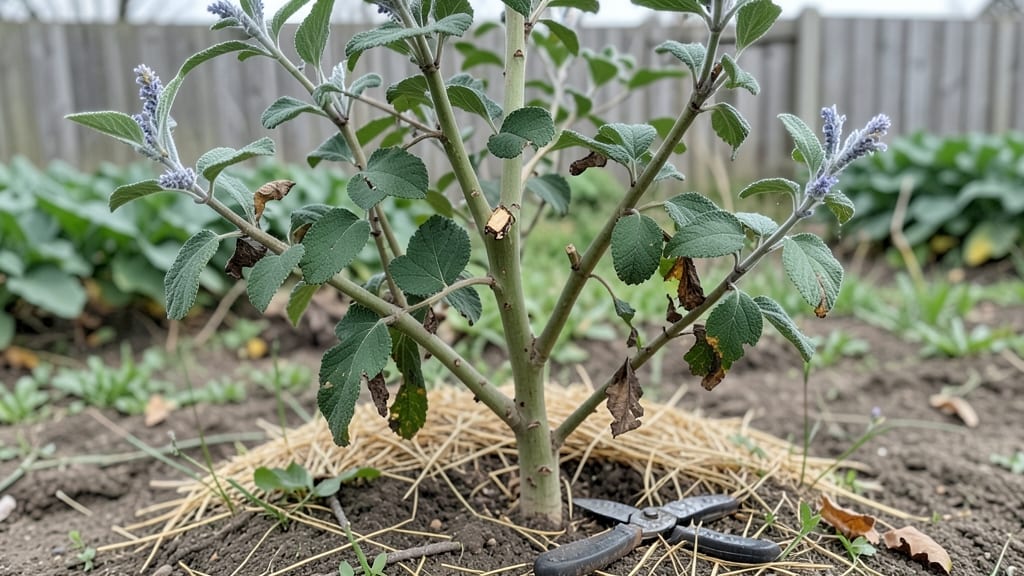
Pruning vitex plants in late winter or early spring unlocks their full potential—thicker foliage, more blooms, and a shape that stops looking like a tangled mess. 🌿 I’ve watched my vitex go from scraggly to showstopping after just one proper trim, and it all comes down to timing, technique, and a little patience.
The key isn’t cutting back hard—it’s guiding growth where you want it, so the plant puts energy into new shoots instead of struggling to fill gaps.
You’ll need sharp pruners (clean cuts prevent disease), gloves for thorn protection, and a clear view of the plant’s structure. Start by removing dead or crossing branches—they’re the easiest to spot and the first to go.
Then, look for stems growing inward or upward; these are the culprits that block light and air. A 25-30% reduction in overall size is ideal for first-timers, but don’t stress if you go lighter. The goal is to open up the center, not turn your vitex into a stub.
After pruning, your plant will reward you with fresh, vibrant green growth within weeks, followed by clusters of fragrant purple blooms by summer. The secret? Pruning encourages the plant to focus on lateral branches, which means more flowers and a fuller shape.
Just avoid heavy cuts in fall—the new growth won’t harden off before winter, and you’ll risk damage. Think of it like giving your vitex a haircut: less is more, and timing is everything.
This method works for both young vitex and mature bushes, though older plants may need gradual trimming over a few seasons. If you’re in a warmer climate, a light trim in early fall can also help shape the plant before winter.
The payoff? A vitex that’s not just surviving, but thriving—and stealing the show in your landscape.
📚 In This Guide
- What you need
- Instructions
- Tips and common mistakes
- Wrapping up and next steps
What you need
- ● Pruning shears or secateurs – Choose bypass-style shears (sharp, clean blades) to avoid crushing stems. Size: 6–8 inches for medium branches.
- ● Loppers – For thicker branches (½ inch or larger). Size: 18–24 inches for reach and leverage.
- ● Garden gloves – Heavy-duty, cut-resistant gloves (e.g., mechanized or leather) to protect hands from thorns and sharp edges.
- ● Disinfectant (70% isopropyl alcohol or bleach solution) – 1 part bleach to 9 parts water to sterilize tools between cuts and prevent disease.
- ● Pruning saw – For branches thicker than 2 inches. Type: Curved or folding saw for precision.
- ● Rake or broom – To clear fallen debris and keep the workspace tidy.
- ○ Water spray bottle – Optional but helpful for dusting off tools and keeping cuts moist post-prune.
- ● Pruning sealant – For large cuts (1+ inch diameter) to prevent sap oozing or pest entry.
- ● Ladder or step stool – If your Vitex is tall (6+ feet), for safe access to upper branches.
- ● Marking twine or flags – To tag branches for removal if planning a structured pruning design.
- ● Compost bin or bag – To collect pruned branches for mulch or disposal.
Step-by-Step guide to pruning your vitex plant
Keep your vitex thriving with these simple seasonal cuts—no green thumb required.
🌿 Step 1: Prune After Spring Flush
Wait until after the first flush of new growth in early spring—usually late March to April—before you touch your vitex. This timing ensures you don’t cut back fresh buds that could produce flowers. Look for bright green leaves emerging from the base; that’s your cue.
Start by removing dead, diseased, or crossing branches first. These are easy to spot—they’re brown, brittle, or growing into the center of the plant. Use clean, sharp pruners (sterilized with rubbing alcohol) to make clean cuts just above a leaf node or outward-facing bud. Never leave stubs; they invite rot.
✂️ Step 2: Shape for Fullness in Late Spring
About 6 weeks after the first prune, take a second pass to encourage bushier growth. Focus on selective thinning—cut back one-third of the oldest stems to the ground. These are the thicker, woody branches that no longer produce vibrant flowers. You’ll see them as the larger, less flexible stems.
For the remaining branches, trim back by one-third to encourage new shoots from lower buds. Always cut at a 45-degree angle just above a leaf node facing outward. This angle helps water run off and prevents rot. Step back often to check your shape—vitex responds well to a rounded, layered look.
☀️ Step 3: Light Cleanup After Flowering
Once your vitex finishes blooming—usually late summer to early fall—do a final light prune. Remove spent flower clusters by cutting back to the nearest leaf node. This keeps the plant tidy and redirects energy into next year’s growth. Avoid heavy cuts now; you don’t want to stimulate new growth that won’t harden off before winter.
If any branches grew too leggy over the season, trim them back by half to maintain balance. Focus on the outer edges of the plant to keep airflow circulating. Good airflow reduces fungal risks and keeps your vitex looking full and healthy.
⏰ Step 4: Winter Protection (Optional)
In zones 7 and colder, give your vitex a little extra care before winter sets in. After the first hard frost—when leaves turn brown and crisp—cut back all stems by half. This prevents snow and ice from breaking branches. Wait until early winter (December) to do this, as late cuts can stimulate new growth that won’t survive cold snaps.
Mulch the base with 2-3 inches of organic mulch (like shredded leaves or bark) to insulate roots. Avoid piling mulch against the stem—keep it 2 inches away to prevent rot. In warmer zones, skip the heavy prune and just remove dead growth to keep the plant tidy.
Tips & tricks for perfect vitex plant pruning
Between us, pruning vitex is where most gardeners trip up—either too early or too late. Here’s how to avoid those common mistakes and get the bushiest, most vibrant plant possible.
Timing is Everything: In Step 1, those late March to April dates are crucial. If you prune too early, you risk cutting off flower buds before they open. I’ve seen people prune in February and end up with almost no blooms that season. Wait for those bright green leaves to emerge—it’s nature’s perfect cue. And if your spring is unpredictable? Check the leaves, not the calendar.
The One-Third Rule: When you’re shaping in late spring (Step 2), remember that one-third cut is non-negotiable. I learned this the hard way after pruning too aggressively and leaving my vitex looking sad for a whole season. Cutting back one-third of the oldest stems stimulates new growth from the base, while trimming remaining branches by one-third keeps the plant balanced. Think of it like giving your vitex a haircut—you want to take just enough to encourage fullness, not a buzz cut.
Angle Matters: That 45-degree angle in Step 2 isn’t just for looks—it’s practical. Cutting at an angle helps water run off the branch instead of pooling at the cut, which prevents rot. Plus, it gives you a clean surface for new growth. If you’re using dull pruners, you’ll see jagged cuts that can invite disease. Sterilize your tools with rubbing alcohol between cuts, and you’ll avoid introducing pathogens to healthy parts of the plant.
Winter Prep Wisdom: For zones 7 and colder, that December timing in Step 4 is key. Pruning too early can stimulate new growth that won’t survive winter. Wait until after the first hard frost when leaves are crisp and brown. And that 2-inch gap when mulching? It’s not a typo—piling mulch against the stem can suffocate it and cause rot. Think of it like giving your plant a cozy blanket, but not a suffocating one.
Pro Tips for Vitex Plant Pruning
- Between us, pruning vitex is where most gardeners trip up—either too early or too late.
- Timing is Everything: In Step 1, those late March to April dates are crucial.
- The One-Third Rule: When you’re shaping in late spring (Step 2), remember that one-third cut is non-negotiable.
Frequently asked questions
Got questions about keeping your vitex plant thriving with the perfect prune? Here are answers to the most common queries—so you can trim with confidence!
When is the best time to prune vitex for maximum bushiness?
The ideal time to prune vitex is late winter or early spring, just before new growth begins. This encourages dense, bushy foliage. Avoid heavy pruning in fall—it can stimulate tender growth that may not survive winter. Light shaping can happen anytime, but major cuts should wait for dormancy.
How much can I trim back my vitex plant without harming it?
Vitex is hardy and can handle moderate to aggressive pruning. You can safely remove up to ⅓ of the plant’s height in one session. For older shrubs, renewal pruning (cutting back ⅔ of the oldest stems to the ground) rejuvenates growth. Just avoid over-pruning—leave some structure to support new branches.
What should I do if my vitex looks leggy after pruning?
Leggy growth usually means you pruned too late or didn’t cut back enough. Next time, prune earlier in the season and cut just above a leaf node or bud to encourage branching. Fertilize lightly with a balanced 10-10-10 mix post-prune to support new, bushier growth. Patience helps—vitex recovers quickly!
Can I prune vitex for flowers, or should I focus on shape?
Prune vitex after flowering (late summer/early fall) to maintain shape, but avoid heavy cuts—this removes next year’s flower buds! For more blooms, prioritize light shaping in spring and remove spent flowers (deadheading) to redirect energy. Balancing form and function keeps your vitex both pretty and productive!
Why are my vitex leaves turning yellow after pruning?
Yellowing leaves post-prune often signal stress from over-pruning or poor timing. If it’s mild, the plant will recover. For severe cases, check for root rot (waterlogged soil) or nutrient deficiency (add compost or a slow-release fertilizer). Prune during dormancy next time, and avoid cutting into old, woody stems—focus on healthy, green growth.
Still unsure? Drop your vitex pruning questions in the comments—we’re happy to help!
Wrapping up and next steps
Mastering vitex plant pruning is your ticket to a lush, thriving shrub that blooms beautifully year after year! 🌿 By following seasonal trims—like early spring shaping and post-flowering cleanup—you’ll encourage bushier growth and healthier foliage.
With the right tools, timing, and technique, your vitex will reward you with vibrant flowers and robust structure.
Ready to take the next step? Grab your pruners and schedule your first trim this season! Your vitex deserves the care it needs to shine.