
Planting
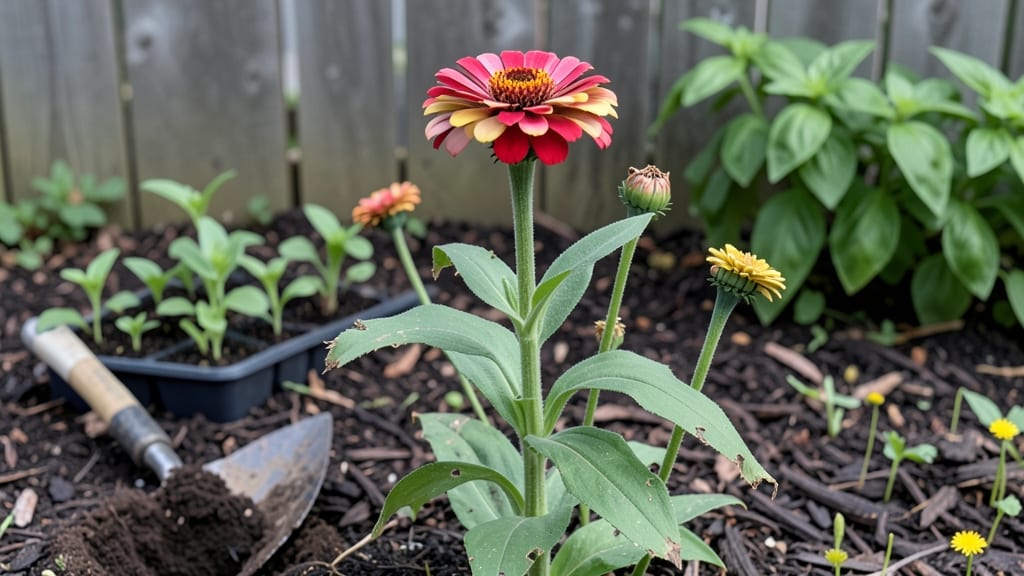
Here are zinnia planting tips that’ll turn any sunny corner into a riot of color—just drop seeds in well-drained soil, and watch them explode into blooms by midsummer. ✨ I’ve grown them for years, and the secret isn’t fancy. prep: it’s knowing when to plant, how deep to bury those tiny seeds, and when to give them a drink.
Most people overwater or crowd them, which is why their zinnias flop. But with a few simple tweaks, you’ll have stems so sturdy they’ll stand up to summer storms.
Start with a spot that gets at least 6-8 hours of sun daily—zinnias won’t tolerate shade—and loosen the soil just 6 inches deep. Plant seeds ¼ inch below the surface, spacing them 12-18 inches apart (they spread!).
Water gently after planting, then let the soil dry between waterings—overwatering is the #1 killer. For extra vigor, add a balanced fertilizer when they’re 3-4 inches tall, but skip it if your soil’s already rich. Deadheading spent blooms keeps flowers coming all season long.
📚 In This Guide
- What you need
- Instructions
- Tips and common mistakes
- Wrapping up and next steps
What you need
- ● Zinnia seeds: Choose from varieties like Benary’s Giant, Profusion, or Crystal (1 packet = ~100 seeds). Opt for heirloom or hybrid based on your preferences!
- ● Well-draining potting mix or garden soil: A 50/50 blend of compost and topsoil works wonders for containers or in-ground planting (5-gallon bag minimum).
- ● Containers or garden bed: For containers: 5- to 12-inch pots with drainage holes (1-2 plants per 6-inch pot).
- ● For garden beds: A sunny spot with at least 6 hours of direct sunlight daily.
- ● Watering can or hose with a gentle spray nozzle: Zinnias hate soggy roots—aim for 1 inch of water per week (adjust for rain).
- ○ Fertilizer (optional but helpful): A balanced, water-soluble fertilizer (10-10-10 or 5-5-5) for transplanting.
- ● Slow-release granules (like Osmocote) for long-term feeding.
- ● Gloves and knee pads: Because gardening is way more fun when your hands stay clean and dry!
- ● Seed-starting kit: If sowing indoors 6-8 weeks before the last frost (includes trays, heat mat, and grow lights).
- ● Plant markers: Label varieties to track which zinnias steal the show!
- ● Mulch: Straw or shredded leaves to retain moisture and suppress weeds.
- ● Stakes or tomato cages: Tall varieties (like Benary’s Giant) may need support as they grow.
- ● Pruning shears: For deadheading spent blooms and encouraging more flowers.
Step-by-Step zinnia planting for stunning, low-maintenance blooms
Here’s how to grow zinnias that burst with color and thrive with minimal effort.
🌱 Step 1: Choose the Perfect Planting Spot
Zinnias adore full sun—aim for a spot with 6-8 hours of direct sunlight daily. I always test my garden spots first by placing a white board where I plan to plant; if it’s too shady, zinnias will stretch and flop. A south-facing bed or raised container works best. If your space is limited, even a sunny windowsill with a grow light for 12 hours a day will keep them happy.
Check your soil’s drainage by digging a small hole and filling it with water. If it drains within 30 minutes, your spot is ideal. If water pools, amend the soil with 1-2 inches of compost to improve airflow. Zinnias hate soggy roots, so good drainage is non-negotiable.
🌱 Step 2: Prepare the Soil for Healthy Roots
Loosen the soil to a depth of 12 inches with a garden fork or tiller to break up compaction. Work in 2-3 inches of compost or aged manure to enrich the soil—zinnias are heavy feeders and reward you with bigger blooms when the soil is nutrient-rich. Avoid fresh manure, which can burn tender roots.
For containers, mix 2 parts potting soil with 1 part perlite or vermiculite to keep roots aerated. Zinnias in pots dry out faster, so choose containers with drainage holes and fill them to 1 inch below the rim to prevent overflow. Tap the soil gently to settle it, then water until moisture reaches 4 inches deep.
☀️ Step 3: Plant Seeds at the Right Depth and Spacing
Sow seeds ¼ inch deep—any deeper and they’ll struggle to surface. Space them 6-12 inches apart, depending on the variety (dwarf zinnias can go closer, while tall varieties need more room). I like to plant in small groups of 3-5 seeds, then thin to the strongest sprout once they’re 2 inches tall.
Water gently after planting to settle the soil, but avoid soaking the seeds. Keep the soil consistently moist (not soggy) until germination, which usually takes 7-14 days. If you’re planting in late spring or summer, a light mulch of 1 inch of straw helps retain moisture and keeps soil temperatures steady.
💧 Step 4: Water and Fertilize for Continuous Blooms
Zinnias are drought-tolerant once established, but young plants need 1 inch of water per week. Water at the base in the morning to prevent fungal diseases—wet leaves in evening humidity invite mildew. I always check moisture by sticking my finger 1 inch into the soil; if it feels dry, it’s time to water.
Feed zinnias with a balanced liquid fertilizer (10-10-10) every 4-6 weeks to encourage lush growth. Deadhead spent blooms by pinching them off just above the next set of leaves—this redirects energy to new flowers and keeps your zinnias blooming all season. I do this every 2-3 days during peak bloom time.
✂️ Step 5: Prune and Support for Long-Lasting Beauty
Tall zinnias (like ‘Benary’s Giant’) may need staking or cages to prevent flopping in wind or rain. Install supports early—once stems are woody, they’re harder to train. For bushier growth, pinch back the tips of young plants when they’re 6 inches tall. This encourages branching and more flowers.
Watch for aphids or spider mites, which love zinnias. A strong spray of water usually knocks them off, but severe infestations need neem oil. Harvest flowers in the morning when buds are fully open for the longest vase life. With these steps, your zinnias will reward you with bold, vibrant blooms from early summer until frost.
Tips & tricks for perfect zinnia planting
Here's what I've learned after growing zinnias for years—these tricks make all the difference between pretty flowers and showstopping blooms.
Sunlight Secret: That 6-8 hours of sunlight in Step 1 is non-negotiable, but here's the thing: zinnias actually thrive with a little extra sun if you can provide it. If your spot gets afternoon shade, move your plants to a sunnier location once they're established—they'll reward you with bigger, brighter blooms. In containers, rotate them every few days to ensure even sun exposure all around.
Soil Prep Pro Tip: When loosening soil to 12 inches deep in Step 2, don't just stop there. Add a handful of coarse sand to the bottom of your planting hole if your soil is particularly dense—this creates instant drainage channels that zinnias will love. For containers, I swear by mixing in a bit of worm castings along with the perlite; it gives that extra nutrient boost without the risk of burning roots.
Germination Game-Changer: The 7-14 day germination window in Step 3 can feel like forever, but you can cut that time by half. After planting those seeds ¼ inch deep, cover the area with clear plastic wrap or a humidity dome. This creates a mini greenhouse effect that keeps moisture and warmth locked in—just remove it once you see sprouts. I've seen germination happen in just 4-5 days with this trick!
Watering Wisdom: That 1 inch of water per week in Step 4 is perfect, but timing matters just as much. Instead of watering every single day, I water deeply every 5-7 days. The key is to water at the base in the morning—this gives roots time to absorb moisture before the heat of the day, and prevents fungal issues from evening humidity. For containers, I use a moisture meter to check when it's truly time to water.
Pro Tips for Zinnia Planting Tips
- Here's what I've learned after growing zinnias for years—these tricks make all the difference between pretty flowers and showstopping blooms.
- Sunlight Secret: That 6-8 hours of sunlight in Step 1 is non-negotiable, but here's the thing: zinnias actually thrive with a little extra sun if you can provide it.
- Soil Prep Pro Tip: When loosening soil to 12 inches deep in Step 2, don't just stop there.
Frequently asked questions
Got questions about growing zinnias? You’re not alone! Here are answers to the most common queries to help you cultivate a vibrant flower bed with confidence.
When is the best time to plant zinnias?
Zinnias thrive when planted after the last frost in spring, typically 4-6 weeks before your area’s first expected frost date. For a longer bloom season, you can even plant a second batch in early summer! Just ensure soil temps are above 50°F (10°C)—they’re sensitive to cold.
How often should I water zinnias?
Water zinnias deeply 1-2 times per week (or more in extreme heat). Aim for 1 inch of water per week, focusing on the base to avoid wetting foliage—this prevents fungal diseases. Mulch around plants to retain moisture and keep roots cool. Morning watering is ideal to reduce evaporation.
Why aren’t my zinnias blooming? What’s wrong?
Lack of blooms often stems from over-fertilizing (too much nitrogen = leafy growth, not flowers) or deadheading delays. Try this: Pinch back leggy stems early, fertilize lightly with low-nitrogen, high-phosphorus formula, and snip spent blooms regularly. Poor sunlight (they need 6+ hours daily) or crowded roots can also stunt flowering.
Can I grow zinnias in containers? What’s the best setup?
Choose containers at least 12 inches deep with drainage holes. Use a well-draining potting mix and plant 3-5 zinnias per container (dwarf varieties work best). Place pots in full sun and water consistently. Pro tip: Elevate containers slightly to improve airflow and prevent root rot.
What pests or diseases should I watch for with zinnias?
Common culprits include aphids, spider mites, and whiteflies (spray off with water or use neem oil). For diseases, powdery mildew (white dust on leaves) thrives in humidity—improve airflow and avoid overhead watering. Rust (orange spots) can also appear; remove infected leaves and rotate crops next season. Prevention is key: healthy plants resist pests better!
Wrapping up and next steps
Planting zinnias is a rewarding way to add vibrant color and life to your garden with minimal effort! 🌸 From choosing the right variety to mastering soil prep and deadheading, these cheerful blooms thrive when given a little love and sunshine.
With the right zinnia planting tips, you’ll enjoy a season of bold, eye-catching flowers that brighten any space.
Now that you’re armed with the know-how, grab your gloves and get growing! Start by picking your favorite zinnias and follow the steps above—soon, your garden will be bursting with color. Happy planting! 🌱