
Planting
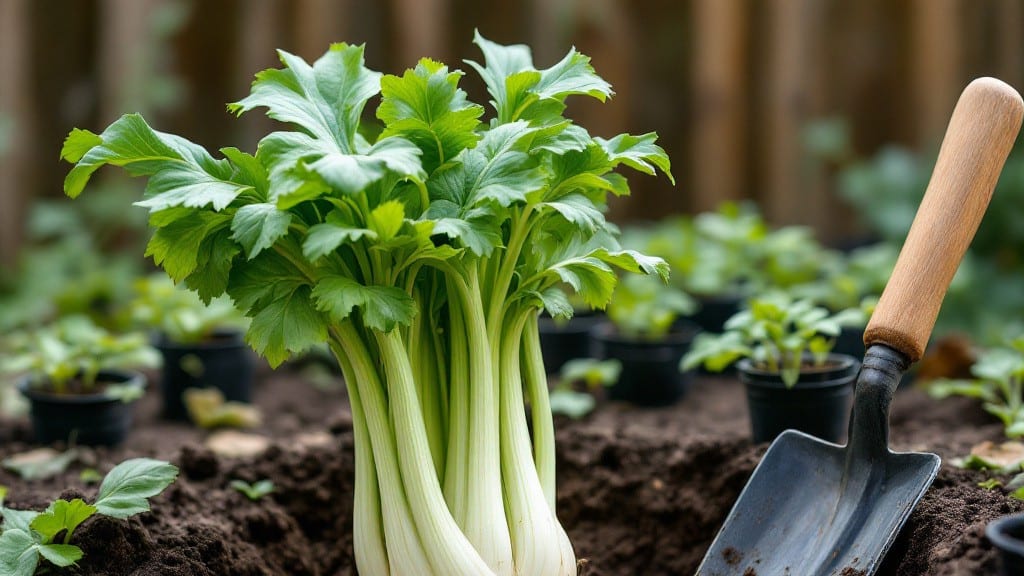
Here are some essential celery planting tips to ensure your garden yields crisp, homegrown stalks that outperform store-bought in flavor and texture—all year round.
I’ve grown celery in both in-ground beds and containers, and the key to success isn’t just patience (it takes 120-150 days to mature) but spacing: crowd plants, and you’ll end up with spindly, bitter stalks instead of the thick, juicy ones you crave.
Start seeds indoors 8-10 weeks before your last frost, or buy sturdy transplants from a nursery. Celery thrives in cool weather (60-75°F) and needs full sun (6+ hours daily)—but here’s the trick: it hates dry soil.
Keep the roots consistently moist, and mulch heavily to retain moisture. In-ground beds need 12-18 inches between plants, while containers should have at least 6 inches of space per plant to avoid competition.
📚 In This Guide
- What you need
- Instructions
- Tips and common mistakes
- Wrapping up and next steps
What you need
- ○ Celery Seeds or Seedlings: Seeds: 1–2 grams (enough for ~50–100 plants, depending on spacing). Seedlings (optional): 10–20 healthy plants (transplants save time!).
- ● Growing Containers or Garden Bed: Containers: 12–18" deep pots (minimum 12" diameter per plant). Garden bed: Well-draining soil, 12–18" deep, with full sun (6+ hours/day).
- ● High-Quality Soil: Potting mix (sterile, well-draining) or garden soil amended with: 2–3 inches of compost or aged manure. 1 cup perlite or vermiculite per cubic foot (for drainage).
- ● Fertilizer: Balanced fertilizer (10-10-10) or organic options like fish emulsion or worm castings. Slow-release granules (follow package rates).
- ○ Watering Supplies: Watering can with a fine rose (for seedlings) or drip irrigation system. Moisture meter (optional but helpful for container growers).
- ● Mulch: Straw, shredded leaves, or grass clippings (1–2 inches thick to retain moisture).
- ● Hand trowel or small transplant spade (for digging). Garden gloves (to protect your hands from soil and sharp stems). Pruning shears (for harvesting and trimming). Measuring tape or ruler (to ensure proper spacing—celery loves room to stretch!). Plant labels (to track varieties and planting dates). 🌡️ Prerequisites for Success Climate & Timing: Start seeds indoors 10–12 weeks before the last frost or transplant seedlings after soil reaches 50°F (10°C). Celery thrives in cool weather (60–75°F / 15–24°C); avoid planting in hot summers.
- ● Sunlight: Full sun (6+ hours daily) for best growth.
- ● Water Consistency: Celery demands consistent moisture—never let soil dry out!
- ● pH Level: Ideal soil pH: 6.0–7.0 (test kit recommended if your soil is unknown).
Step-by-Step instructions for planting celery with optimal spacing
Here's how to establish a thriving celery patch using precise spacing and soil conditions.
Prepare the Soil for Maximum Moisture Retention
Celery demands consistently moist, fertile soil with excellent drainage. Before planting, work in 2-3 inches of compost into the top 12 inches of soil to improve structure and water retention. I like to add a handful of pelletized humus per planting hole to boost organic matter—this ensures the soil stays evenly damp without becoming waterlogged.
Celery roots are shallow but extensive, so avoid compacting the soil during preparation. Instead, use a broadfork to loosen the earth gently. Aim for a soil pH between 6.0 and 6.8—test your soil if you're unsure, as celery struggles in acidic conditions. If your soil is heavy clay, mix in 1 part sand to 3 parts soil to improve aeration and prevent root rot.
Start Seeds Indoors for a Head Start
Celery seeds germinate slowly and thrive in warmth, so I begin them indoors 10-12 weeks before the last frost. Use biodegradable peat pots filled with seed-starting mix to avoid disturbing roots later. Plant 2-3 seeds per pot at a depth of ¼ inch, then cover lightly with additional mix. Keep the soil consistently moist at 70-75°F—a seedling heat mat speeds germination, which typically occurs in 2-3 weeks.
Once seedlings develop 2-3 true leaves, thin to the strongest plant per pot. Celery seedlings are delicate, so handle them carefully to avoid stem damage. Place pots under grow lights for 14-16 hours daily to prevent leggy growth. If seedlings stretch toward the light, they’re not receiving enough intensity—adjust the light within 2-4 inches of the plants.
Harden Off and Transplant With Precision Spacing
Two weeks before transplanting, begin hardening off seedlings by placing them outdoors in partial shade for 1-2 hours daily, gradually increasing exposure. Celery dislikes temperature fluctuations, so avoid transplanting when nighttime temps drop below 50°F. Choose a site with partial shade—celery tolerates 4-6 hours of morning sun but wilts in intense afternoon heat.
Space transplants 12-18 inches apart in rows 18-24 inches apart to allow for full head development. Dig holes slightly deeper than the root ball and firm soil around the stems to eliminate air pockets. Water deeply immediately after transplanting to settle the soil and reduce transplant shock. Mulch with 2 inches of straw to retain moisture and suppress weeds—celery’s shallow roots appreciate consistent soil moisture.
Maintain Consistent Moisture and Fertility
Celery requires 1-1.5 inches of water weekly, delivered evenly to prevent bolting. I water deeply 2-3 times per week, aiming for soil that stays moist but not soggy. Use a soaker hose or drip irrigation to keep foliage dry, as wet leaves promote fungal diseases like early blight. Monitor soil moisture by sticking your finger 1 inch deep—if it feels dry, it’s time to water.
Fertilize lightly every 3-4 weeks with a balanced organic fertilizer (10-10-10 ratio). Too much nitrogen encourages leafy growth at the expense of the crisp stalk. Instead, focus on potassium-rich amendments to strengthen stems. If you notice yellowing between leaf veins, your celery needs more iron—apply a chelated iron supplement to correct deficiency.
Harvest and Extend the Season
Celery takes 100-130 days to mature, but you can begin harvesting outer stalks when they reach 8-10 inches tall for baby celery. For full heads, cut the entire plant at the base when the center stalks are 1 inch thick. Avoid pulling plants, as this damages the root system and reduces future regrowth.
To extend the season, succession plant every 2-3 weeks from early spring to mid-summer. In warm climates, use shade cloth to protect plants from temperatures above 85°F, which causes bolting. For winter harvests, grow celery in containers and move them to a cool greenhouse or under grow lights when nights drop below 40°F. With proper spacing and care, you’ll enjoy fresh celery year-round.**
Tips & tricks for perfect celery planting
Mastering celery cultivation starts with understanding its unique needs—these insights will help you avoid common pitfalls and maximize your harvest.
Soil Preparation Wisdom: When amending your soil in Step 1, consider adding a thin layer of coarse sand mixed with the compost to improve drainage further. Celery's shallow roots need both moisture retention and aeration—this blend prevents waterlogging while maintaining that critical dampness. I've found that adding a handful of perlite to the mix creates pockets that help roots expand without competing for space.
Seed Starting Strategy: In Step 2, the 14-16 hours of daily grow light is non-negotiable for preventing leggy seedlings. I use a timer to automate the light cycle—this consistency is crucial because celery seedlings respond dramatically to light deprivation. Place your seed trays on a reflective surface like aluminum foil to maximize light reflection, which effectively doubles the light intensity without additional equipment.
Transplanting Precision: The 12-18 inch spacing in Step 3 might seem generous, but it's essential for head development. I mark planting locations with wooden stakes before digging to ensure perfect spacing—this prevents overcrowding that leads to small, tough stalks. After transplanting, I create small mounds around each plant to elevate the roots slightly, which improves drainage during heavy watering.
Season Extension Tactics: For winter harvests mentioned in Step 5, I recommend using black plastic mulch under containers rather than just moving to a greenhouse. This creates a microclimate that maintains soil temperatures above 40°F even during cold snaps. The mulch also suppresses weeds that compete with celery's shallow root system, giving your plants an extra advantage in low-light conditions.
Pro Tips for Celery Planting Tips
- Mastering celery cultivation starts with understanding its unique needs—these insights will help you avoid common pitfalls and maximize your harvest.
- Soil Preparation Wisdom: When amending your soil in Step 1, consider adding a thin layer of coarse sand mixed with the compost to improve drainage further.
- Seed Starting Strategy: In Step 2, the 14-16 hours of daily grow light is non-negotiable for preventing leggy seedlings.
Frequently asked questions
Got questions about growing celery? You’re not alone! Here are some of the most common concerns—plus quick, actionable answers to help you cultivate crisp, homegrown celery like a pro.
When is the best time to plant celery?
Celery thrives in cool weather—aim to plant seeds 8–10 weeks before your first frost (early spring or late summer for fall harvests). In warmer climates, plant in late summer to avoid bolting (premature flowering). Start seeds indoors 10–12 weeks before transplanting for a head start!
How far apart should I space celery plants?
Give each plant 6–12 inches of space in rows spaced 12–18 inches apart. Tight spacing leads to poor air circulation (hello, mold!) and stunted growth. For container gardening, use one plant per 12-inch pot with well-draining soil.
Why is my celery turning bitter or tough?
Bitter or woody celery often means over-maturity or stress. Harvest stalks when 6–12 inches tall for tender crunch. To prevent toughness, keep soil consistently moist (celery loves humidity!) and mulch heavily to retain moisture. Avoid planting in hot, dry conditions—celery hates heat!
Can I grow celery from store-bought stalks?
Yes, but it’s hit-or-miss! Try this: Trim the base of a fresh stalk, place it in 1 inch of water, and wait for roots to sprout (2–4 weeks). Once roots appear, transplant to soil. Note: Seed-grown celery is more reliable for full-size harvests.
What pests should I watch for when growing celery?
Keep an eye out for aphids, slugs, and celery leaf tier moths. Aphids? Blast them off with water or use neem oil. Slugs? Set out beer traps or diatomaceous earth. For moths, row covers or handpick eggs early. Rotate crops yearly to break pest cycles!
Can celery survive winter planting?
In USDA Zones 7–10, celery can overwinter with heavy mulch (straw or leaves) and frost cloth. In colder zones, grow it as an annual and harvest before hard frosts. Pro tip: Choose cold-hardy varieties like ‘Tall Utah’ or ‘Prinz’ for better resilience.
Wrapping up and next steps
Planting celery successfully is all about patience, proper spacing, and a little TLC—but the rewards are worth it! With the right soil, sunlight, and timing, you’ll enjoy a bountiful harvest of crisp, flavorful stalks year-round.
Whether you’re a beginner or a seasoned gardener, these tips will set you up for success.
Now that you’re armed with the know-how, roll up your sleeves and get planting! Start small—even a single patch can yield delicious results. Happy growing, and may your garden be as vibrant as your future celery dishes! 🌱✨