
Flowers
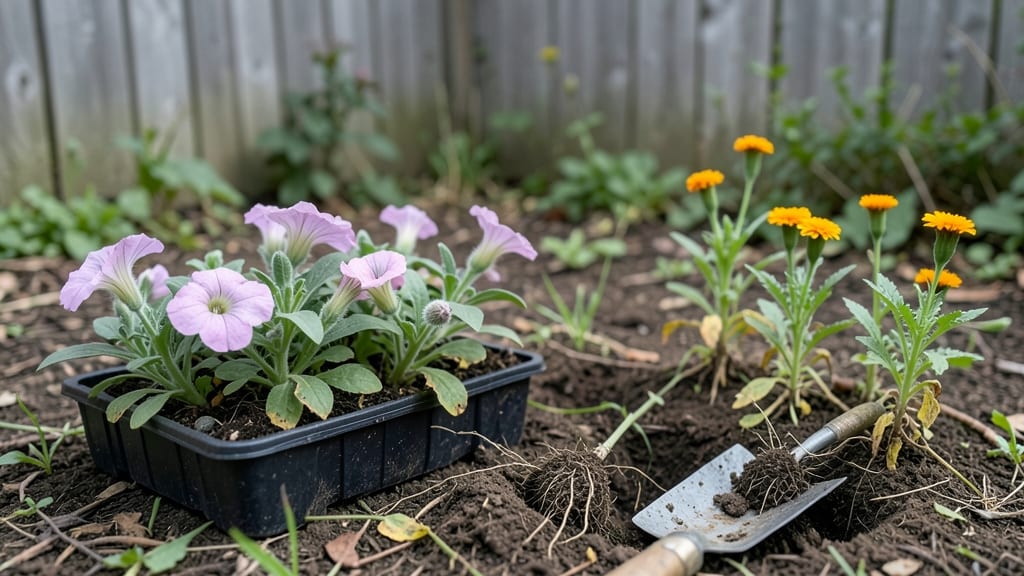
Planting flowers in Philadelphia at the right time means the difference between a garden bursting with 🌸 color and one that struggles to take root.
Timing your flower planting in Philadelphia’s unpredictable climate can mean the difference between vibrant blooms and wilted disappointment—here’s your precise guide to planting for maximum beauty.
With Zone 7a conditions and last frost dates hovering around April 15, the window for planting is narrow but critical. Get it wrong, and you risk losing tender seedlings to late frosts or watching your garden fade before summer arrives.
Below, I’ll walk you through the exact months to plant for spring and fall blooms, how to adjust for Philadelphia’s microclimates, and the top 5 flowers that thrive when timed just right.
Best flower planting times in Philadelphia by season (zone 6B specific)
Philadelphia’s Zone 6B climate means last frost dates typically arrive around April 15, while the first frost hits November 15. These dates create a 165-day growing season—perfect for timing your flower plantings to avoid frost damage and maximize blooms.
Since Philadelphia’s urban heat islands can create microclimates, I’ll focus on general guidelines while offering adjustments for your specific conditions.
Spring planting is your primary window for most flowers, but fall planting works for hardy perennials and bulbs. Summer is generally for container plantings or replacing spent annuals. Let’s break down the best times for annuals, perennials, and bulbs to ensure your garden thrives.
Key rule: Always check your soil temperature—most flowers need 60°F soil to thrive. Use a soil thermometer or wait until after April 15 for safety. For bulbs, fall planting is critical to establish roots before winter dormancy.
| Season | Plant Type | Best Planting Months | Notes |
|---|---|---|---|
| Spring | Annuals (e.g., Marigolds, Petunias) | April 15 - May 31 | Wait until after last frost; use row covers if early planting. |
| Spring | Perennials (e.g., Coneflowers, Black-Eyed Susans) | March 15 - April 30 | Divide overcrowded clumps in early spring; fertilize lightly. |
| Spring | Bulbs (e.g., Tulips, Daffodils) | March 1 - April 15 | Plant 6-8 weeks before first frost for fall blooms. |
| Summer | Annuals (e.g., Zinnias, Sunflowers) | June 15 - July 15 | Use container gardens for heat-loving varieties. |
| Fall | Perennials (e.g., Peonies, Daylilies) | September 15 - October 15 | Plant 6 weeks before first frost for root establishment. |
| Fall | Bulbs (e.g., Crocus, Hyacinths) | September 1 - October 15 | Aim for 6-8 weeks before ground freezes. |
| Year-Round | Container Flowers (e.g., Geraniums, Impatiens) | April - October | Replace every 2-3 weeks for continuous blooms. |
Philadelphia’s soil conditions can vary—urban areas often have compacted soil, while suburban gardens may have sandy loam. Before planting, amend your soil with 2-3 inches of compost to improve drainage and nutrient retention. For containers, use a well-draining potting mix with perlite or vermiculite.
For annual flowers, spring planting in April or May ensures they bloom through summer and into early fall. Start seeds indoors 6-8 weeks before the last frost if you’re growing from seed. Hardy annuals like cosmos and zinnias can even handle direct sowing in May without transplant shock.
Perennials are low-maintenance once established, but timing matters. Plant them in early spring (March-April) or early fall (September-October) to give roots time to settle. Divide overcrowded perennials in spring to rejuvenate growth—just avoid disturbing them during blooming season.
Bulbs are a gardener’s secret weapon for early spring color. Plant fall-blooming bulbs (tulips, daffodils) in March
How to adjust planting dates for Philadelphia’s microclimates
Philadelphia’s urban heat islands and wind patterns create distinct microclimates that can shift planting windows by 2-4 weeks. If you’ve ever planted too early in a windy downtown spot or too late in a sun-baked rooftop garden, you know timing matters.
The key is adjusting your schedule based on your specific zone—whether you’re in Center City’s concrete jungle or a suburban backyard with cooler breezes.
Start by checking your last frost date—Philadelphia’s average is April 15, but urban areas can warm up 5-7 days earlier.
For example, rooftop gardens in Old City might be ready for heat-loving marigolds by early April, while West Philly’s tree-lined streets may still have chilly pockets until mid-April. Use Penn State Extension’s frost calculator to pinpoint your exact zone’s trends over the past 10 years.
Here’s how to fine-tune your planting schedule for Philadelphia’s most common microclimates:
- Urban Heat Islands (Center City, Rittenhouse): Plant heat-loving flowers like zinnias and lantana 2 weeks earlier (late March). Soil warms 3-5°F faster than suburban areas.
- Windy Areas (Riverfront, Schuylkill Banks): Wait until mid-April for delicate annuals like petunias. Wind can double evaporation rates—mulch heavily to retain moisture.
- Suburban Backyards (Fishtown, Mt. Airy): Follow the average April 15 rule but monitor soil temperature—wait until it hits 60°F at 6-inch depth.
- Rooftop Gardens (all areas): Delay planting by 1-2 weeks—rooftops can be 10°F warmer than ground level. Use heat-resistant varieties like geraniums.
- Shaded Microclimates (tree-lined streets): Extend the fall planting window to mid-October for perennials like hostas. Cooler soil stays workable longer.
For annual flowers, like cosmos or sunflowers, you can also use successive planting—start with heat-tolerant varieties in early April, then add cool-season blooms like pansies in late September. This stretches your bloom season by 8-10 weeks and maximizes color in your garden.
Pro tip: Use weather trends from the National Weather Service’s Philadelphia office. Check their 14-day forecasts in early April to see if a cold snap is predicted—this might delay planting by a week.
I once adjusted my petunia schedule by 10 days after seeing a forecast for 30°F nights in early May. My plants thrived because I avoided the late-spring frost risk.
Finally, don’t forget to test your soil’s warmth with a soil thermometer. If it’s below 55°F, even hardy flowers like calendulas will struggle. For bulbs, like tulips, plant in November—earlier in windy areas to prevent erosion before winter sets in.
With these adjustments, you’ll turn Philadelphia’s microclimate quirks into advantages—your garden will be the first to bloom and the last to fade! 🌸