
Trees
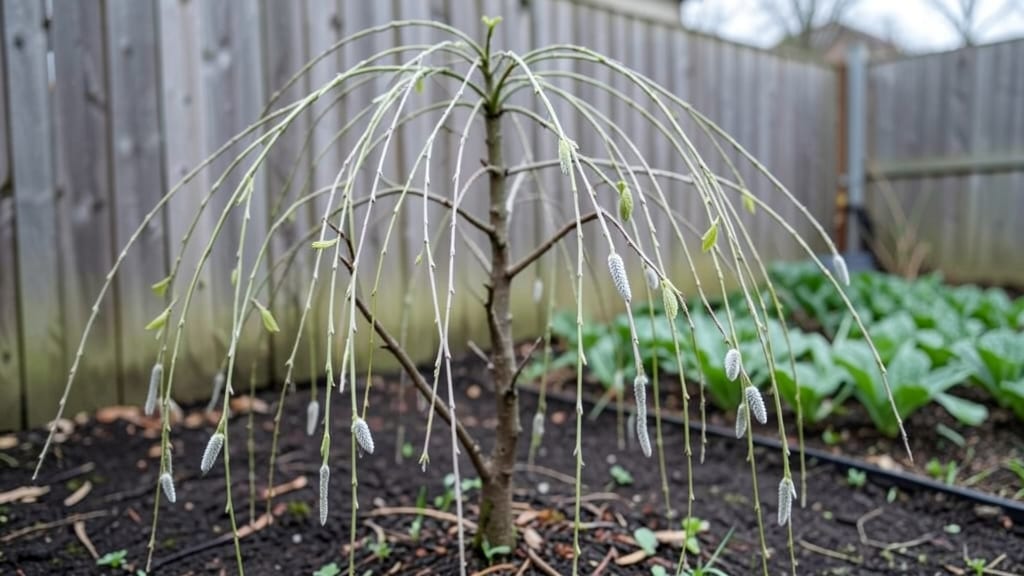
That first cloud of golden catkins in early spring—nothing beats the sight of a weeping pussy willow. 🌿 I planted mine along a small pond, and within weeks, it became the star of the garden, its graceful branches dripping with fuzzy blooms that last for months.
The secret to growing one that thrives isn't complicated, but it does require understanding its love for moisture, patience, and just the right spot.
You'll need a location with full sun to partial shade and soil that stays consistently damp—think of it as the perfect companion for water gardens or low-lying areas where other plants struggle.
A 5-gallon container works for small spaces, but for full landscape impact, plant it directly in the ground where roots can spread freely. The key is avoiding soggy soil, which can rot those delicate roots, while ensuring it never dries out completely.
By late summer, your willow will reward you with arching branches heavy with silvery-green leaves, and in spring, those iconic catkins will return, longer and fuller than ever. Prune lightly after blooming to shape it, and watch as it becomes the centerpiece of borders, ponds, or even urban courtyards.
The best part? It's disease-resistant once established, so maintenance stays simple.
For those chilly winters, a thick layer of mulch protects the roots, and in spring, you can propagate new plants from cuttings taken before the buds swell.
Whether you're adding drama to a small yard or filling a large landscape gap, this willow delivers year-round interest with minimal fuss. Ready to grow yours?
📚 In This Guide
- What you need
- Instructions
- Tips and common mistakes
- Wrapping up and next steps
What you need
- ● Weeping pussy willow plant: Option 1: Bare-root cuttings (3–5 inches long, fresh or dormant-season)
- ● Option 2: Potted seedling (1–2 years old, 12–18 inches tall)
- ● Option 3: Seeds (if starting from scratch—soak overnight for best germination!)
- ● Planting site: Partially shaded area with moist, well-draining soil (pH 6.0–7.5)
- ● Tools: Trowel or shovel (for digging)
- ● Garden gloves (to protect your hands)
- ● Pruners (for trimming cuttings or shaping)
- ○ Soil amendments (optional but helpful): Compost or peat moss (to enrich soil)
- ● Perlite or sand (for drainage, if soil is heavy)
- ● Mulch (2–3 inches of wood chips or straw to retain moisture)
- ● Fertilizer (balanced 10-10-10 or slow-release granules)
- ● Plant stakes or supports (if your willow grows tall or leggy)
- ● Watering can or hose with a gentle spray nozzle (for delicate cuttings)
- ● Plant tags (to label varieties if experimenting with multiple types!)
Step-by-Step guide to planting and caring for weeping pussy willow
Here's how to grow these graceful beauties with fluffy catkins that bring early spring charm.
🌱 Step 1: Choose the Perfect Planting Location
Weeping pussy willows thrive near water, so select a spot with 6+ hours of sunlight daily and moist, well-draining soil. I always plant mine within 3 feet of a pond, stream, or rain garden—the roots love consistent moisture but hate soggy conditions. Avoid low spots where water pools after rain.
Their arching branches grow 10-15 feet wide, so space plants 15-20 feet apart for full, dramatic effect. If you're planting near a patio or walkway, position them where the branches can gracefully spill over edges without blocking views. The fluffiest catkins appear in early spring, so choose a location where you'll enjoy them from multiple angles.
🪴 Step 2: Prepare the Soil and Plant Correctly
Dig a hole twice as wide as the root ball but only as deep as the container's base. Loosen the soil at the bottom with a garden fork to encourage root spread. Weeping pussy willows prefer slightly acidic to neutral soil (pH 6.0-7.5), so amend heavy clay with 2 inches of compost mixed into the native soil.
Remove the plant from its container and gently tease the roots if they're circling. Place it in the hole so the top of the root ball sits 1 inch above ground level. This prevents rot while allowing the soil to settle naturally. Backfill with native soil, tamping lightly to remove air pockets. Water deeply to settle everything—you'll see the soil surface sink slightly as it compacts.
💧 Step 3: Water and Mulch for First-Year Establishment
Water immediately after planting, providing 1-2 gallons per plant to encourage root expansion. Keep the soil consistently moist (but not waterlogged) for the first 4-6 weeks, checking moisture by pushing a finger 2 inches deep. If it feels dry, water again. Overhead watering can spread disease, so use a soaker hose or water at the base.
Spread 2-3 inches of mulch around the base, keeping it 3 inches away from the trunk. I use shredded bark because it breaks down slowly while suppressing weeds. Replenish mulch annually in early spring—this helps maintain even moisture and protects roots during temperature swings. The first year is critical; proper watering here means years of effortless growth.
☀️ Step 4: Prune and Maintain for Long-Term Beauty
Prune in late winter or early spring before new growth begins. Remove 1/3 of the oldest, thickest branches at the base to encourage fresh, fluffy catkins. Cut just above a outward-facing bud to stimulate branching. I also trim any dead or crossing branches—this prevents disease and keeps the plant's graceful shape intact.
Fertilize in early spring with a balanced 10-10-10 formula, applying ½ cup per plant. Avoid high-nitrogen fertilizers, which promote leafy growth at the expense of those prized catkins. Water deeply after fertilizing to help nutrients reach the roots. Weeping pussy willows are low-maintenance once established, but this simple care keeps them looking their best for decades.
⏰ Step 5: Enjoy and Extend the Seasonal Display
The real magic happens in early spring when the catkins emerge. To prolong their fluffy display, plant near early bloomers like daffodils or hellebores—this creates a cascading effect of color and texture. If you notice the catkins browning too quickly, it's often due to dry air. A light misting in late afternoon can revive them for another week or two.
In fall, rake up any fallen leaves and debris around the base—this prevents fungal diseases from overwintering. The branches are stunning in winter too, so leave them intact unless they're damaged. With proper placement and care, your weeping pussy willows will become the showstopper of your landscape, year after year.
Tips & tricks for perfect weeping pussy willow planting
Between us, these graceful plants are easier to grow than you think—but a few key tricks will make all the difference in getting those show-stopping catkins every spring.
Location is Everything: That 6+ hours of sunlight requirement is non-negotiable, but here's what nobody tells you: the catkins are most dramatic when planted where you'll see them from multiple vantage points. Place them near seating areas or along pathways so you can enjoy their graceful arch from different angles. I always position mine so the branches spill over a garden bench—magical for morning coffee!
Soil Prep Secret: When amending heavy clay with 2 inches of compost in Step 2, mix in a handful of perlite or coarse sand too. This improves drainage while maintaining moisture—critical for those first 4-6 weeks when roots are establishing. I've seen plants struggle in pure clay even with compost because the water just sits there.
Watering Wisdom: The 1-2 gallons per plant after planting is just the beginning. For the first 4-6 weeks, I set up a simple drip irrigation system on a timer. This ensures consistent moisture without the risk of overhead watering spreading disease. If you don't have irrigation, water at the base early in the morning—this gives roots time to absorb moisture before the heat of day.
Pruning Payoff: That 1/3 of oldest branches you remove in Step 4? Don't just toss them! Bundle and store them in a cool, damp place until late winter when you can force them indoors for early spring catkins. The branches will sprout new growth in water, giving you a head start on that fluffy display. It's like getting a free preview of spring!
Pro Tips for Weeping Pussy Willow Plant
- Between us, these graceful plants are easier to grow than you think—but a few key tricks will make all the difference in getting those show-stopping catkins every spring.
- Location is Everything: That 6+ hours of sunlight requirement is non-negotiable, but here's what nobody tells you: the catkins are most dramatic when planted where you'll see them from multiple vantage points.
- Soil Prep Secret: When amending heavy clay with 2 inches of compost in Step 2, mix in a handful of perlite or coarse sand too.
Frequently asked questions
Got questions about growing and caring for your weeping pussy willow? You’re not alone! Here are some of the most common inquiries—plus expert answers to keep your fluffy friend thriving.
When do weeping pussy willows bloom?
These showstoppers usually bloom in early spring (February–April, depending on your climate). Look for fuzzy, golden-yellow catkins that dangle like tiny lamb’s tails. If yours isn’t blooming, check if it’s been planted in full sun to partial shade—they need bright light to trigger flowering!
Why is my weeping willow drooping or wilting?
Droopy leaves often mean underwatering or root stress. Water deeply 1–2 times per week (more in heatwaves) and ensure well-draining soil. If the soil feels soggy, improve drainage by amending with compost. Overpruning can also weaken the plant—stick to shaping after blooms fade.
Can I grow a weeping pussy willow in a container?
Yes! Choose a large pot (at least 12–18 inches wide) with drainage holes. Use a mix of potting soil and perlite for aeration. Repot every 2–3 years and move containers indoors during harsh winters (they’re hardy to USDA Zones 3–8 but need protection in freezing temps).
How fast do weeping pussy willows grow?
These fast growers can add 3–6 feet per year under ideal conditions (moist, fertile soil + full sun). In containers, growth slows slightly but still averages 2–4 feet annually. Prune in late winter to control size—just avoid cutting into old wood, which won’t regrow.
What’s a good alternative if I can’t grow a pussy willow?
Try these fluffy, low-maintenance alternatives:
- Pussy Willow Hybrid (Salix caprea ‘Pendula’) – Dwarf varieties like ‘Babylon’ stay compact.
- Russian Olive (Elaeagnus angustifolia) – Silvery foliage + fragrant blooms (drought-tolerant!).
- Dwarf Fountain Grass (Pennisetum ‘Little Bunny’) – Adds texture without the mess.
Wrapping up and next steps
The weeping pussy willow is a stunning addition to any garden, offering soft, fluffy catkins that bring early spring charm and year-round interest. Whether you’re a seasoned gardener or just starting out, its low-maintenance nature and adaptability make it a perfect choice for enhancing your outdoor space.
Ready to bring some whimsy to your landscape? Plant your weeping pussy willow today—your garden (and future visitors) will thank you! For extra inspiration, check out local nurseries or online plant communities to find the perfect variety and care tips tailored to your climate. 🌿✨